Tour de France Bike Price: How much does a pro bike really cost?
Every summer, the Tour de France peloton rides the French roads on gear that inspires dreams. Carbon fiber frames, ultra-light electronic groupsets, wheels built for aerodynamics… But how much does a Tour de France bike really cost? Between the listed retail price and the pros’ customized machines, reality often defies imagination.
What’s the average price of a Tour de France bike?
A bike used on the Grande Boucle is unlike any other. It’s the result of years of research, partnerships between teams and manufacturers, and extreme customization. In its version marketed to the general public, a Tour de France bike typically costs between €10,000 and €15,000. Some models, in their most advanced configuration, easily exceed €20,000.
These high-tech machines feature exceptional components. The Shimano Dura-Ace Di2 or SRAM Red AXS groupsets in their electronic versions alone are worth several thousand euros. Power meters, now essential for managing professional cyclists’ efforts, add more to the bill. As for carbon wheels, they can cost as much as an entry-level road bike.
For teams like UAE Team Emirates, the rides are often non-commercial prototypes, custom-built for riders like Tadej Pogacar or Jonas Vingegaard. In these cases, the price of a Tour de France bike can reach dizzying heights.
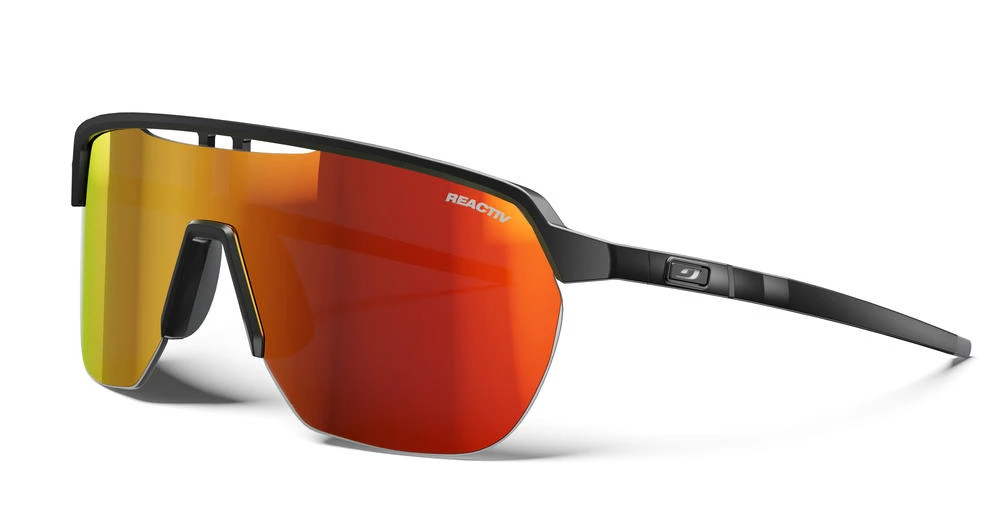
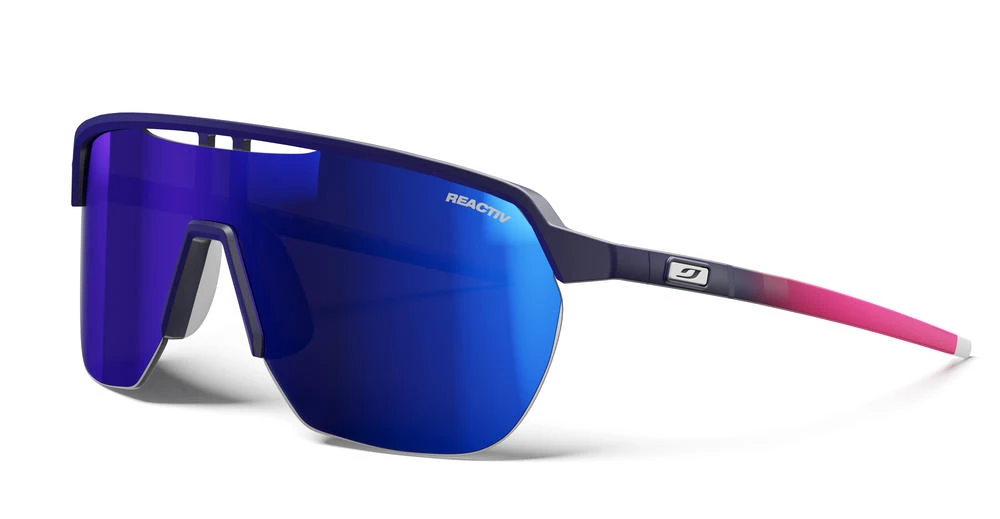
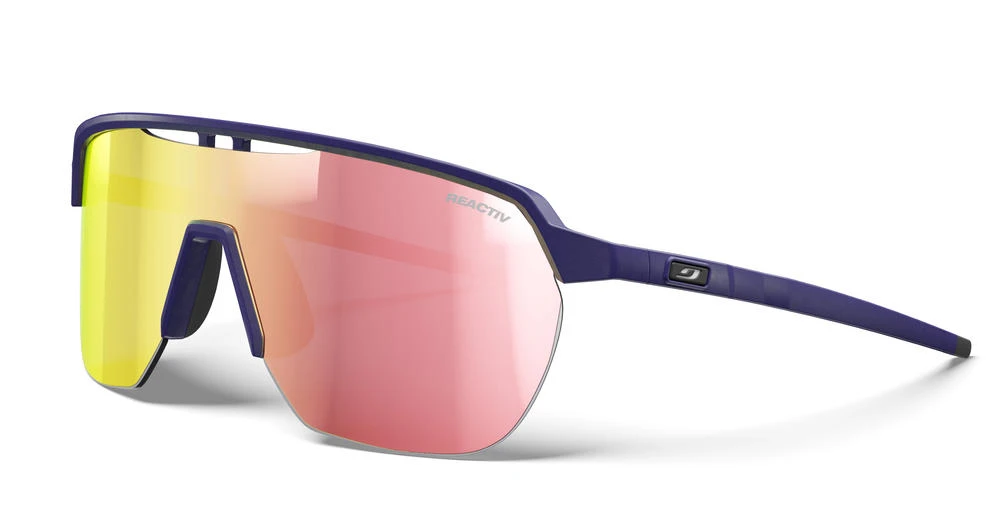
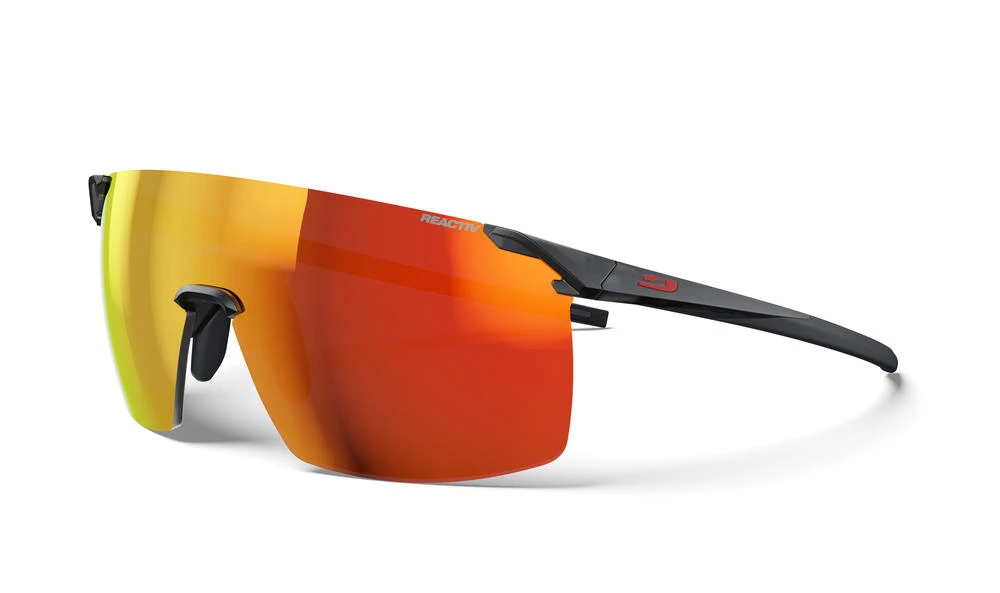
REACTIV 1-3 Light Amplifier
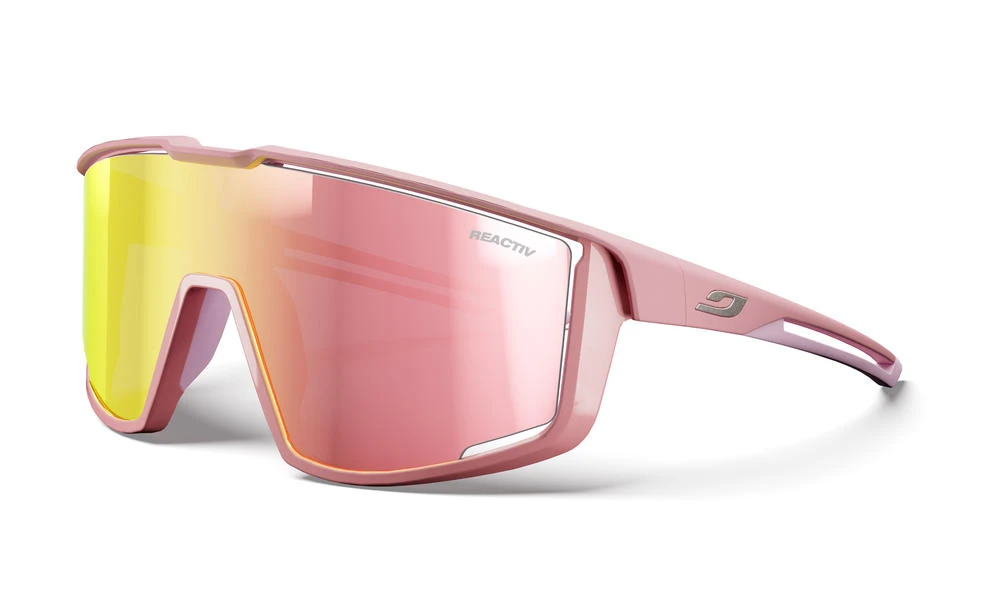
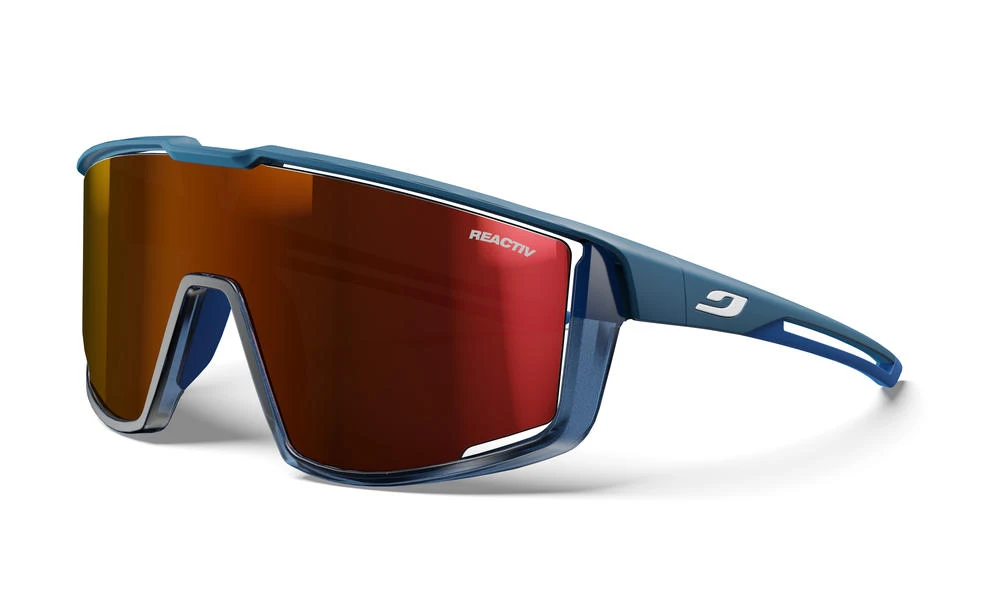
FREQUENCY REACTIV
Sunglasses for speed sports

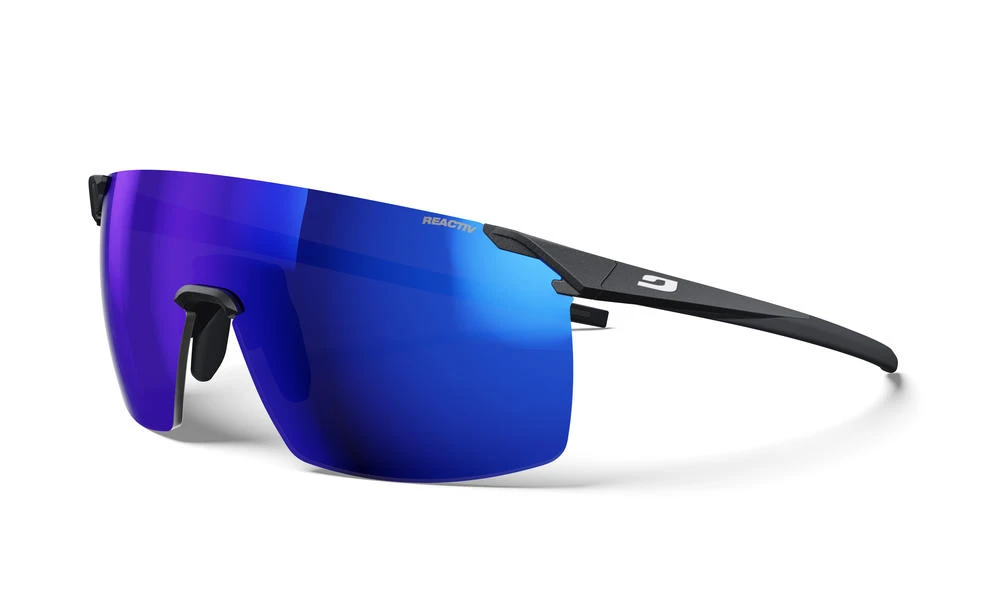
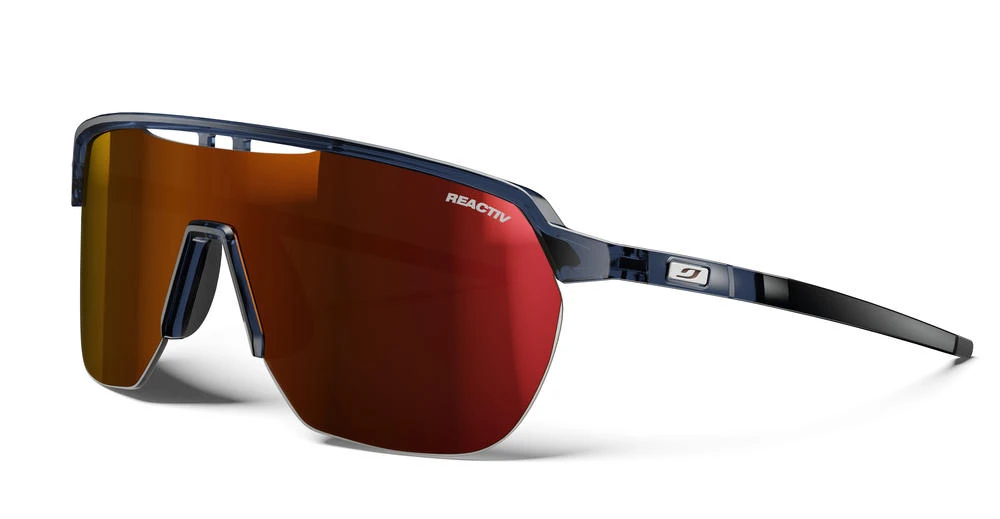
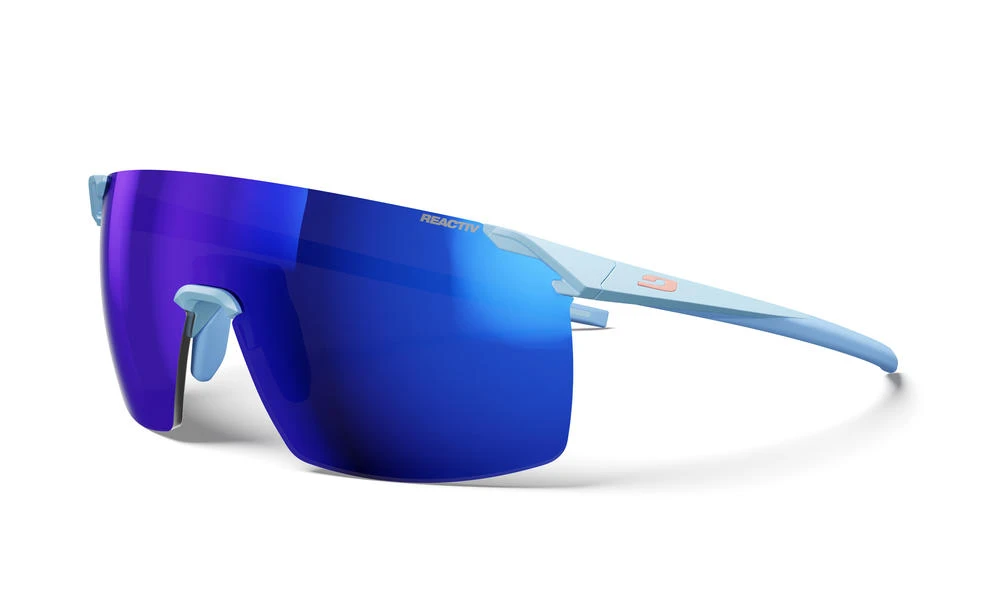
REACTIV 1-3 High Contrast
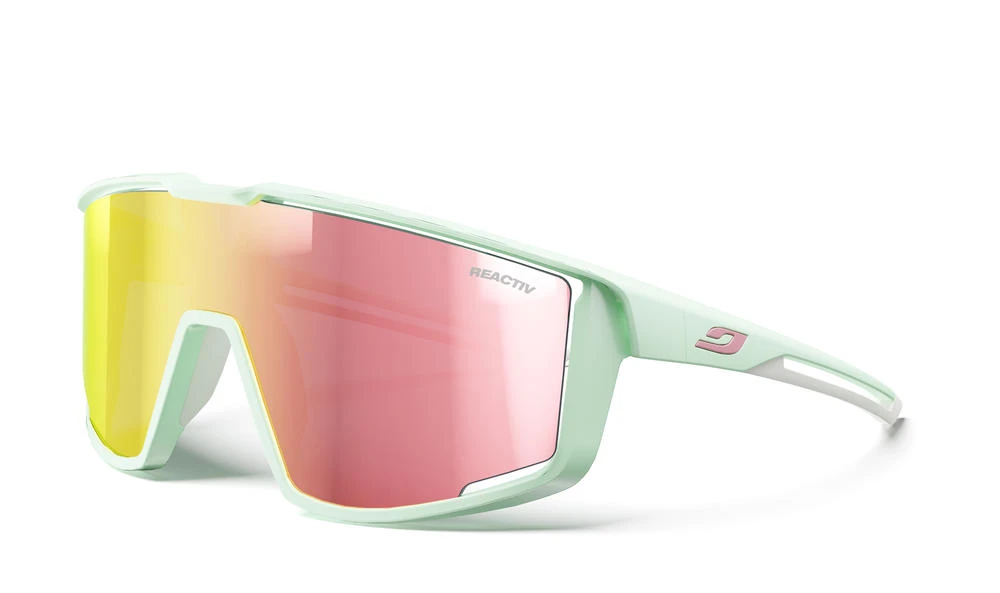
FASTER S REACTIV
Ultra-light, streamlined sunglasses designed for narrow faces seeking performance

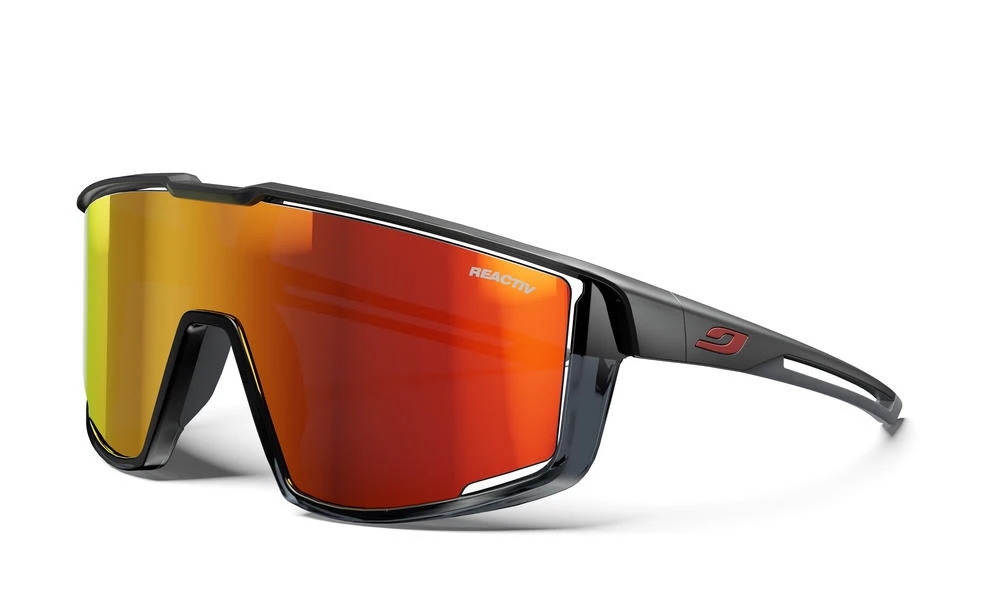
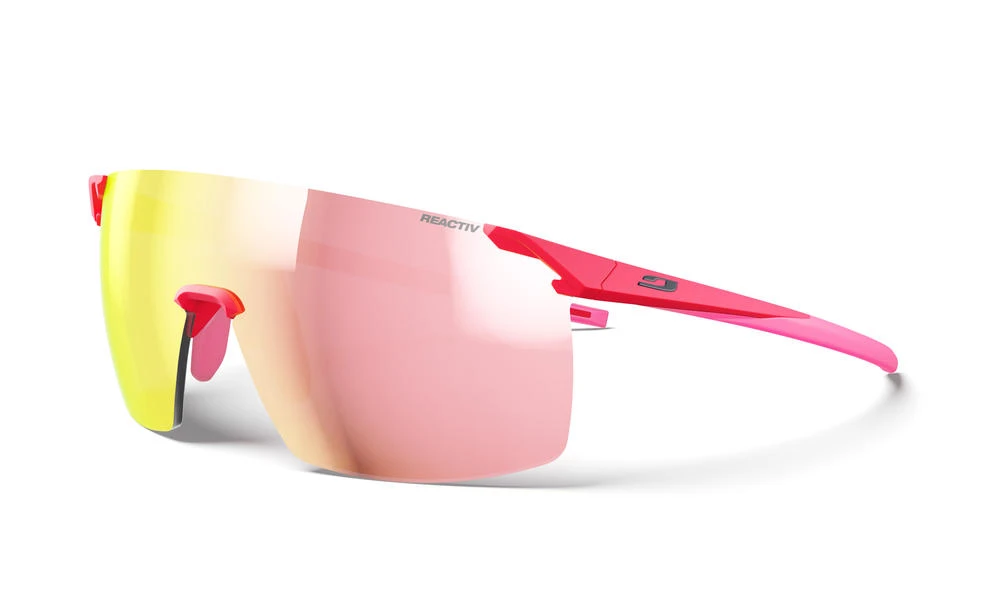
REACTIV 1-3 Light Amplifier
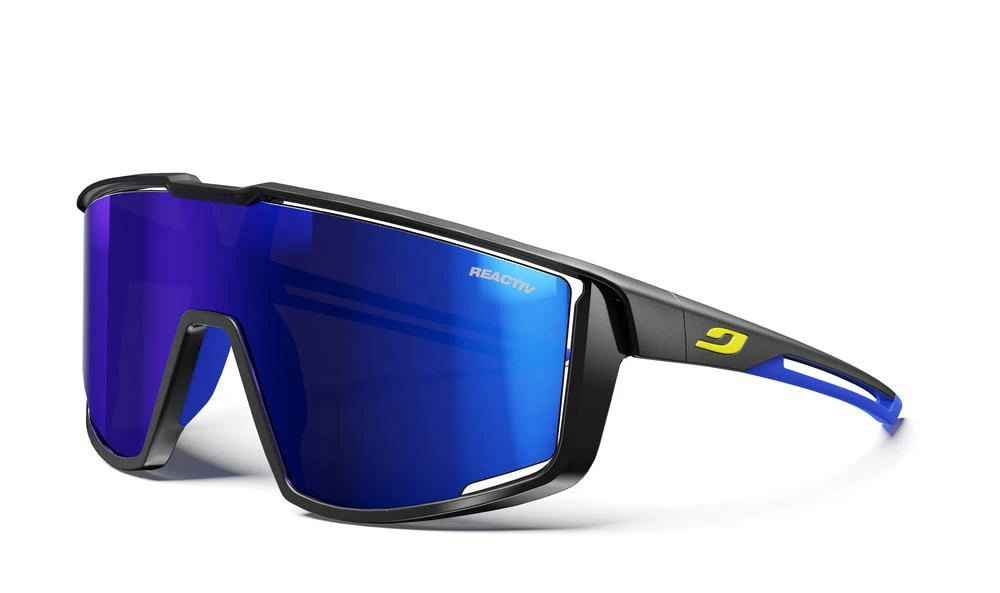
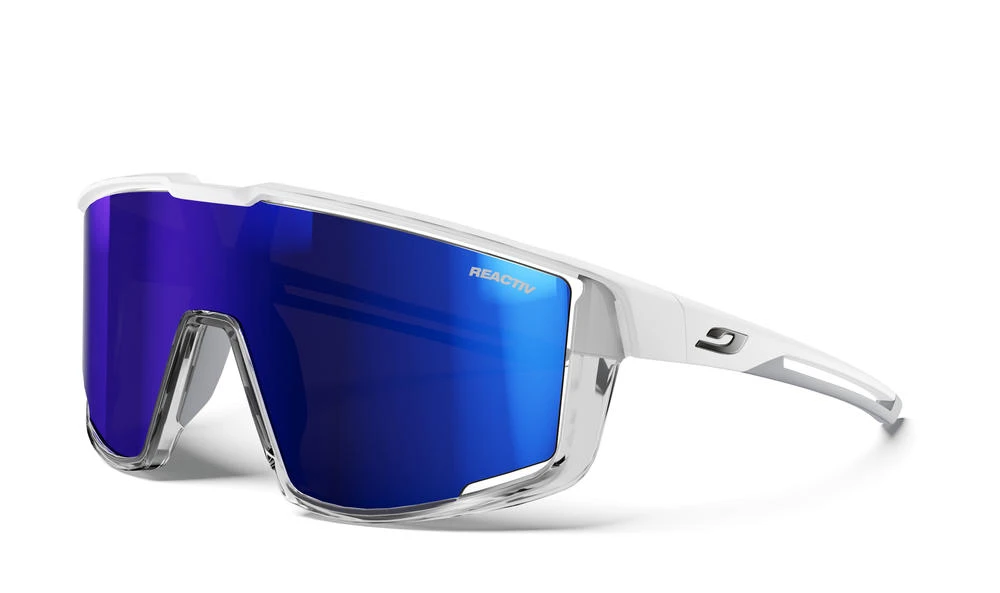
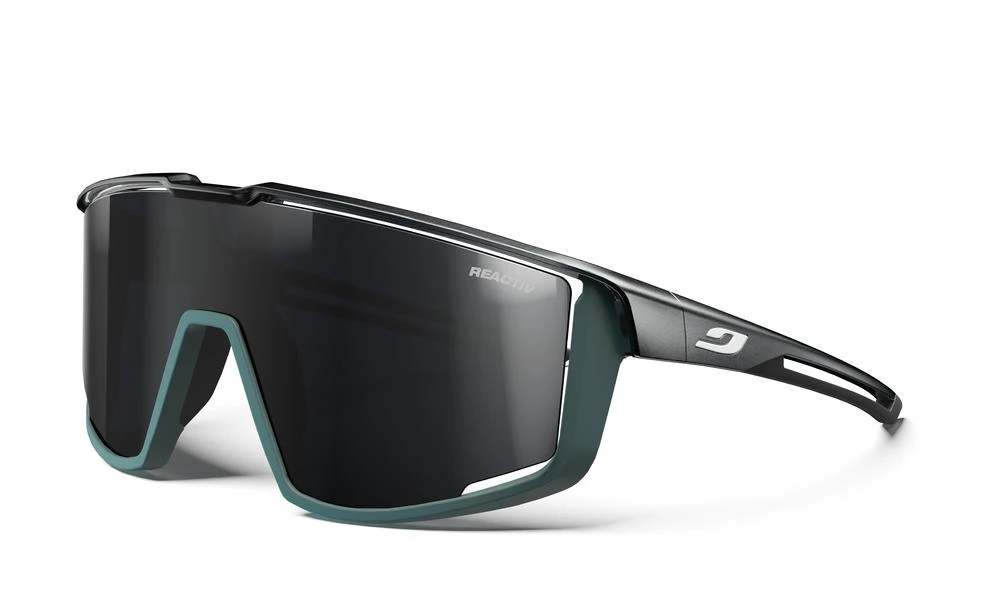
FURY REACTIV
Sunglasses for speed sports
Which components drive up the price of Tour de France bikes?
To understand why Tour de France bikes are so expensive, you need to break down every part of these outstanding machines. Every piece is chosen for its weight, stiffness, aerodynamics, or reliability.
The carbon fiber frame is without question the centerpiece. Made from extremely high-quality composite materials, it usually accounts for the largest share of the budget. Some frame kits alone are sold for several thousand euros. It’s the base that underpins the entire performance of a race bike.
Next come the mechanical groupsets. The Shimano Dura-Ace Di2 and SRAM Red AXS are the gold standards in the professional peloton. These electronic drivetrains enable lightning-fast, precise gear shifts, even in the harshest mountain stage conditions. The Campagnolo Super Record, another premium benchmark, also equips some riders on the Grande Boucle.
Wheels deserve special mention. Lightweight, stiff, and profiled to slice through the wind on flat or time trial stages, they often change depending on the stage profile. A pair of competition-grade wheels alone can cost a significant sum.
Finally, power meters, handlebars, stems, saddles, and even cables are all optimized. Nothing is left to chance in the equipment of a Tour de France bike.
What’s the most expensive bike in Tour de France history?
While the retail price of a Tour de France bike is already impressive, some machines reach truly astronomical amounts. The most notable case remains the Colnago Y1Rs of Tadej Pogacar, used during the Mont Ventoux stage of the 2025 Tour de France. This bike, in its exceptional raw black finish, was sold at auction for around €163,500, making it the most expensive bike ever sold in cycling history.
This figure perfectly illustrates the symbolic and cutting-edge technological dimensions these machines represent. Beyond mechanics, it’s the story of a victory, superhuman effort, and a moment suspended in time that’s sold with the bike. For a cycling enthusiast, acquiring their idol’s bike means getting a truly unique piece.
Other major examples mark recent race history. Julian Alaphilippe’s bike at Milan-San Remo was valued at €18,000 in its race configuration. Mathieu van der Poel’s Aeroad CFR Tensor is offered in a consumer version for around €10,599. These are vertiginous numbers, but they reflect a sport in which advanced technology serves human performance.
Can you ride a bike similar to those in the Tour de France?
Good news: you don’t have to be a world champion to enjoy a top-level machine. Major brands offer consumer versions of their racing bikes, directly inspired by the models used by pro teams.
These bikes often share the same carbon frame, transmission technologies, and professional-quality wheels. The difference with a Tour de France bike mainly lies in the level of customization, the final weight, and some exclusive components reserved for partner teams.
For cyclists looking to make smart choices, here’s what to prioritize depending on your budget:
- The carbon frame, which determines the bike’s overall handling
- The transmission group, ideally in electronic versions
- The wheels, which have a direct impact on aerodynamics and weight
- Power meters, invaluable for structuring training.
But a high-performance road bike isn’t just about mechanics. The rider’s gear plays just as important a role in both performance and comfort. In the Tour de France, every rider takes care of their machine—and their eye protection. Road cycling sunglasses filter the light, protect against UV and debris, and help you better read the road. It’s an advantage any cyclist, amateur or pro, can enjoy.
At our company, we design cycling glasses and road bike helmets, created to meet the demands of the modern cyclist. From protection to performance, every detail matters. Because on the road—as on the Grande Boucle, it’s your entire equipment setup that makes the difference.