Cycling in the Rain: How to Stay Protected on Your Bike?
Rain is part of daily cycling. Ignore it, and you’ll arrive at your destination soaked. With the right gear, you’ll stay dry, safe, and motivated.
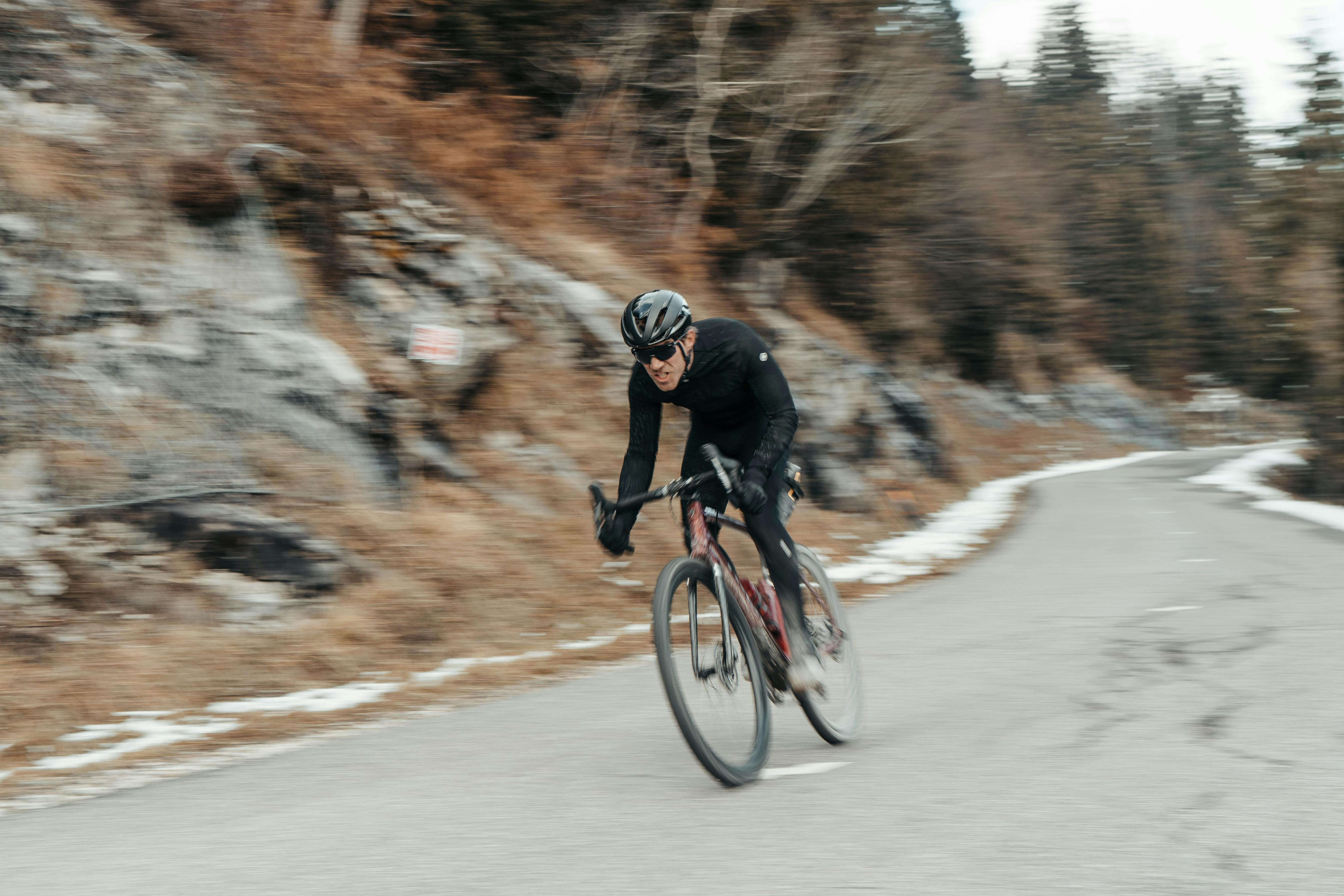
Rain is a part of everyday cycling. Ignoring it means arriving at your destination soaked. With the right gear, you’ll stay dry, safe, and motivated. Good cycling rain gear isn’t a luxury—it’s a real investment for a more enjoyable ride. Whether you’re commuting, out on a mountain bike adventure, or tackling a long road ride, your kit makes all the difference.
Which Cycling Rain Gear Is Truly Essential?
The range of cycling rainwear is huge. Rain jackets, waterproof trousers, ponchos and overshoes all promise the same thing: keeping you dry in bad weather. But not every solution suits everyone or every situation. Knowing the main categories will help you make the right choice.
The Rain Jacket: The Must-Have for Everyone
The cycling rain jacket is the cornerstone of any kit for riding in the rain. It effectively shields your upper body from moisture and wind. A good men's rain jacket or women's rain jacket should combine three qualities: waterproofness, breathability, and lightness. Fabric choice makes a big difference. Softshell jackets offer more comfort and freedom of movement but aren’t as protective in heavy rain as Hardshell jackets, which resist downpours better but can feel warmer with intense effort.
One technical detail to consider is the water column (waterproof rating in mm). It shows how much pressure the fabric can withstand before letting water through. For cycling, aim for a water column of at least 10,000 mm—more for long rides in harsh weather. The jacket should also be breathable to wick away sweat, otherwise you’ll end up just as wet inside as outside.
A good lightweight cycling jacket (Bike-Light-Jacke) should pack away easily to fit in a jersey pocket—ideal for reacting quickly to changes in weather. Many designs have an extended back and a hood that fits under your helmet—a valuable detail during heavy showers.
The Cycling Rain Pants: Often Overlooked but Essential
Focusing only on your jacket means forgetting your legs. Waterproof cycling pants keep your lower body safe from splashes, cold, and moisture. For longer rides or daily commutes, they’re a must. Women's rain pants and men's rain pants come as lightweight overtrousers you pull over shorts, or as insulated trousers for colder days.
It’s important to check the leg openings when buying. Too wide, and water will creep in. Choose snug finishes with Velcro straps or elastic to keep rain out. Reflective elements on rain pants boost your visibility in bad weather, which increases road safety.
The Cycling Poncho: Flexible but with Its Limits
The cycling rain poncho is the quickest solution in a sudden shower. It slips on in seconds, protects the upper body—and partially the legs—while allowing plenty of freedom of movement. A poncho can also cover your bag or backpack, dries quickly, and usually costs less than a full rain jacket.
The drawback is the wind: at higher speeds, the poncho flaps and hampers aerodynamics. It’s perfect for city rides or leisure cycling but not suited for sporty road cyclists or mountain riders, who will prefer a rain jacket.
What Matters When Choosing Cycling Rain Gear?
The variety is huge and it’s easy to get lost. To figure it out, start with your needs: do you cycle often in the rain? How far? At what temperatures? Your answers determine what rain gear will suit you best.
Key Criteria to Remember
When buying a cycling rain jacket or waterproof cycling pants, look for:
- Waterproofness: check the water column rating—the higher, the better for heavy rain;
- Breathability: crucial to wick away sweat and avoid getting soaked from the inside;
- Lightness and packability: a lightweight jacket is easy to fold and take everywhere;
- Fit: your jacket should be snug to avoid flapping but still comfortable for movement;
- Visibility: reflective elements are essential in rainy conditions;
- Eco-responsibility: many brands now offer PFC-free treatments and recycled materials.
Helmet and Glasses: Completing Your Rain Cycling Kit
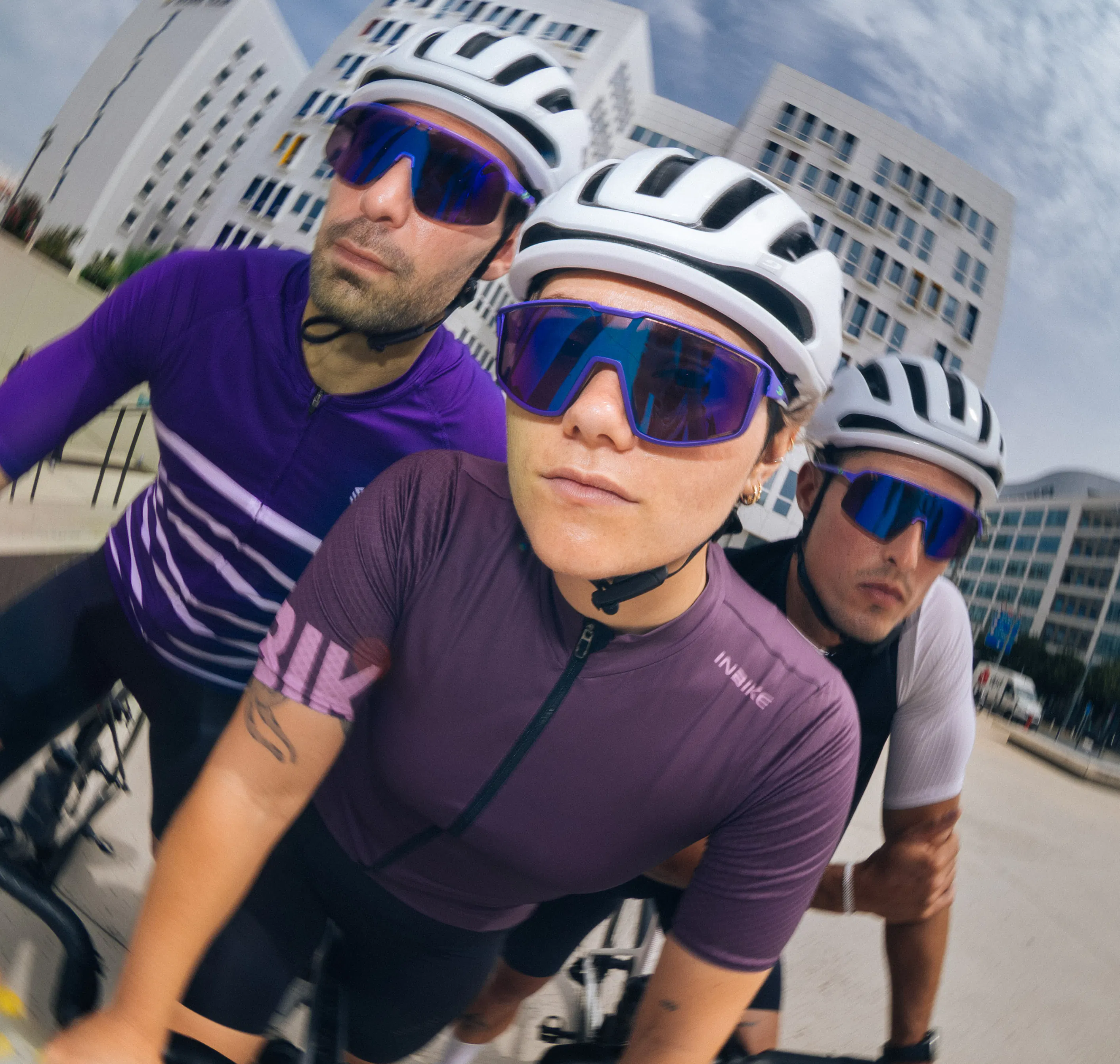
Too often overlooked when cycling in the rain: your head and eyes need protection too. The jacket insulates your body, but what about your face? Rain in your eyes can affect your vision and become a danger.
The right cycling glasses are indispensable in rain or low light. Photochromic lenses that adjust automatically to brightness are practical and save you from swapping glasses mid-ride—perfect for keeping your hands on the handlebars.
For helmets, there are now models with integrated visors or ventilation channels that keep you comfortable even in the rain. A headband over your ears keeps them warm against the wind. These thoughtful extras really make a difference in wet weather.
How to Layer Your Cycling Rain Gear?
The secret: layering. For rain and wind, go for three layers: a technical base layer to wick moisture from your skin, an insulating middle layer if it’s cold, and a waterproof jacket on top for protection. This system keeps you dry and warm but still lets your body breathe.
For your legs, the same logic applies: technical shorts as a first layer, then lightweight rain pants over the top to stay dry even in heavy downpours. For added comfort, some models have side zips so you can put them on or take them off quickly.
Pay attention to your feet too. Wet shoes can spoil the whole ride. Waterproof overshoes or cycling shoes designed for rain keep your feet warm and dry. Pair them with long Merino wool or technical socks and you’ll stay cozy.
Smart Habits for Cycling in the Rain
Even with the best rain gear for cycling for women and men, riding in the rain calls for caution and awareness. Roads get slippery, braking distances increase, and visibility drops. Be prepared for these hazards for safer, more confident riding.
Reflective details on your jacket, pants, and helmet aren’t just nice-to-haves: they’re essential when visibility is low. Bright or light colors also help you stand out. And good bike lights are crucial in rain and low light. Technique, equipment, and attention—that’s your best safety combo.
Key Takeaways
Cycling in the rain doesn’t have to be a chore if you’re well equipped. With the right rain gear for cycling, you stay dry, visible, and free to move. Remember:
- A rain jacket that is both waterproof and breathable is the foundation for effective protection;
- Rain pants keep your legs dry and increase visibility with reflective panels;
- The rain poncho is perfect for sudden showers and short trips;
- Layering (three layers) guarantees warmth and protection in any weather;
- Cycling glasses and a bike helmet complete your kit for optimal safety, even in the rain.
Once you’re properly equipped, you’ll see that rain is no reason to leave your bike in the garage. With the right gear, every ride—no matter the weather—becomes a real pleasure.