Tour de France Passes: Which Are the Most Iconic to Know?
Every summer, the Tour de France transforms mountain roads into extraordinary arenas. The mountain passes become natural amphitheaters where cycling history is written. From Tourmalet to Galibier, Alpe d'Huez to Mont Ventoux, these climbs set the hearts of cyclists around the world racing. Here’s a look at the most emblematic passes that have shaped the legend of the Grande Boucle.
Why Are the Tour de France Passes Part of Cycling Legend?
For over a century, the history of the Tour has been written atop its peaks. The passes give the Tour de France its epic scale, its almost mythical character. Every climb tells a story of battle, achievement, or surrender. The steep slopes, hairpin bends, and summits lost in the clouds: all this turns these roads into living monuments for passionate cyclists.
The classification of the passes plays a central role in the race. The polka dot jersey, awarded to the best climber, is one of the competition’s most recognizable symbols. To win it, Tour riders battle on climbs ranked in four categories, from fourth to first, with the most demanding designated “hors-catégorie.” Introduced in the 1970s, this ranking highlights the toughest passes—those that truly make a difference in the overall standings.
These passes are not just athletic challenges. They are also breathtaking landscapes, offering dizzying panoramic views of the French Alps or Pyrenees—horizons that give meaning to the effort. It’s precisely this blend of hardship and beauty that makes these ascents so unforgettable.
What Are the Most Iconic Passes of the Alps and Pyrenees?
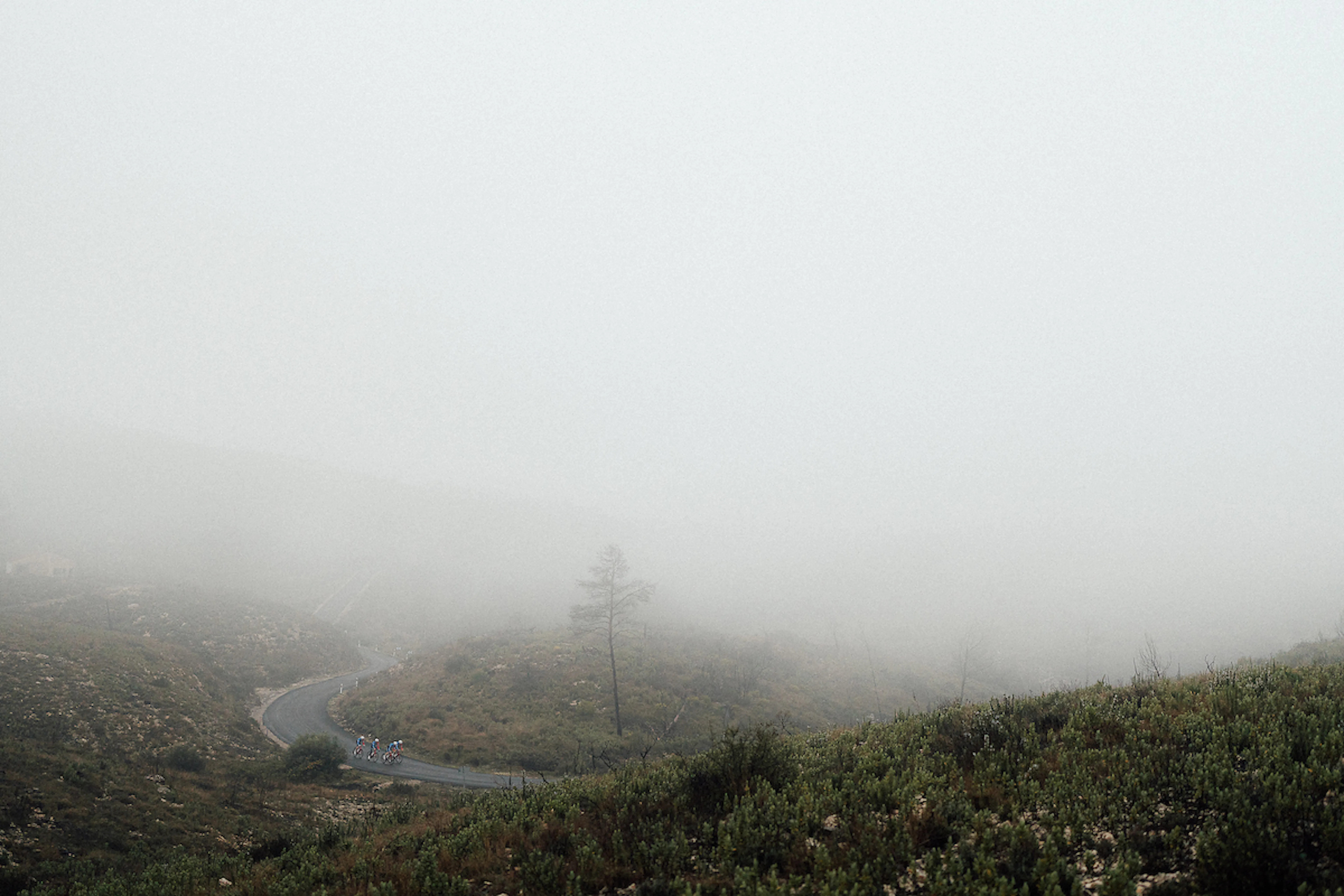
The two great French mountain ranges have shared the spotlight since the earliest editions of the race. Each has its giants, feared sections, and legendary peaks. Here are the must-know passes every cycling fan should be familiar with.
The Giants of the French Alps
In the Alps, the col du Galibier stands out as the undisputed king. Rising above 2,600 meters, it is one of the highest ascents ever tackled by the Tour. Its steady gradient, endless switchbacks, and panoramic views over the Southern Alps make it a climb apart. The col du Galibier is often linked to the col du Télégraphe, which precedes it from Saint-Michel-de-Maurienne, and to the col du Lautaret, which follows it on the Briançon side. Together, they form a formidable triptych for the legs.
Alpe d'Huez deserves a special mention. With its 21 countdown-numbered bends, festive atmosphere, and countless historic moments, Alpe d'Huez is arguably the most famous pass of the Tour. Starting in Bourg-d'Oisans, with crowds lining the roadside and riders’ names painted on the tarmac, climbing Alpe d'Huez is like entering a cathedral of cycling.
The col de la Madeleine in the Northern Alps is also a regular on the route. Long and steady, it wears down riders before the Southern Alps reveal their final secrets. The croix de fer, another major regional pass, is renowned for its technical sections and striking views of the surrounding peaks. Finally, the col de la Loze, a recent addition to the Tour’s history, has quickly earned a reputation as one of the most challenging. Nicknamed “the 21st century pass,” its extreme gradients make it a true test even for the world’s best climbers.
The col d'Izoard in the Southern Alps is also part of this hall of fame. Its Casse Déserte—a barren, lunar zone just below the summit—is one of the most striking landscapes encountered on a bike. This is where Fausto Coppi and Louison Bobet wrote some of the Tour’s most beautiful pages.
The Pyrenean Classics
In the Pyrenees, the col du Tourmalet reigns supreme. It is the most frequently used pass in the Tour’s history. Accessible from La Mongie or Sainte-Marie-de-Campan, it rises above 2,100 meters and offers breathtaking views over the Pyrenean peaks. The Tourmalet is the very soul of Pyrenean cycling.
The col d'Aubisque, often paired with the col du Soulor, creates one of the most spectacular combinations on the Pyrenean route. The connecting road skirts dizzying cliffs and passes through wild, rare beauty. The col d'Aspin, less lofty but still demanding, is another classic of mountain stages in the Pyrenees. The col de Peyresourde is often used as a springboard before the grand finales. Its steadiness and length make it a significant filter in the race.
How to Prepare for Climbing a Legendary Tour de France Pass?
Dreaming of riding up these legendary roads is one thing. Getting ready to do it is another. Whether you’re an experienced cyclist or a passionate amateur, tackling a hors-catégorie pass requires serious preparation, both physically and in terms of equipment.
On the physical side, specific climbing training is essential. Work on threshold power, improve your power-to-weight ratio, and accustom your legs to long ascents with steady gradients: these are the basics. The Tour passes do not allow room for improvisation.
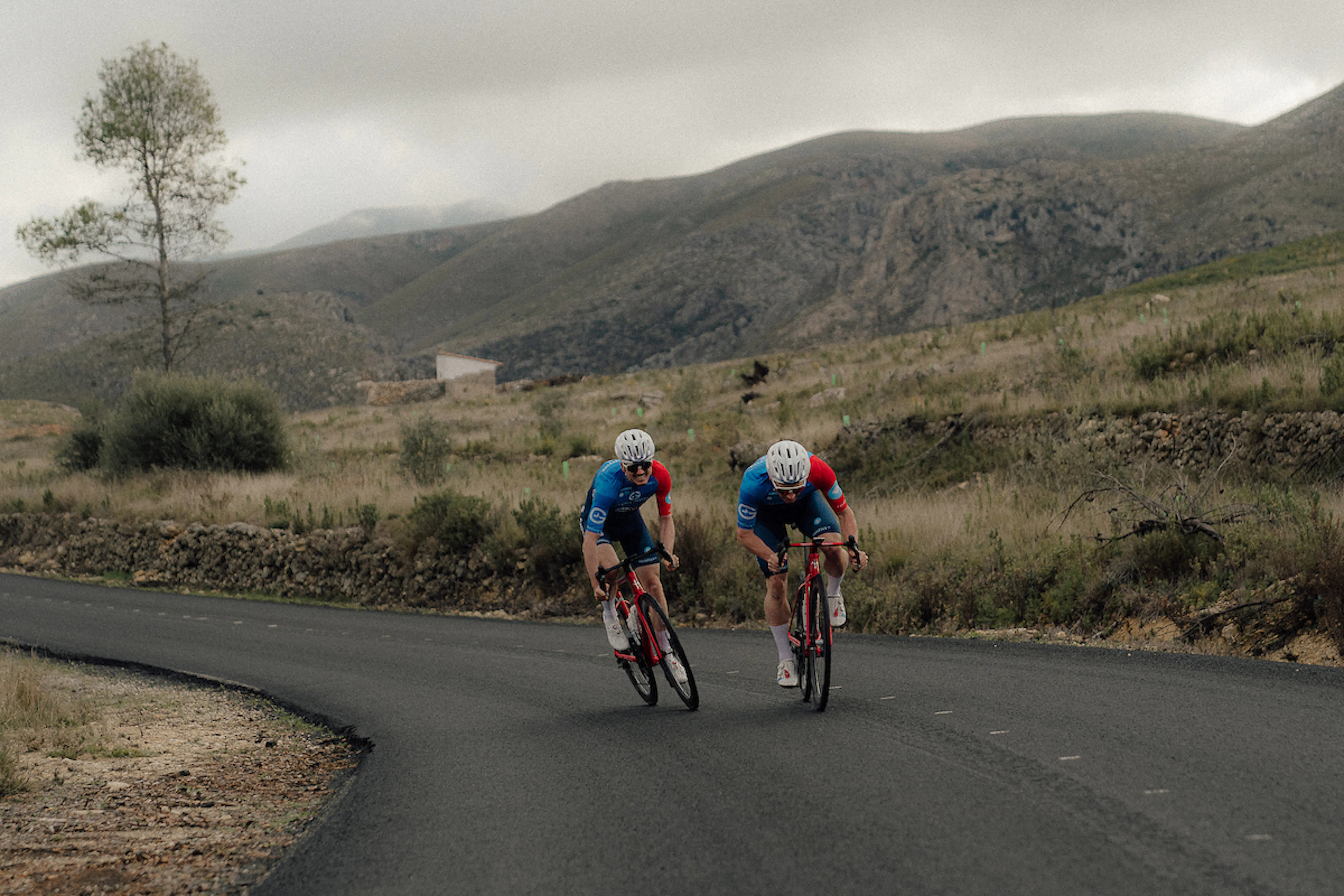
From an equipment perspective, every detail counts—the bike, naturally, but also protective gear. Weather conditions change rapidly at high altitude. A clear sky at the start can turn into a freezing wind or blazing sun within a few kilometers. Eyes are often neglected in preparation, yet on a mountain pass road—between the shaded forest tunnels and exposed ridgelines—eye protection is crucial. Well-suited road cycling glasses that can handle changing light make all the difference in maintaining a clear and safe view of the road.
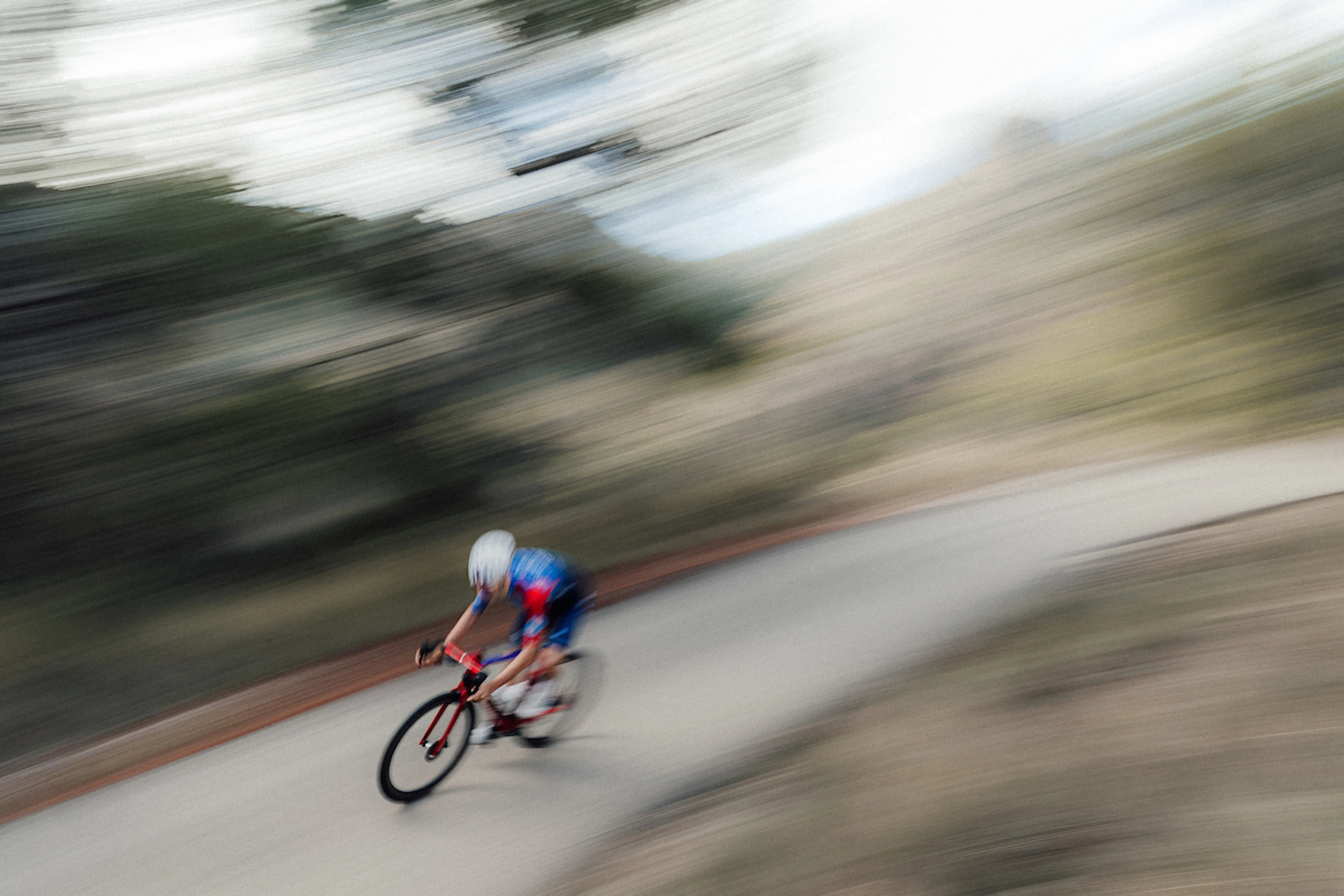
Safety also means wearing a helmet. On descents from passes like Galibier or Alpe d'Huez, the speeds can be considerable. A well-fitted, lightweight, and ventilated cycling helmet is essential for tackling these technical downhills with confidence. This is the kind of equipment that shouldn’t be compromised.
Finally, picking the right time to set out is crucial. The Tour passes are generally open from June to September. Setting off early in the morning helps avoid the heat and lets you enjoy wonderful light on the peaks. It’s also the time when the roads belong to cyclists, before cars arrive to share the asphalt.
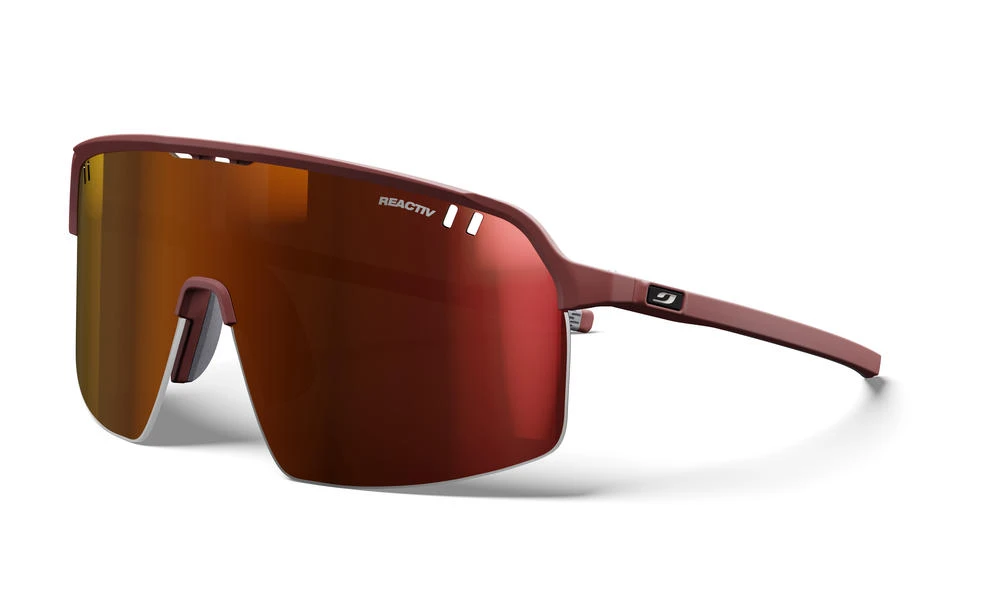
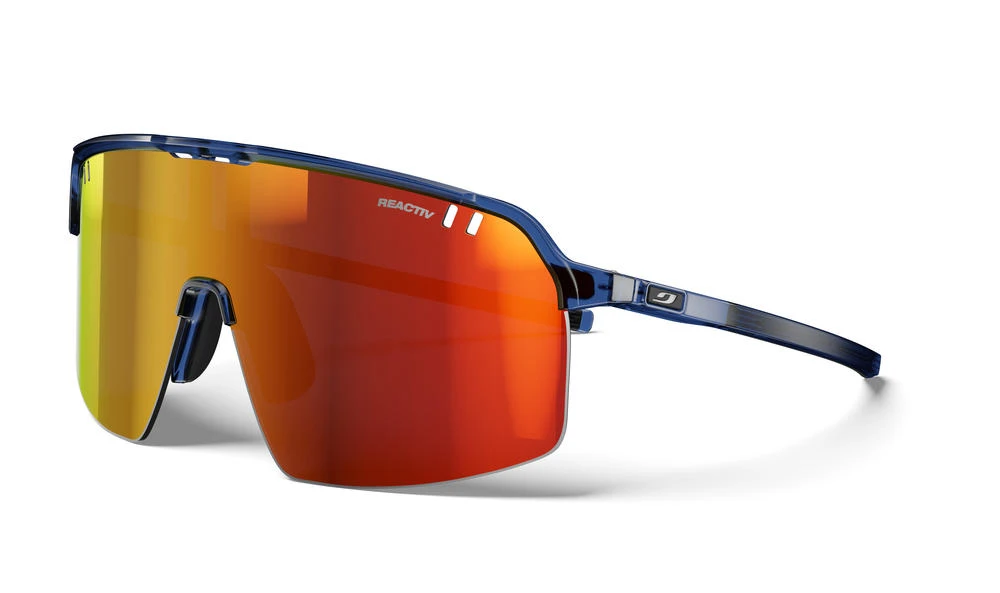
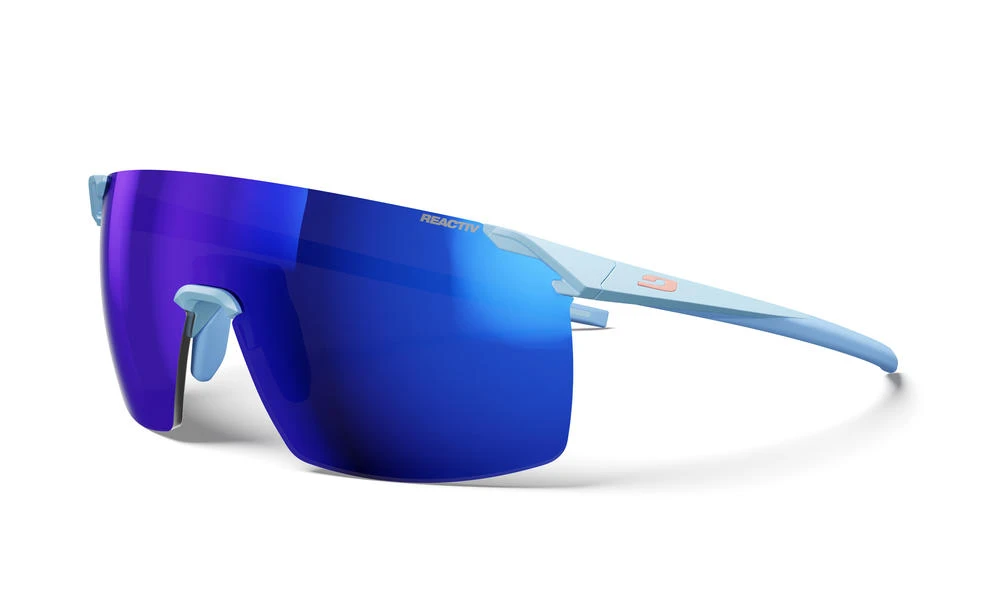
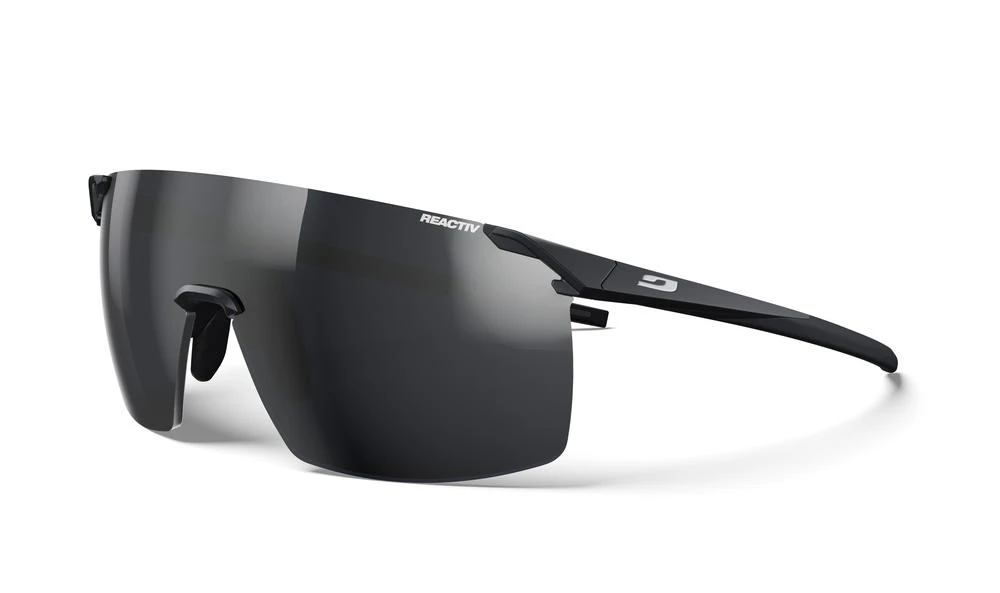
REACTIV 1-3 High Contrast
INTENSITY REACTIV
Lightweight and ventilated sunglasses with enhanced grip, perfect for cycling and trail running with high-performance lenses

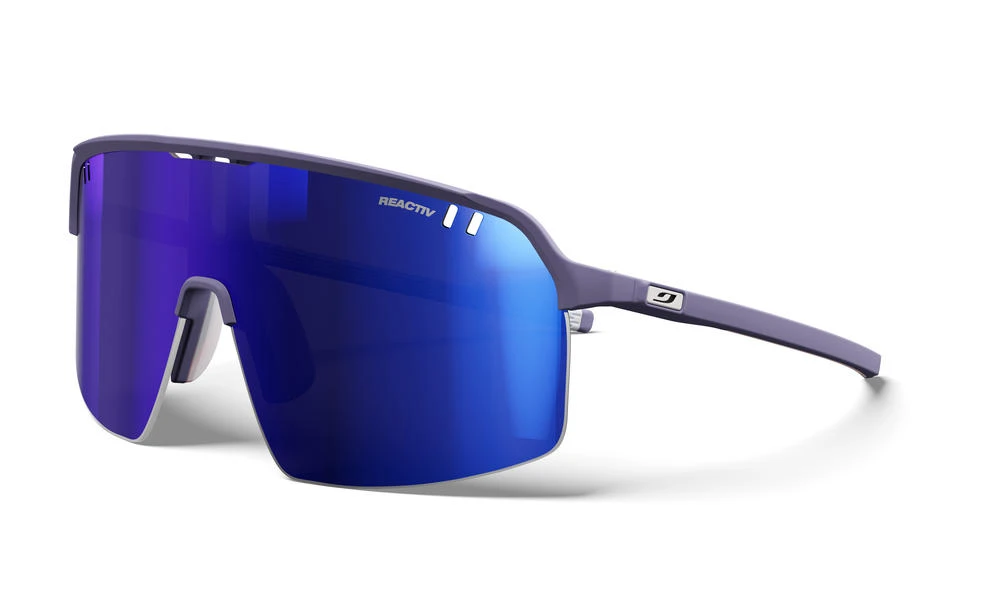
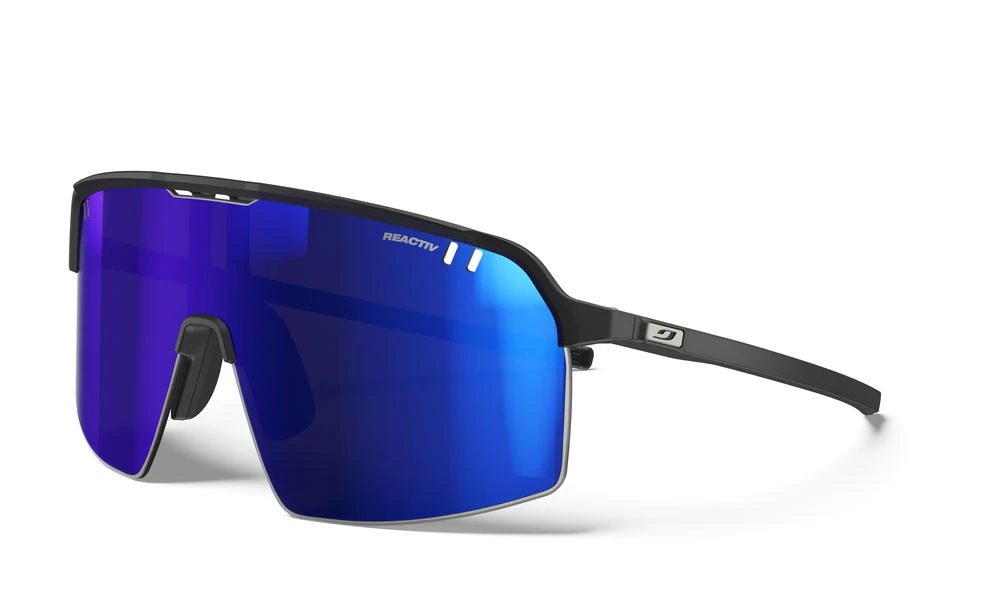
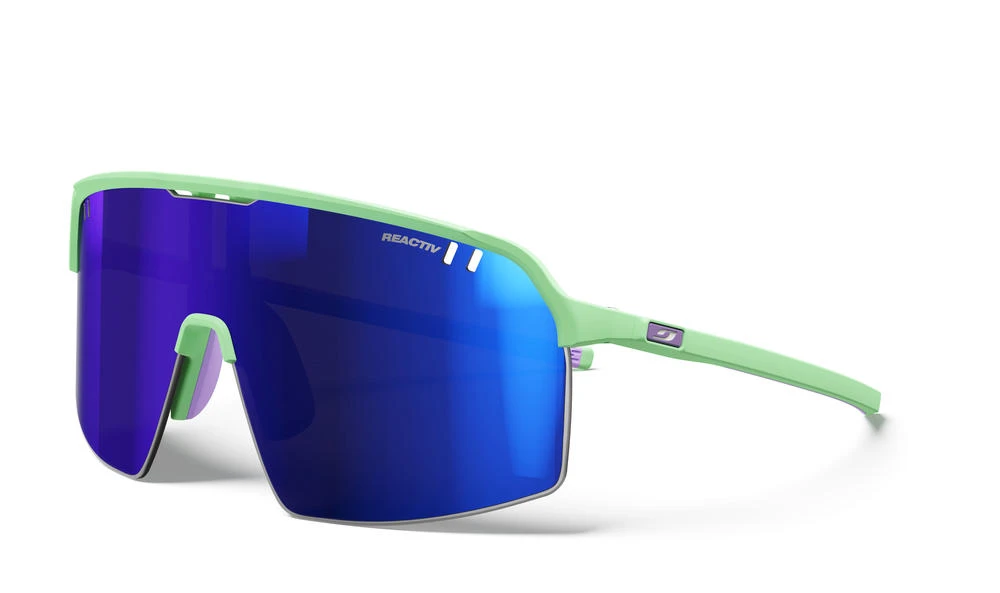
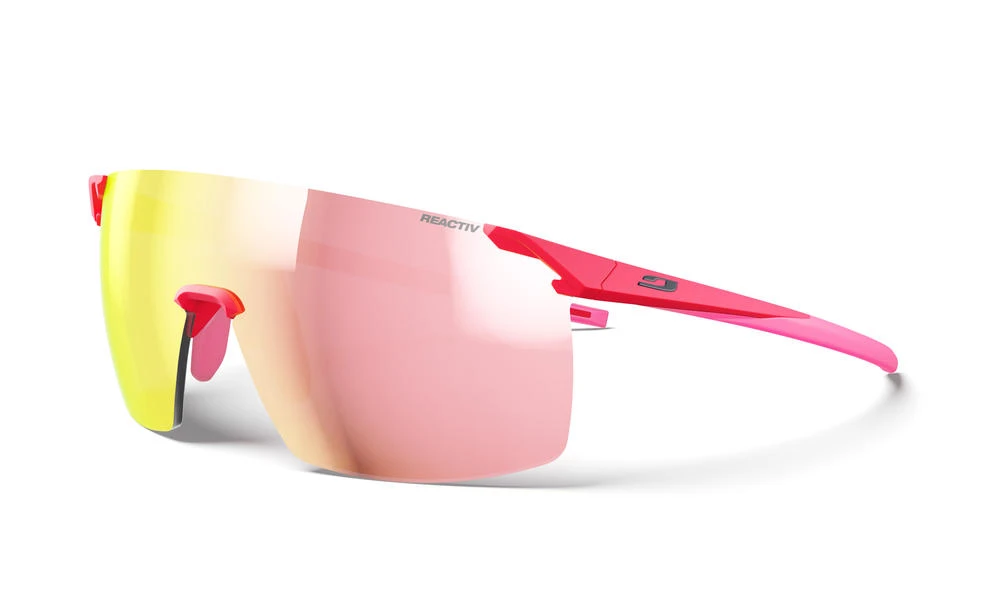
REACTIV 1-3 High Contrast
FASTER S REACTIV
Ultra-light, streamlined sunglasses designed for narrow faces seeking performance
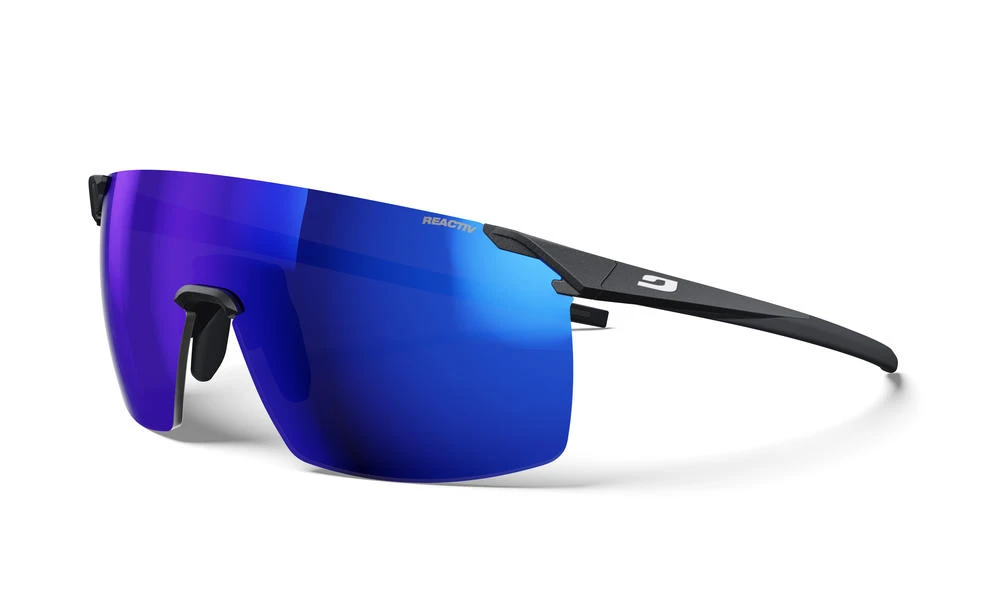
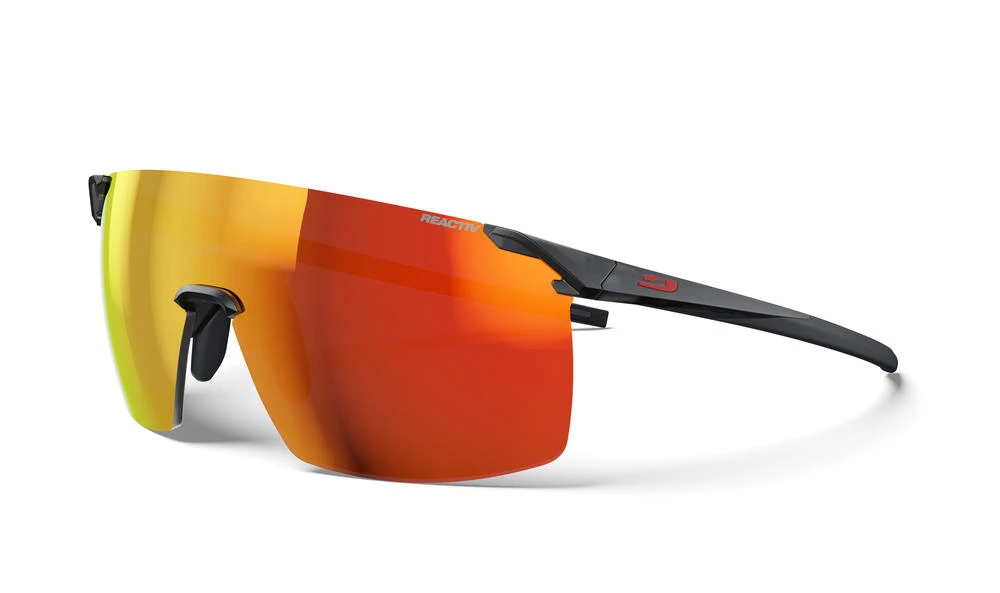
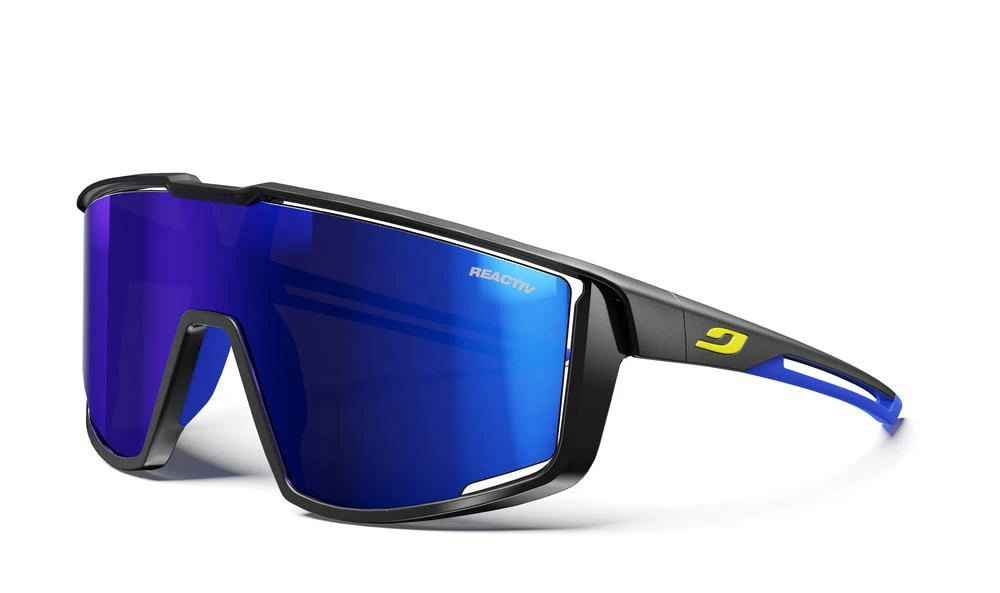
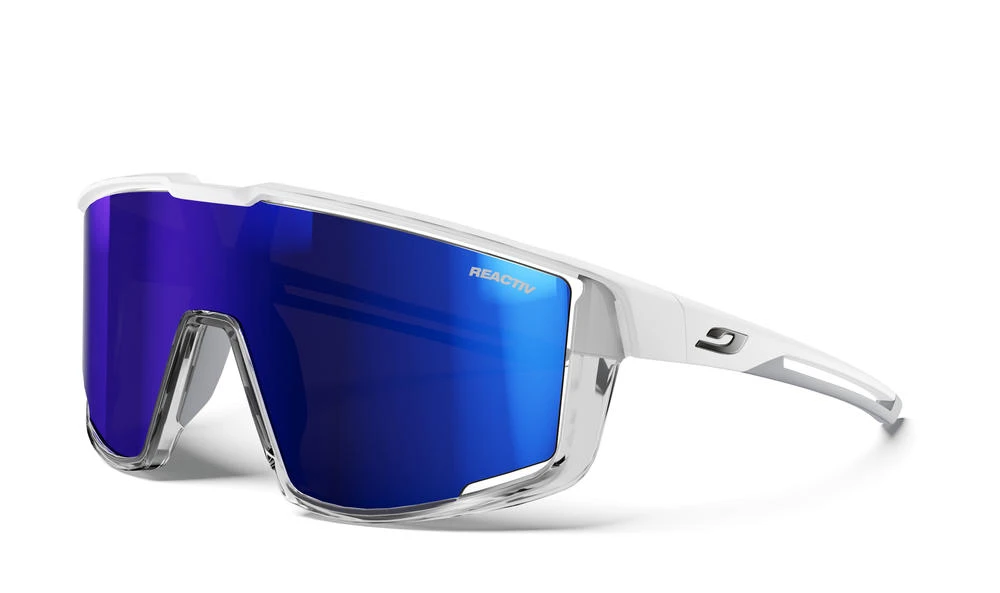
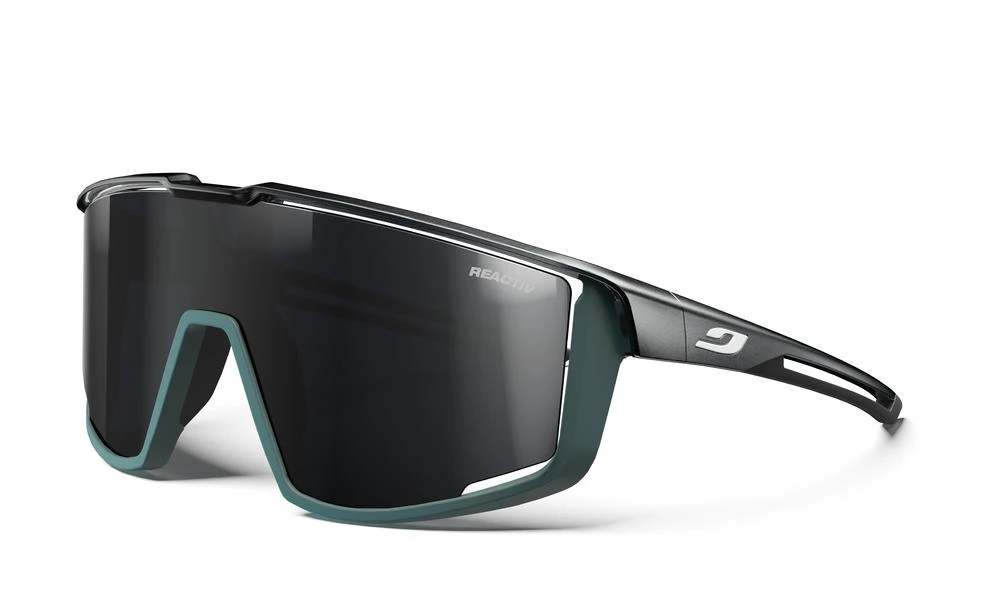
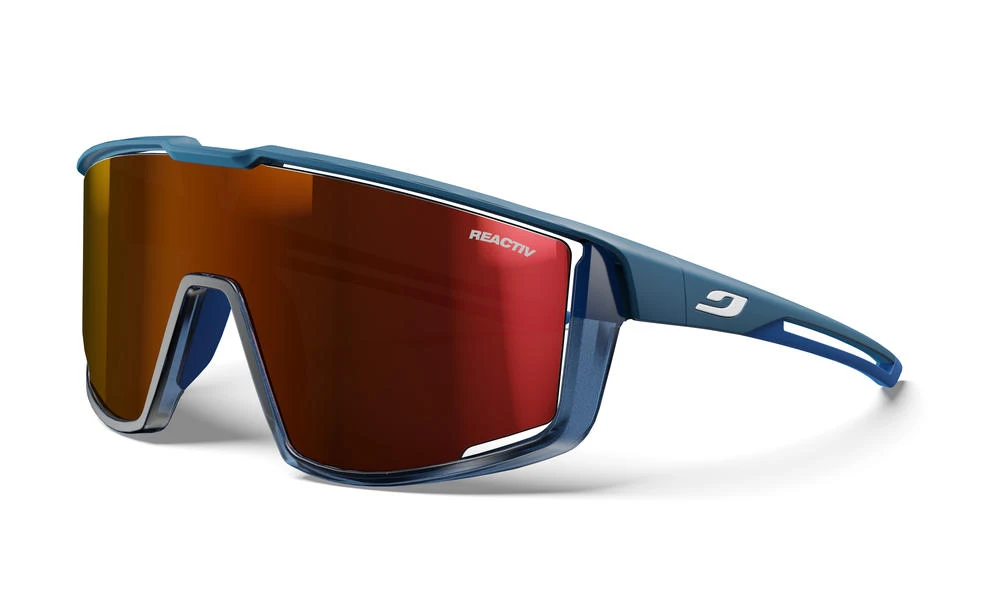
REACTIV 1-3 Light Amplifier
FURY REACTIV
Sunglasses for speed sports

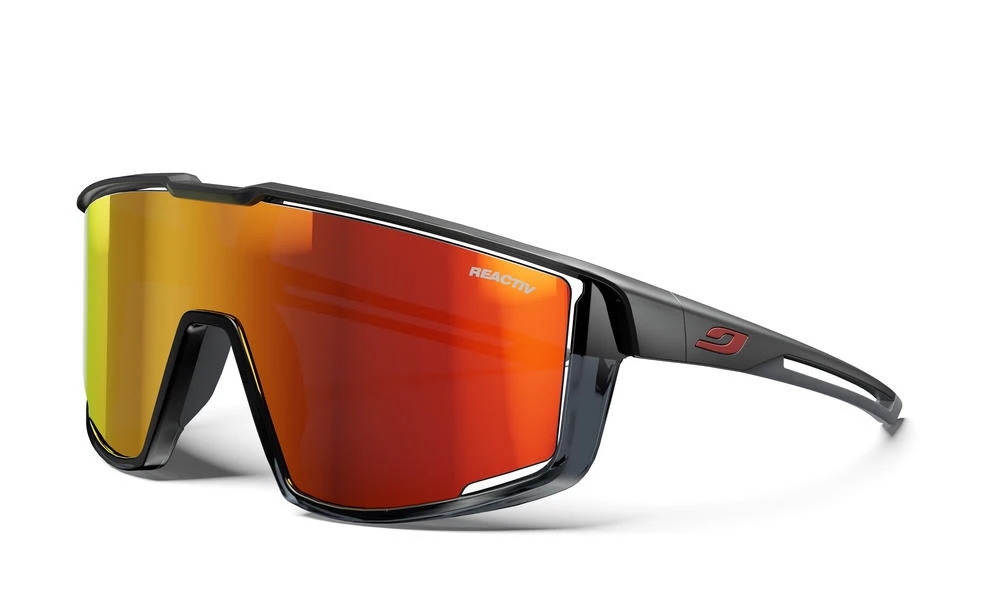



What to Remember About Tour de France Passes
The mountain passes of the Tour de France are much more than mere obstacles on a route. They are the beating heart of the race, where champions stand out and legends are born. Whether you watch them from your couch or dream of climbing them one day, they deserve to be known, understood, and respected. Here are the essential ones to keep in mind:
- Col du Tourmalet, king of the Pyrenees and the most crossed pass in Tour history
- Col du Galibier, giant of the Alps and one of the highest ascents on the route
- Alpe d'Huez, absolute symbol of popular cycling, famous for its 21 legendary bends
- Mont Ventoux, both solitary and formidable, a true psychological as well as physical challenge
- Col d'Izoard and its Casse Déserte—a world’s-end landscape etched in cycling’s memory
- Col de la Loze, a new benchmark of the modern Tour and one of the toughest ever climbed
Each pass tells a story. Every ascent is an invitation to push your limits, to look further, to live more intensely. Perhaps this is, after all, the real magic of the Tour de France’s mountain passes.