What is the weight of Tour de France bikes?
Every summer, Tour de France bikes fascinate and impress in equal measure. Extreme lightness, perfect stiffness, exceptional materials: these machines are the result of a relentless pursuit of performance. But how much does a professional road bike on the Grande Boucle really weigh? And why is this weight so carefully regulated? Here’s an overview of an obsession that has captivated cycling for over a century.
How much does a Tour de France bike weigh today?
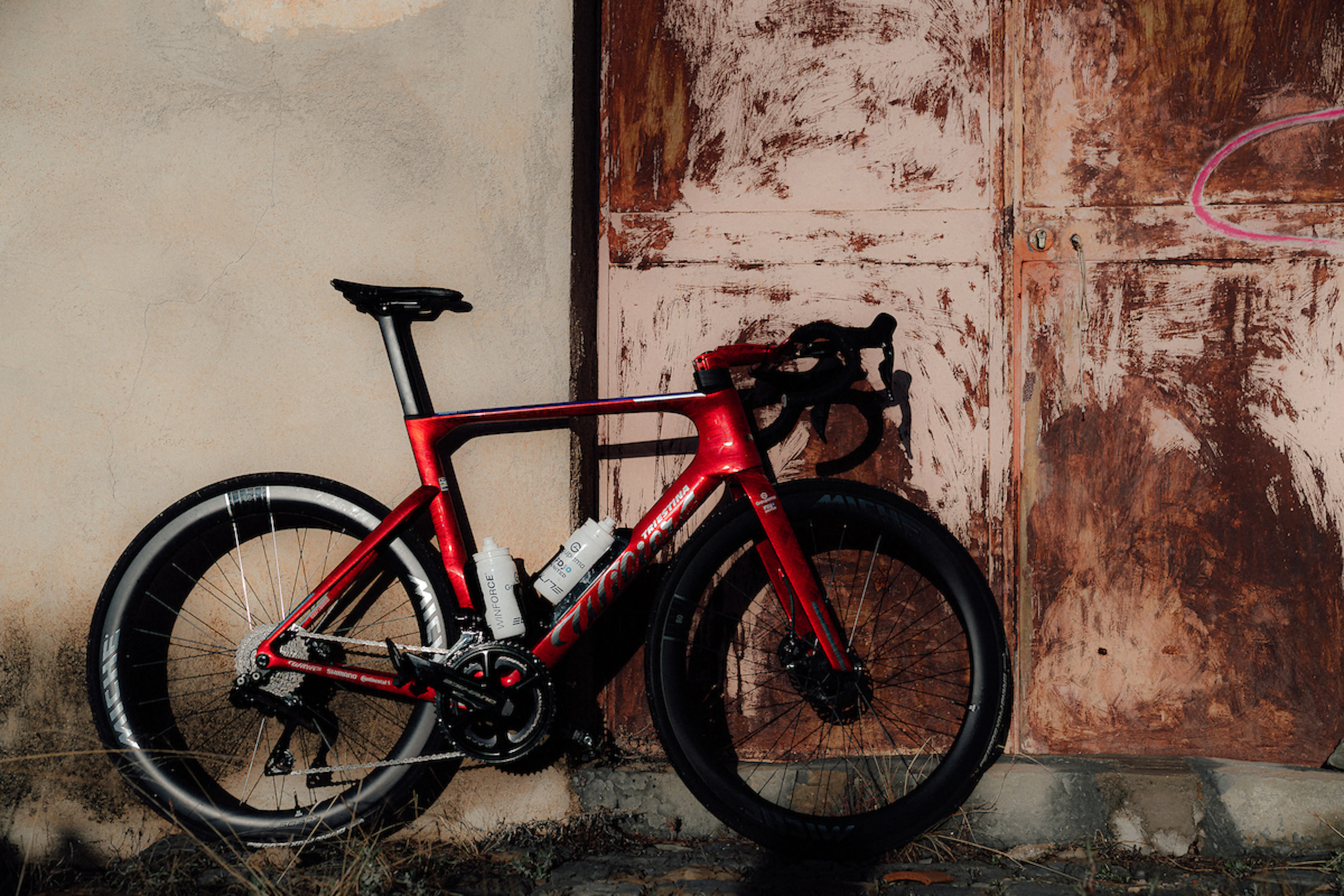
The answer comes down to a few precise numbers. Since 2000, the Union Cycliste Internationale (UCI) has required a minimum weight of 6.8 kg for any racing bike used in competition. This rule applies to all bikes in the Tour, whether it's a model designed for mountain stages or a time trial bike.
In practice, most professional teams try to get as close as possible to this limit. Riders' road bikes generally weigh between 6.8 and 7.2 kg depending on their configurations, onboard equipment, and the specifics of each stage. Every gram counts, and teams know this better than anyone.
What makes these machines so remarkable is the ingenuity involved in reaching this threshold while still ensuring stiffness, power transmission, and rider safety. A Tour bike isn't just light: it's precise, responsive, and designed to withstand thousands of kilometers in extreme conditions.
Why did the UCI set the weight limit at 6.8 kg?
It's a valid question. Why set a minimum and not a maximum? The logic is simple: without this rule, the quest for the lightest possible bike would have pushed manufacturers to extremes incompatible with rider safety. At the turn of the 2000s, carbon fiber and new manufacturing technologies already allowed designers to build frames well below this threshold. The Union Cycliste Internationale made its decision, setting 6.8 kg as the lower limit to safeguard both sporting fairness and the physical integrity of professional cyclists.
This decision is still at the heart of debate in the cycling world. Many manufacturers and teams advocate lowering this threshold, claiming that current technologies allow for even lighter bikes without compromising strength. The UCI, however, hasn't budged. The 6.8 kg limit remains in effect, and teams must work within this regulatory constraint.
In some cases, bikes are even deliberately weighted to reach exactly the minimum allowed. Quite the paradox for engineers whose daily work is to shave off grams from every component.
From steel to carbon: how has bike weight evolved?
The history of Tour de France bike weight is also the story of a continuous technological revolution. During the first editions of the Grande Boucle in the early 20th century, riders tackled mountain passes on steel bikes weighing over 15 kg. These were robust, almost brutal machines that demanded significant physical strength to be ridden quickly on mountain roads.
The evolution then accelerated decade after decade. Aluminum first replaced steel in the 1980s-1990s, significantly reducing frame mass. Then carbon fiber changed everything. This composite material, offering exceptional stiffness for minimal weight, gradually became the absolute standard in the professional peloton.
Today, a monocoque carbon frame weighs between 900 and 1,100 grams, compared to 1,300 to 1,600 grams for an aluminum equivalent. This difference, multiplied across all components (wheels, drivetrain, handlebars, saddle), enables teams to meet the 6.8 kg threshold while having a race bike capable of withstanding the most intense demands.
Which components influence the weight of a professional racing bike?
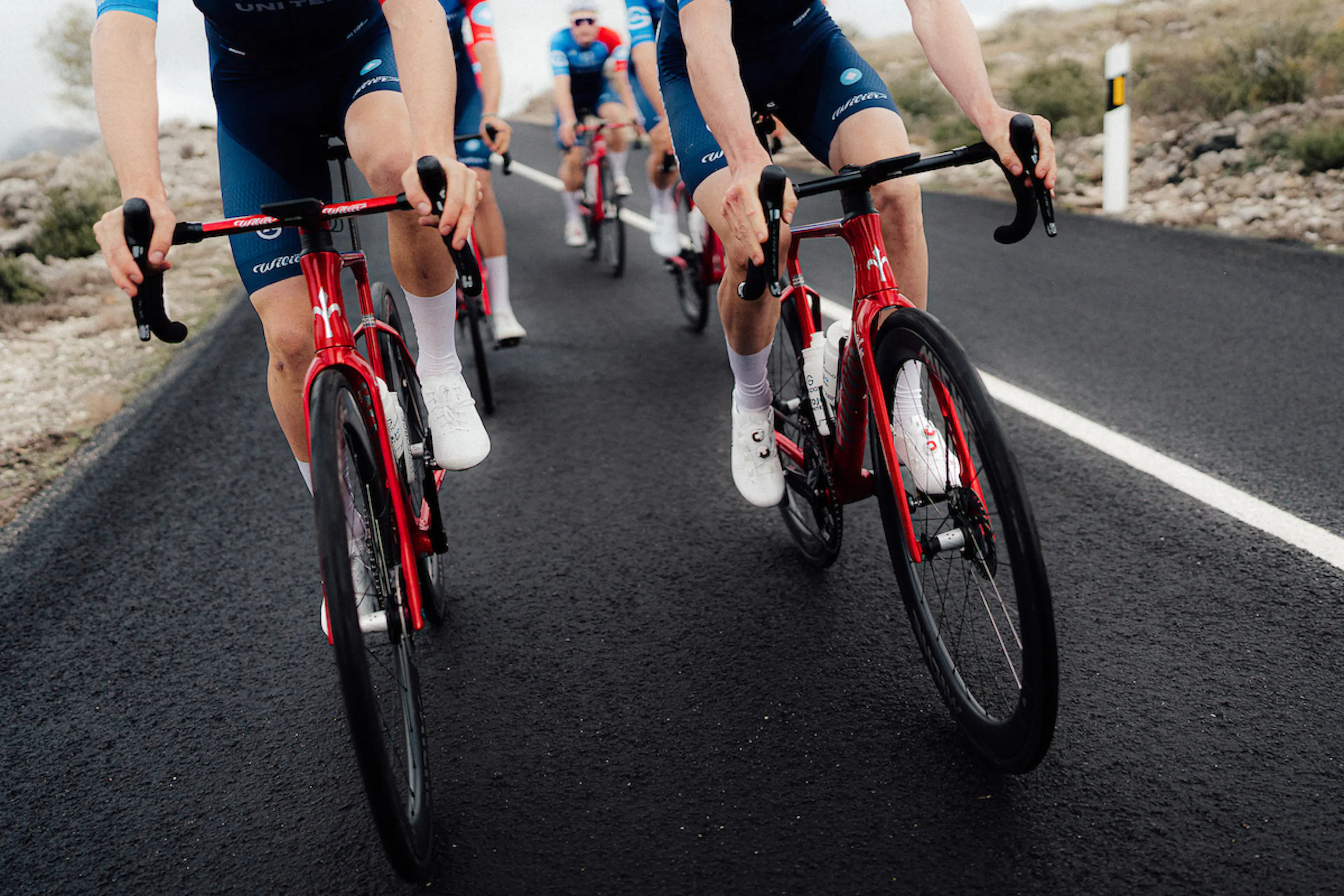
On a Tour bike, every part is selected with surgical precision. The final weight is the result of a delicate balance between several key elements:
- The carbon fiber frame, centerpiece and the main focus of weight reduction efforts
- The wheels, whose weight and stiffness directly affect responsiveness in accelerations and descents
- The drivetrain (derailleurs, brakes, crankset), now often electronic for improved precision and lightness
- The saddle and handlebars, optimized in carbon to eliminate every unnecessary gram
- The tires and tubes, selected according to the stage profile.
Professional teams also adapt their bike setups according to the stage type. During the Tour, a climber will not use the same build as a time trial specialist. Lightness is key in the high mountains, while aerodynamics takes precedence in timed stages.
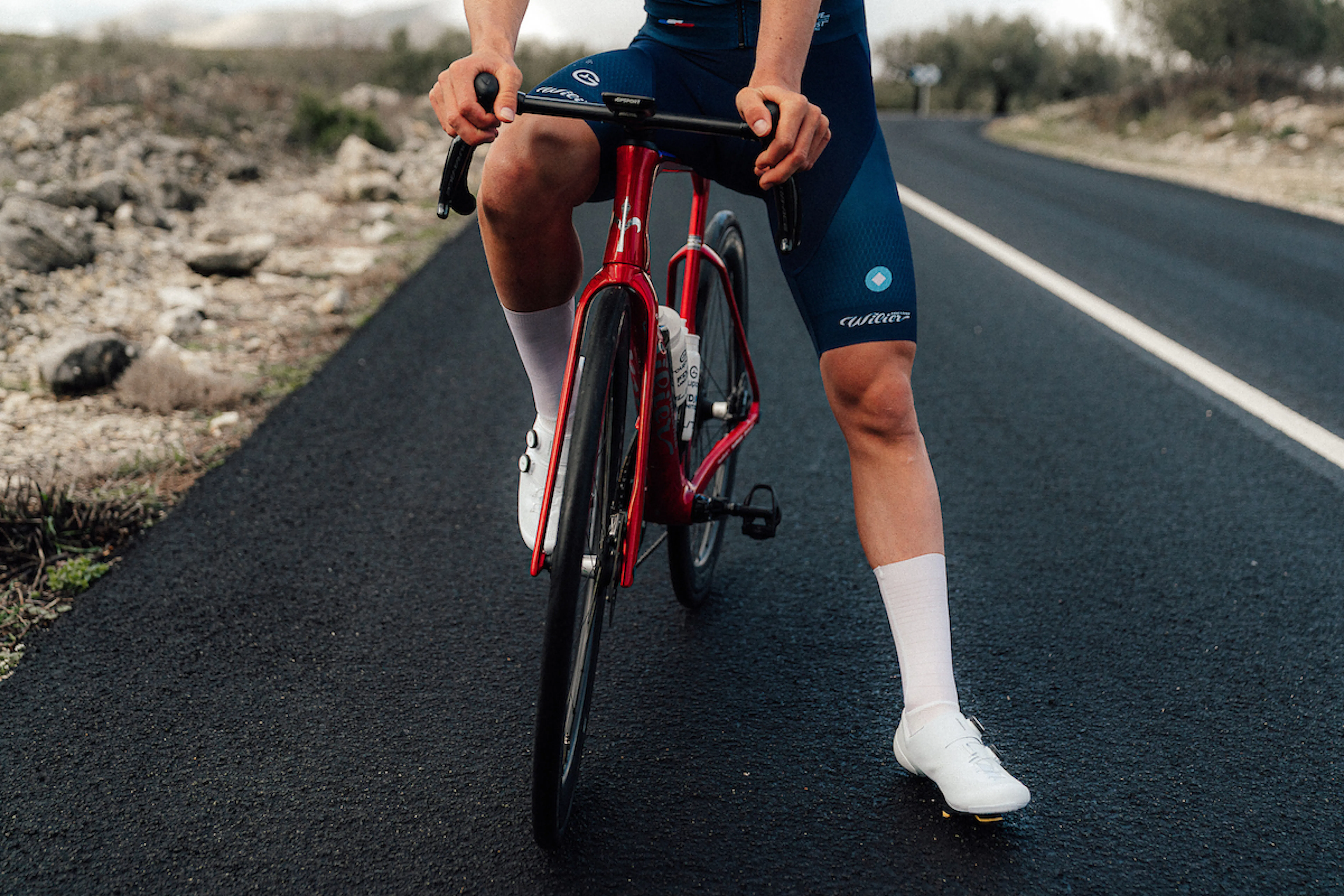
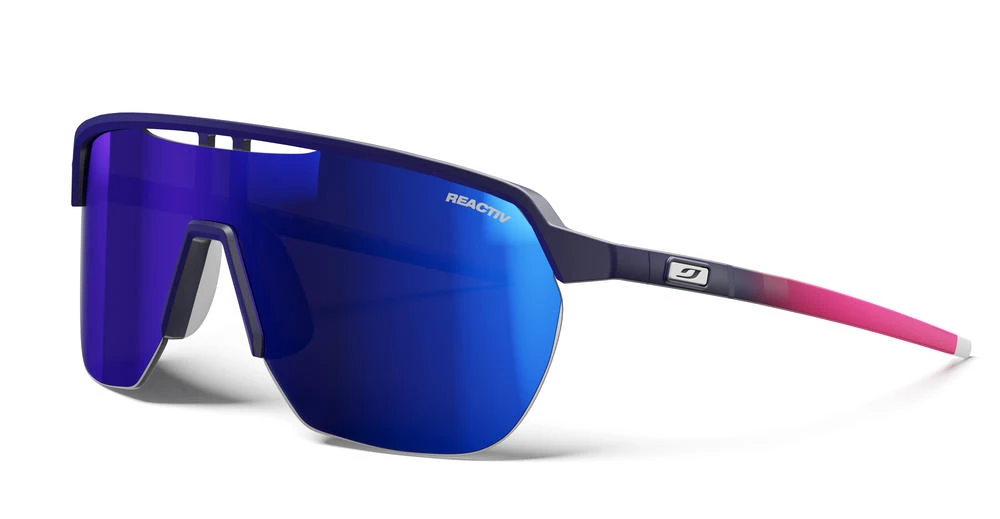
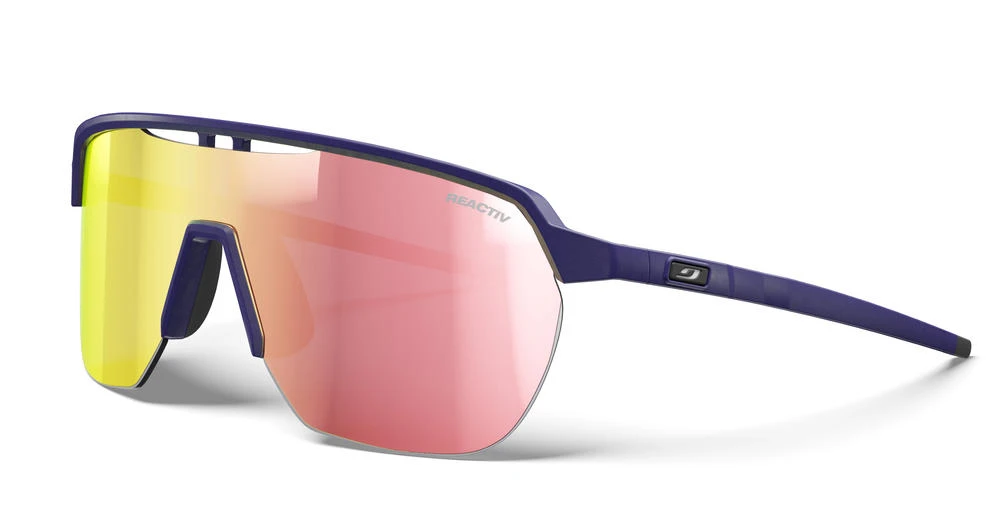
REACTIV 1-3 Light Amplifier
FREQUENCY REACTIV
Sunglasses for speed sports

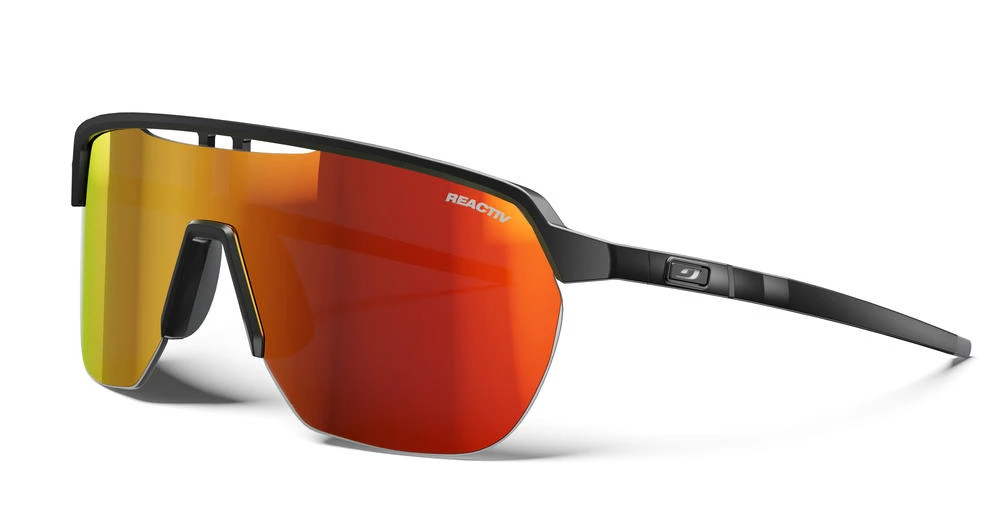
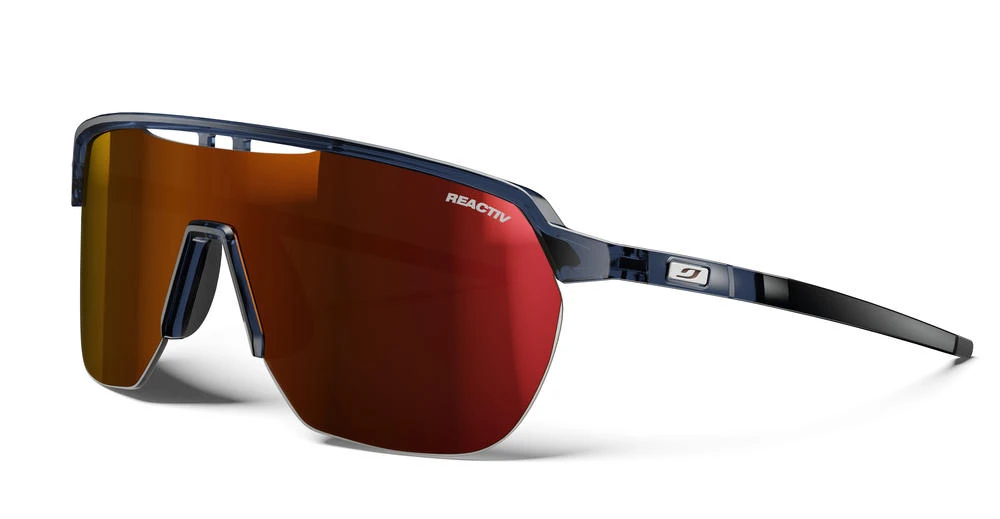
REACTIV 1-3 High Contrast
INTENSITY REACTIV
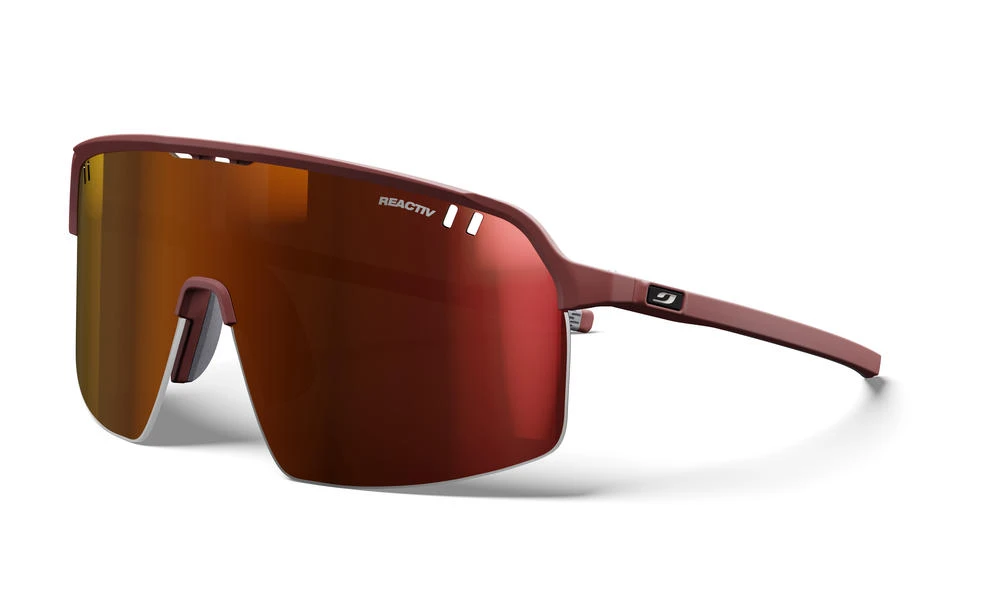
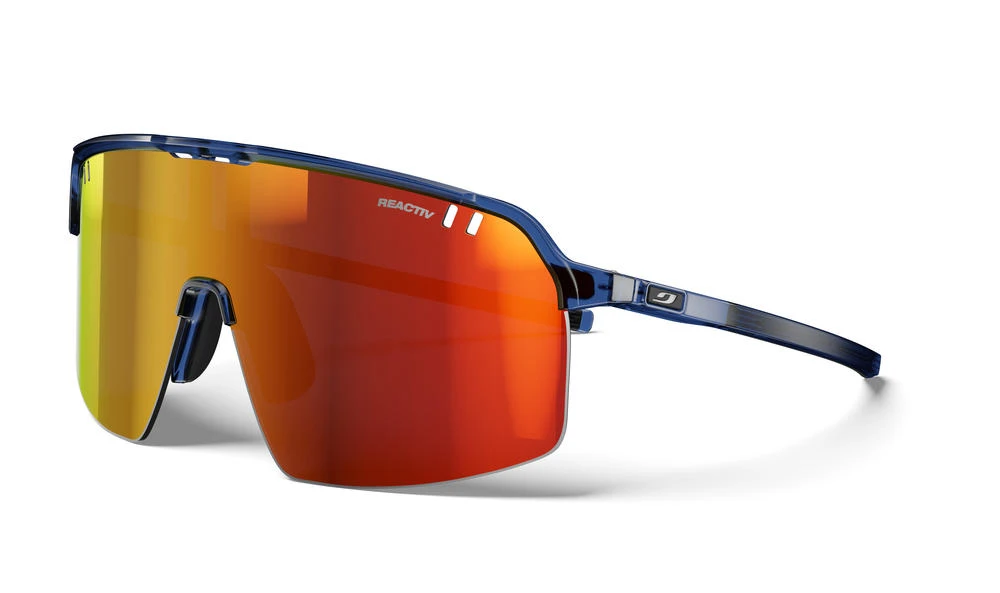
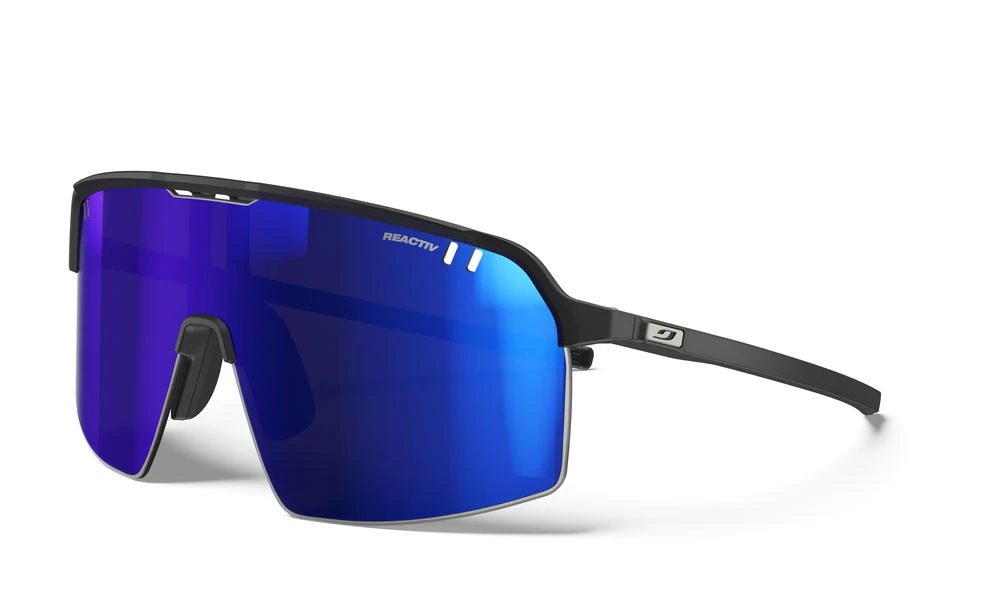
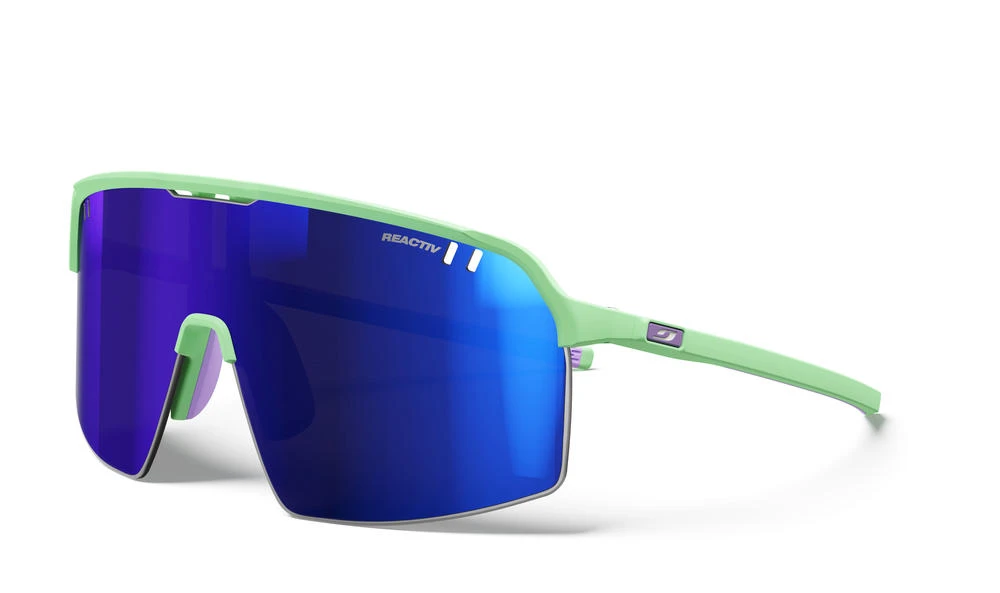
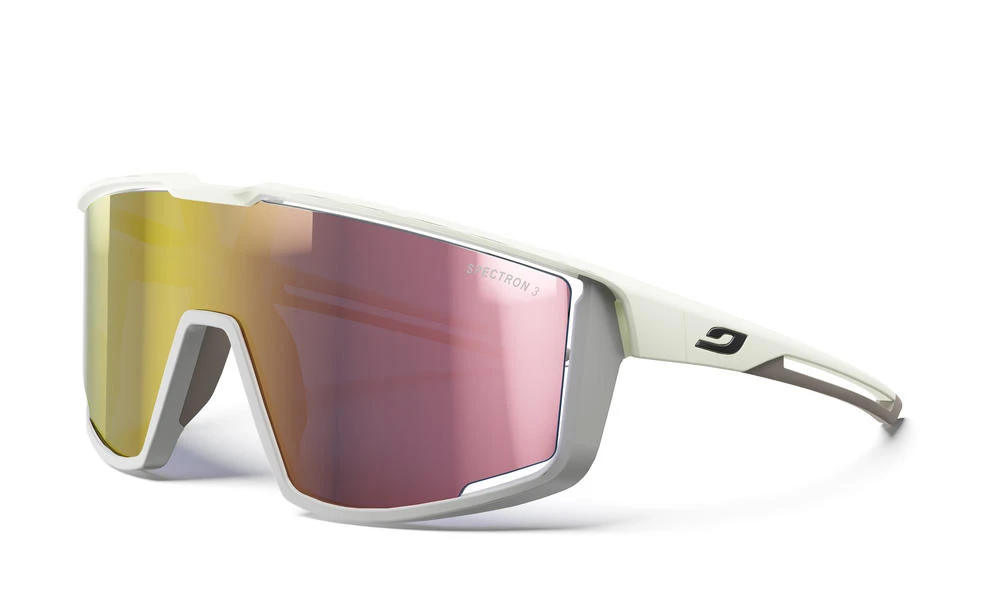
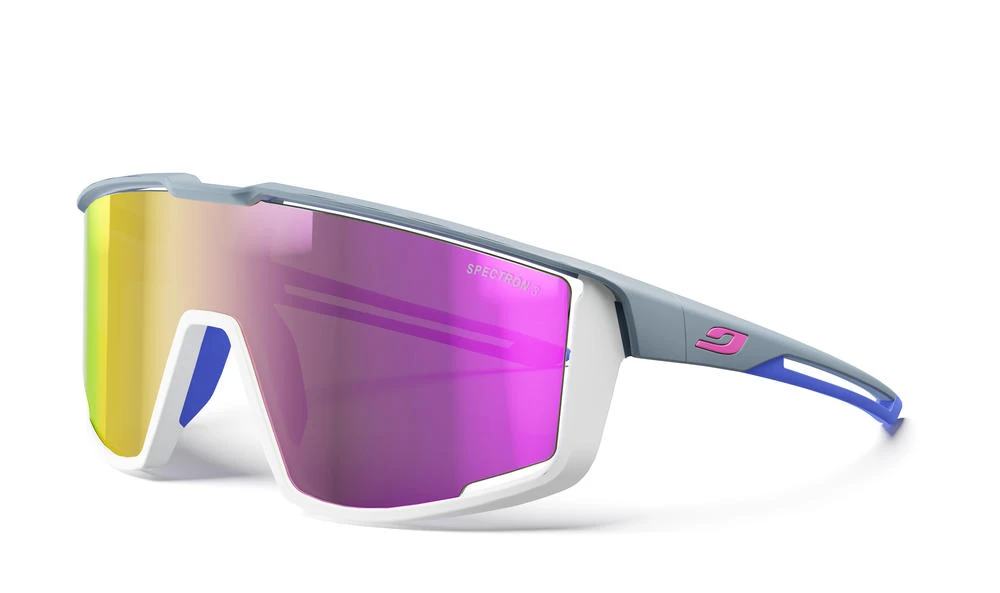
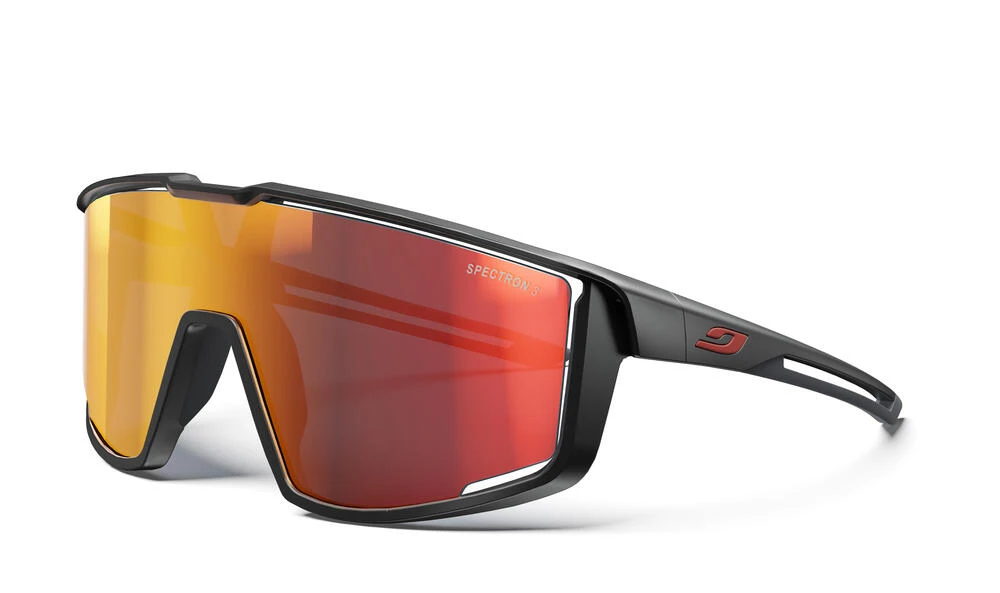
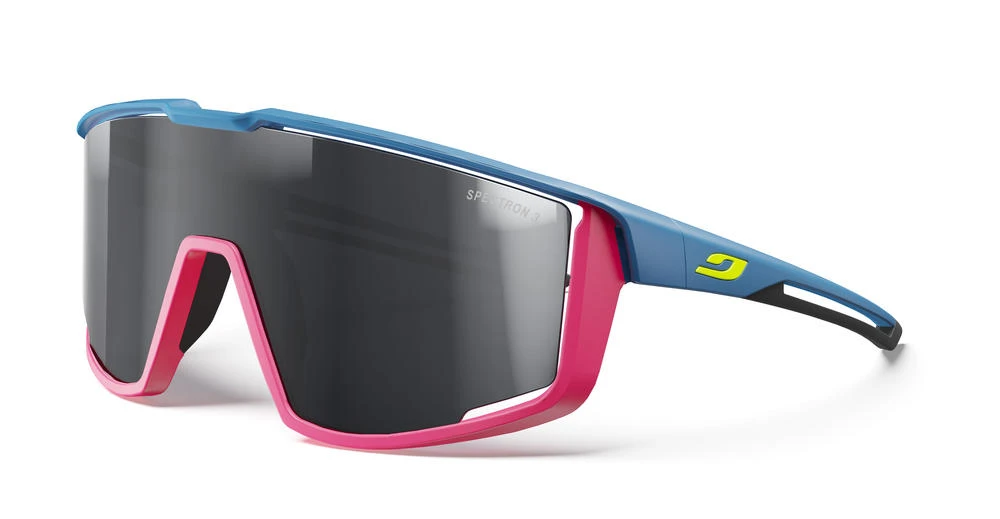
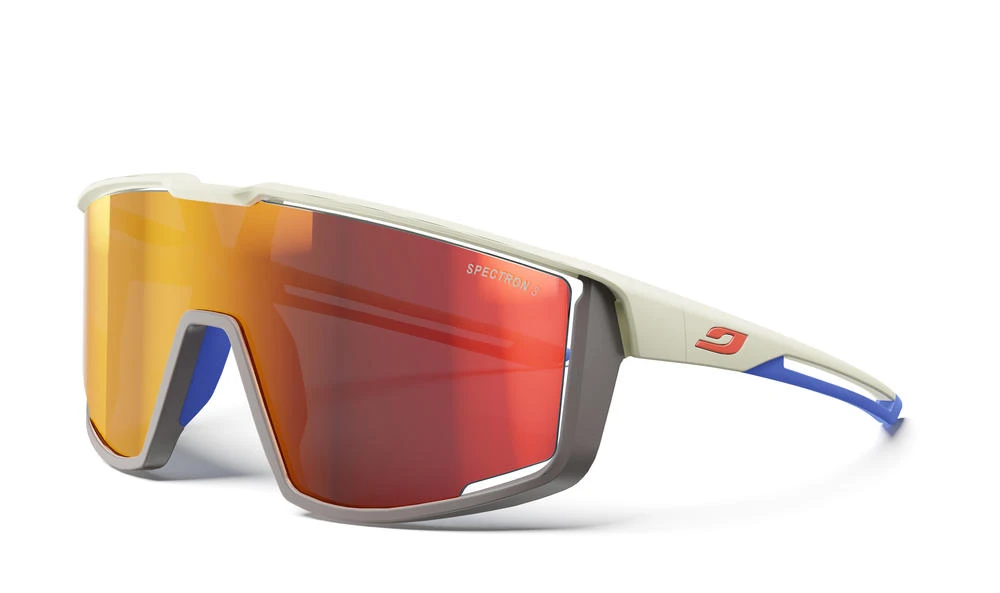
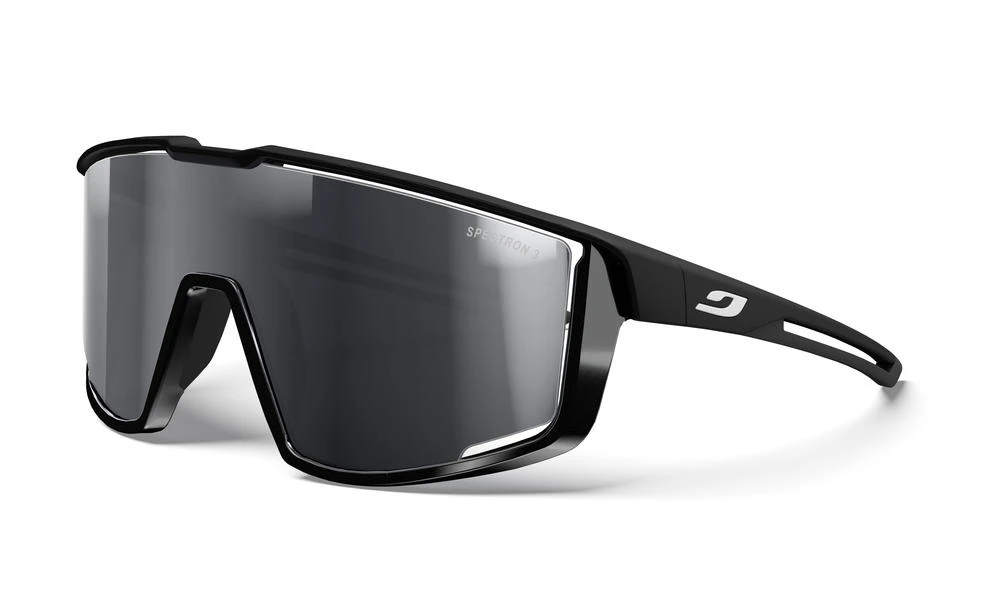
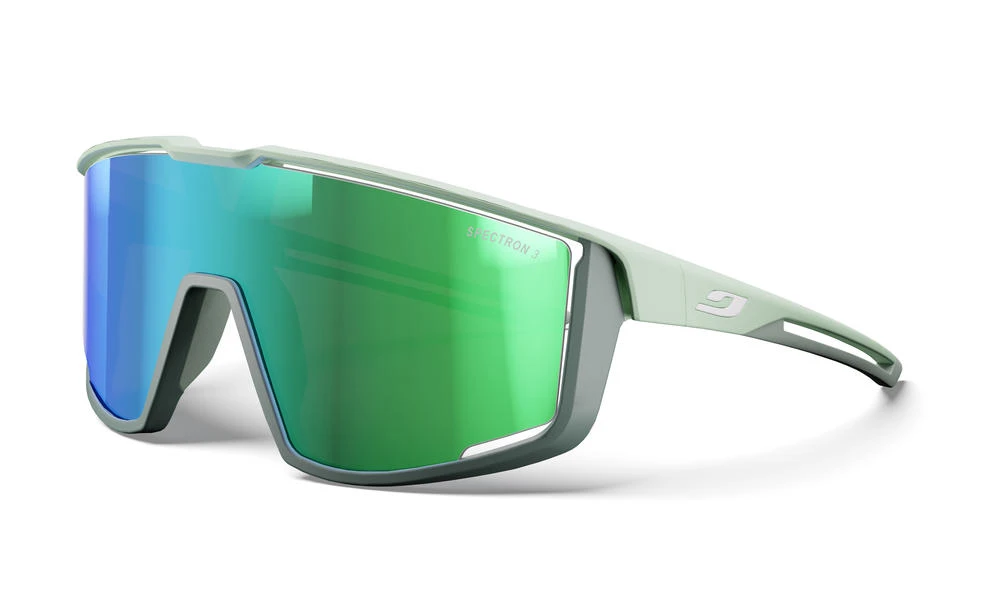
Lightweight and ventilated sunglasses with enhanced grip, perfect for cycling and trail running with high-performance lenses

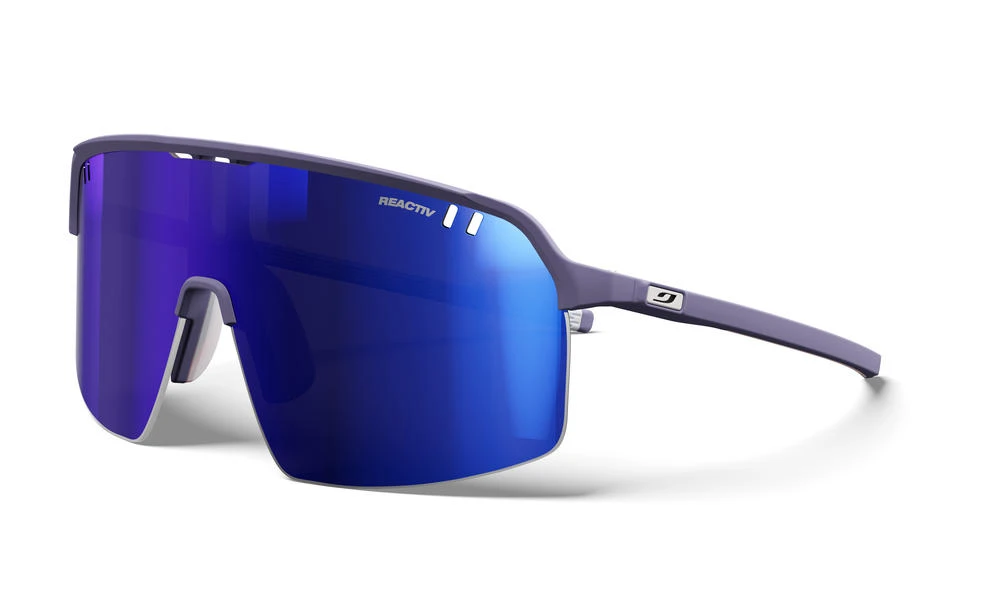
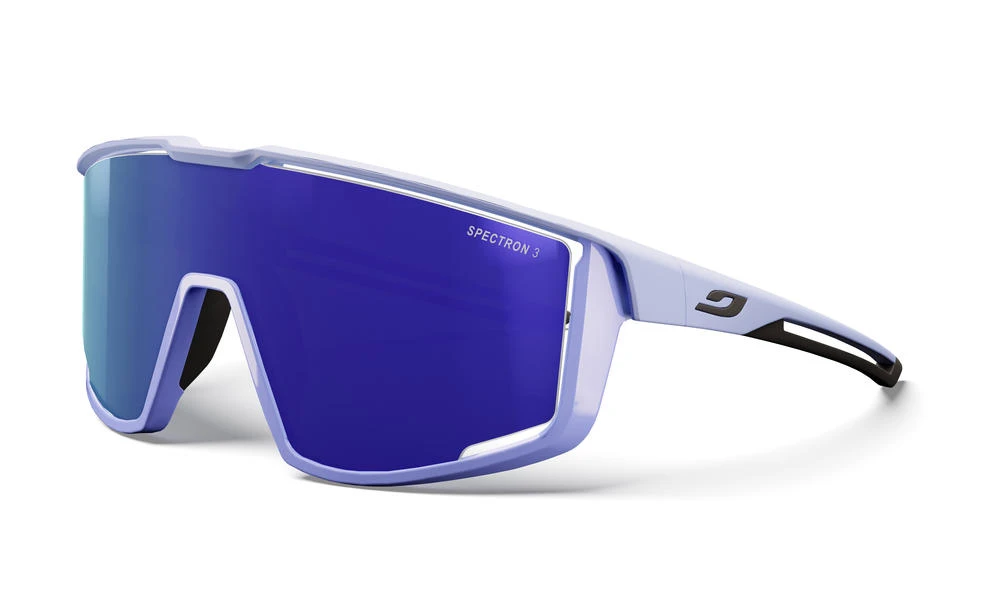
Spectron 3
FURY SPECTRON
Sunglasses for speed sports






Is bike weight a decisive advantage in the Tour?
At the highest level of cycling, every detail can make a difference. Yet specialists agree that bike weight is only one parameter among many. The power produced by the rider, their aerodynamic position, their fitness level, and pacing matter much more than a few hundred grams on the bike itself.
Added to this is the weight of the rider’s equipment, such as the cycling helmet and polarized sunglasses, which must also strike the right balance between lightness, protection, and aerodynamic performance. More broadly, the cyclist’s entire equipment setup is designed and optimized to increase efficiency and improve performance across all types of terrain.
Grand Tour climbers, usually light themselves, benefit more from a lighter bike on ascents. For sprinters and time trialists, frame stiffness and power transfer are more important than pure weight. This illustrates the richness of professional cycling: there is no universal bike, but a multitude of technical solutions adapted to each rider type.
What is certain, though, is that the quest for the lightest possible bike has profoundly transformed the cycling industry. Innovations developed for the professional peloton always end up becoming more accessible, benefiting all road cyclists—from passionate amateurs to weekend warriors.
Key takeaways on Tour de France bike weight
The weight of race bikes used in the Tour de France is governed by a clear rule: at least 6.8 kg, imposed by the Union Cycliste Internationale since 2000. In reality, professional teams hit this threshold thanks to extensive use of carbon fiber for frames, wheels, and components. Far from being just a technical spec, this weight reflects an industry in constant innovation, where every gram saved represents hours of research and design.