What equipment is required when cycling in France?
Putting on your helmet, checking your lights, adjusting your vest: hitting the road on a bike also means accepting a few essential rules. In France, regulations clearly define the required cycling equipment to guarantee the safety of cyclists and all other road users.
Putting on your helmet, checking your lights, adjusting your vest: hitting the road on a bike also means accepting a few essential rules. In France, regulations clearly set out the mandatory equipment for cycling to ensure the safety of both riders and other road users. Here’s everything you need to know to pedal with peace of mind.
What equipment is truly required for cycling?
Cycling means freedom. But with that freedom come responsibilities. The highway code clearly states what accessories every cyclist must have on their bike. Whether you’re in town, on the road, or in built-up areas, this equipment is non-negotiable.
Brakes: the foundation of safe riding
Every bike ridden on public roads must be fitted with two working brakes, one at the front and one at the rear. This is the minimum requirement for keeping control and reacting quickly to other users. A bike without effective brakes simply isn’t allowed on the road.
Lights and reflectors: always stay visible
Visibility is essential for road safety when cycling. When visibility is low, especially at night or in bad weather, cyclists must use a front white or yellow light and a rear red light. These lights let other road users spot cyclists from a safe distance.
As well as active lighting, reflectors are also required. These reflective devices bounce back the light from vehicle headlights and must be fitted in several areas on the bike. You’ll need:
- One red rear reflector;
- Orange reflectors visible on the sides, or tyres with approved reflective strips;
- White or yellow reflectors on the pedals;
- Extra reflectors on the trailer, if you’re towing one.
When visibility is reduced, this equipment can make all the difference between a safe ride and an avoidable accident.
Bell: the small detail that matters
Often forgotten, the bell is still a required piece of cycling equipment. This sounding device allows you to alert pedestrians, other cyclists, and drivers. Simple, light, effective: it’s part of the standard, regulated bike. If your bike doesn’t have one, you risk a fixed fine.
Is wearing a helmet mandatory for all cyclists?
This is one of the most frequent cycling questions. The answer is nuanced, but the logic is clear.
A legal obligation for children
Helmets are required for cyclists or passengers under 12. Whether a child is riding on their own or being carried in a seat or trailer, the helmet must be certified and securely fastened. Failure to comply can result in a fixed fine. The safety of young cyclists starts with their very first ride.
Strongly recommended for adults
For adult cyclists, helmets aren’t legally required. However, they are
strongly recommended by the road safety authorities, and for good reason. In the event of a fall or collision, the helmet absorbs much of the impact’s energy and protects the head decisively. Wearing a helmet is just common sense and can improve both safety and performance: you ride better when you ride protected.
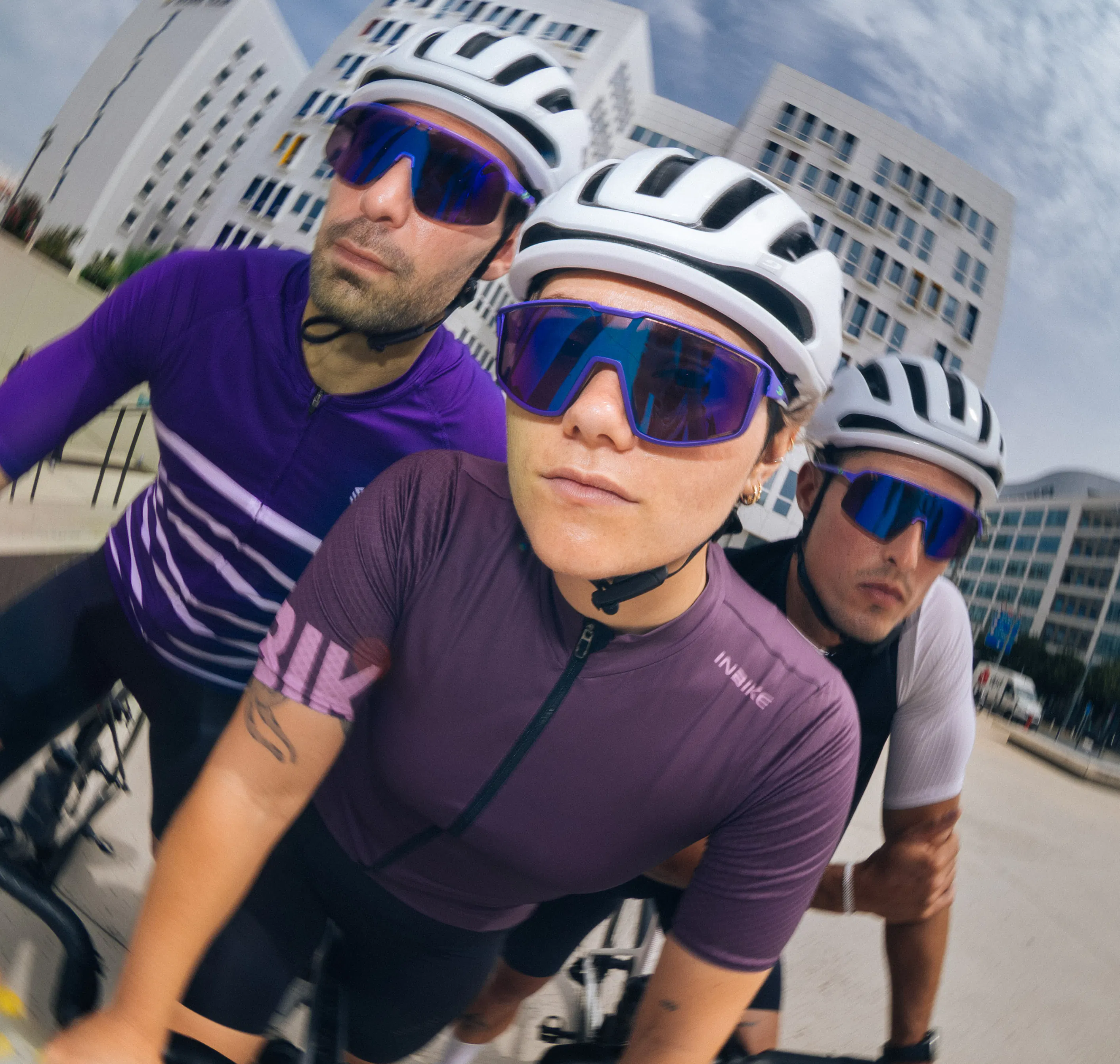
A proper bike helmet must meet strict European standards. It should suit your cycling discipline: a road bike helmet is different from one designed for mountain biking or city riding. Each activity needs its own equipment.
Reflective vest: when and why is it mandatory?
A high-visibility vest comes up often in bike safety discussions — and for good reason. The reflective vest is mandatory when visibility is poor, meaning at night or in bad weather outside urban areas. This vest must be yellow or white with reflective strips.
Outside of these specific conditions, wearing a high-visibility vest is still strongly recommended. It dramatically improves a cyclist’s visibility both day and night, helping to reduce the risk of an accident with other road users. On busy roads, it can truly make a difference.
What extra equipment is strongly recommended for safe cycling?
Beyond legal requirements, cycling safely means thinking about your whole gear kit. Some accessories, while not compulsory, can turn a basic ride into a much safer and more enjoyable experience.
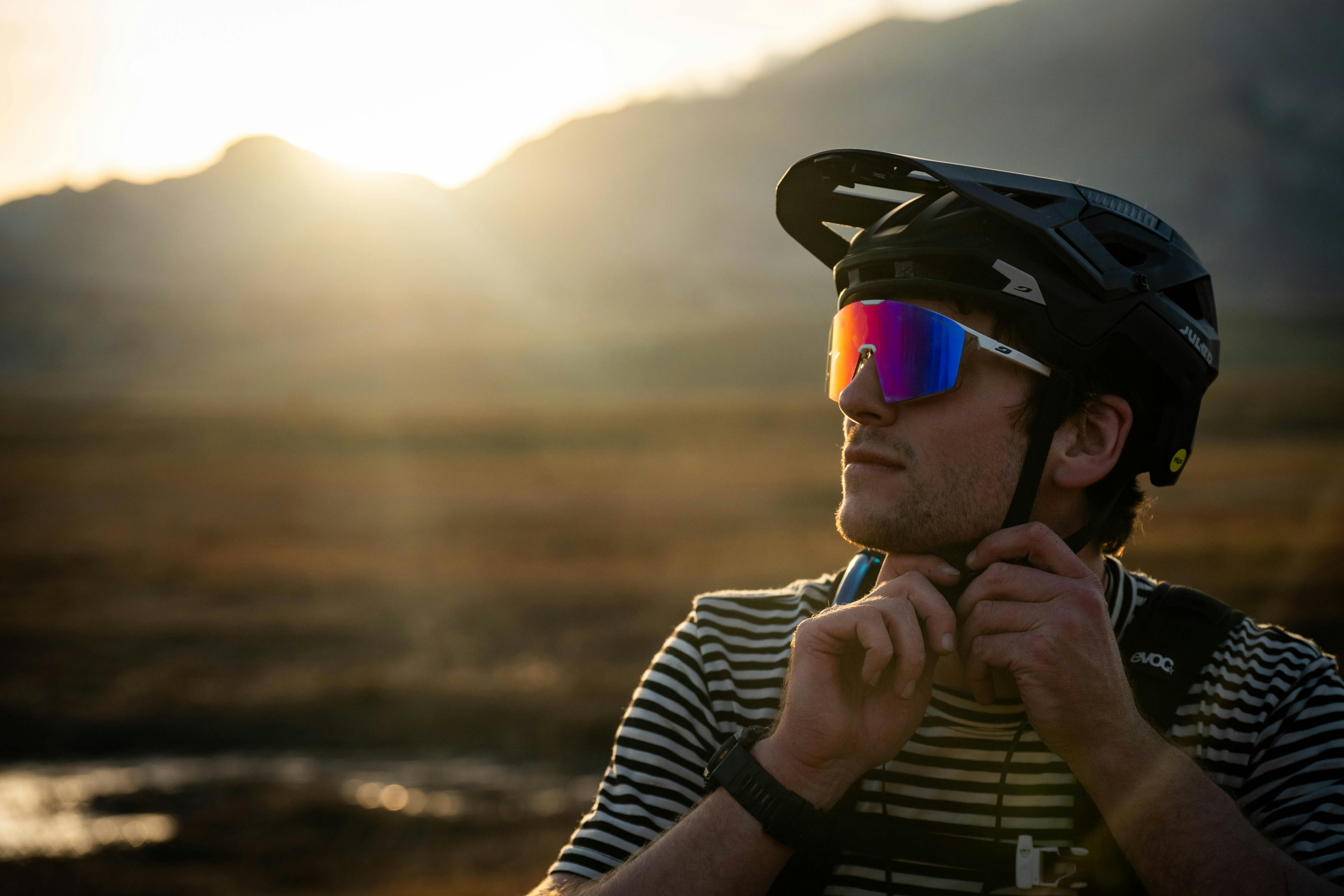
Cycling glasses are one such accessory. They shield your eyes from UV rays, wind, insects, and gravel, keeping your vision clear so you can spot hazards in time. Whether you’re on the road or mountain biking, a good pair of glasses suited to current light conditions is a must for experienced cyclists. Photochromic lenses that adjust to changing light are especially handy for long rides or changing weather.
Gloves protect your hands in a fall and give you better grip. Reflective leg and arm bands further boost your visibility, especially at dawn and dusk. For nighttime or winter outings, technical clothing designed for urban or road cycling can significantly improve comfort and safety.
Electric bikes: do the same rules apply?
Electric bikes, or pedelecs, are subject to the same mandatory equipment requirements as regular bikes: brakes, lights, reflectors, bell, and a reflective vest depending on the conditions. Wearing a helmet is still mandatory for under 12s and strongly recommended for all others. The extra power of an electric bike makes protective equipment even more important: you ride faster, so the risks in case of a fall are higher.
Note that some e-bikes with speeds over 25 km/h are classified as mopeds and have different regulations, with specific rules for equipment and identification.
What should you remember about required cycling equipment?
Riding a bike in France means respecting a clear set of regulations, designed for everyone’s safety. Here are the key things to remember:
- Two working brakes, front and rear, are required on all bikes;
- A front white or yellow light and rear red light are needed when visibility is low;
- Side orange reflectors, rear red and white reflectors on the pedals are required;
- A bell is mandatory as a sounding device;
- A yellow or white reflective vest is required outside built-up areas when visibility is reduced;
- Wearing a helmet is mandatory for children under 12 and strongly recommended for everyone.
Cycling is more than just transport or a hobby: it’s a commitment to yourself and other road users. Having the right equipment means enjoying your ride with freedom, peace of mind, and safety. Because the best ride is always the one you finish in top form.