Ski fall: how can you effectively protect yourself on the slopes?
Taking a ski fall is a reality every skier knows, from the beginner discovering the snow to the experienced skier pushing their limits.

Ski goggles and masks: protecting your eyes in all conditions
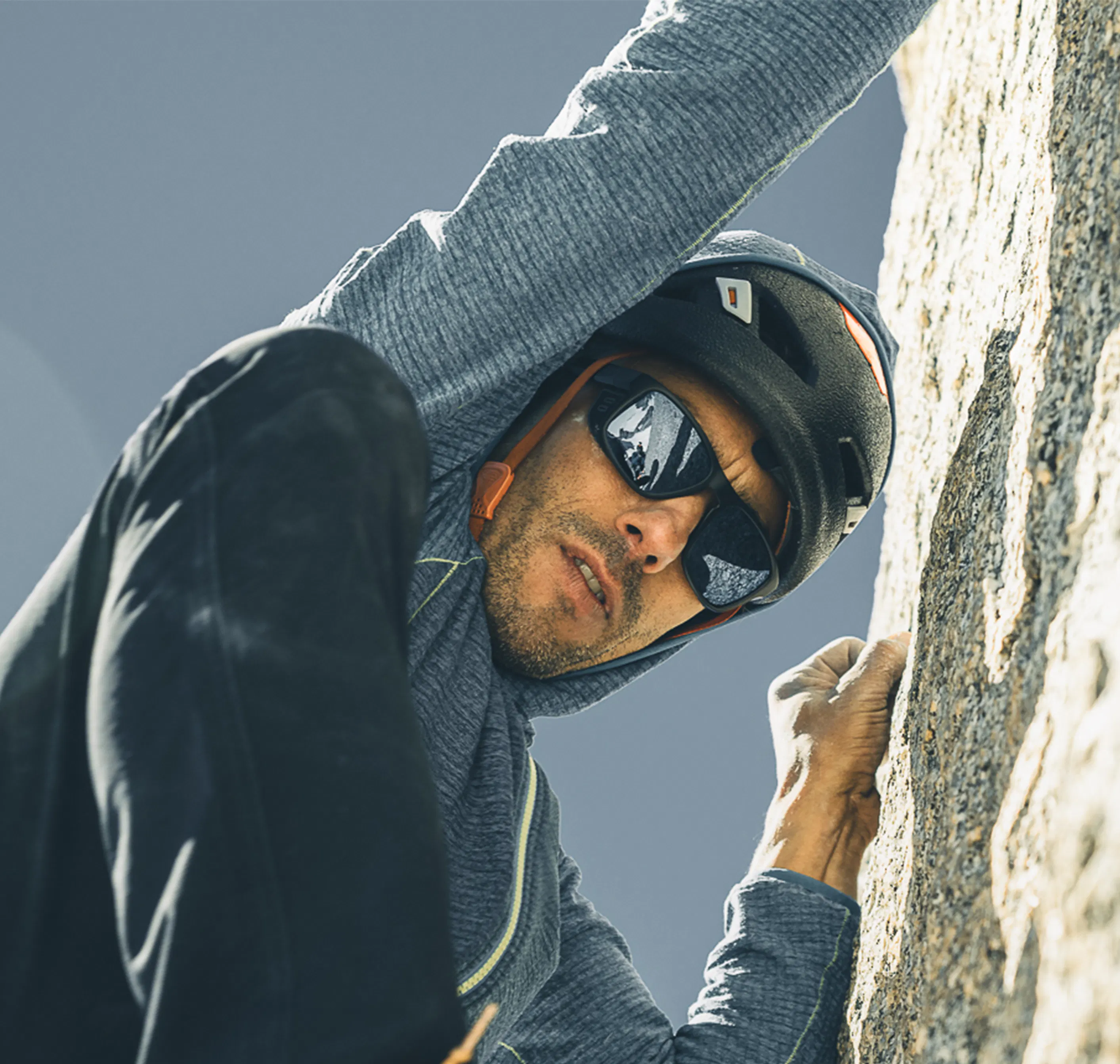
Eye protection is often underestimated. Yet your eyes are subjected to many hazards on the slopes: UV rays intensified by the reflection off the snow, wind, cold, and ice particles propelled during a ski fall or a fast descent. A well-chosen pair of ski goggles or ski mask can make all the difference.
Alpine skiing conditions change constantly. Clear skies in the morning can turn into flat light and overcast in the afternoon, making it hard to read the contours of the terrain and increasing the risk of a ski fall. This is where photochromic lenses come into play. These lenses adapt automatically to light changes, providing optimal vision whatever the weather. Clear vision means better anticipation, resulting in fewer ski falls.
What should you do after a ski fall?
A fall happens. What should you do in the seconds and minutes that follow? The first rule is don’t panic. Take a moment to assess your condition before moving. If you feel sharp pain, particularly in your knee, wrist, or head, remain still and signal your position to other skiers or to the nearest ski patrol member.
If the ski fall seems minor, get up cautiously using your ski poles for stability. Check your equipment: helmet, goggles, bindings. A heavy ski fall can damage a helmet even if the damage isn’t visible. A helmet that has suffered a hard impact must be replaced, even if it looks fine on the surface.
After a ski fall, allow yourself a moment to recover before you head down again. Muscles and joints need a few instants to be ready to perform. It’s also a good time to regain your confidence, to visualize the rest of the run, and to set off again with a fresh outlook on your skiing.
How can you reduce the risk of a ski fall on the slopes?
The best protection against ski falls is prevention. A few simple habits can greatly lower your risks while enhancing your enjoyment of the slopes.
Adapting your approach to the conditions is crucial. Conditions change with the weather, time of day, and slope traffic. Snow transformed by the end of the day is much more treacherous than fresh powder in the morning. Choose slopes appropriate for your ability, obey FIS rules, and stay alert to your environment—these are reflexes acquired with experience.
Warming up is also often overlooked. Cold muscles react more slowly and less effectively. Taking five to ten minutes to warm up before putting on your skis prepares your body for effort and reduces the risk of injury in the event of a ski fall.
Finally, equipment maintenance plays a key role. Well-sharpened edges provide better grip on hard and icy snow. Properly adjusted bindings release at the right time during a ski fall, protecting your knees. Well-maintained equipment is equipment that truly protects you.
Key takeaways
Ski falls are part of learning and even regular practice. They shouldn’t be a source of anxiety, but a sign to improve and be better prepared. Whether you are a beginner or experienced skier, whether cruising family slopes or dreaming of intense descents like those in the Winter Olympics, protection remains the top priority. A certified helmet, goggles suited to the conditions, a mastered falling technique, and well-tuned gear: these are the foundations of a successful season from the first run to the last.
Skiing means facing the mountain with passion and humility. It means accepting the snow’s own rules, and preparing for them wisely. Every outing on the slopes is a new adventure—best to experience it with every advantage on your side.
Which protective equipment lowers the risk of injury?
The right equipment can make the difference between a harmless ski fall and serious injury. A helmet is now standard for every responsible skier. Modern helmets are lightweight, well-ventilated, and offer optimal protection without compromising comfort. Make sure it fits perfectly—the helmet should sit firmly, without causing pressure.
High-quality ski goggles do more than protect from UV—they also improve visibility in difficult lighting. Photochromic lenses adjust automatically to changing light and ensure optimal vision, from a shaded forest trail to a sunny mountain peak. Clear sight helps you see hazards early and avoid accidents and ski falls.
Back protectors are increasingly important, especially for sporty skiers and off-piste. They shield the spine during backward ski falls and can prevent severe back injuries. Modern protectors are flexible and mold to the body, ensuring freedom of movement isn’t restricted.
How do you best prepare for ski season?
Preparation for ski season starts well before your first descent. Skiing works your whole body—from leg muscles through your core to your arms. Targeted training in the fall not only sharpens your technique, but also significantly reduces injury and ski fall risk.
Focus on exercises that build strength, endurance, and coordination. Squats, lunges, and planks strengthen key muscle groups. Balance exercises on unstable surfaces train the small stabilizers that skiing constantly engages. Your equipment deserves attention too: have a professional check your bindings and sharpen your edges.
On ski day, take time for a thorough warm-up. Start with easy runs on gentle slopes and build up gradually. Listen to your body—if your thighs are burning or your concentration fades, it’s time for a break. Regular rests, hydration, and small snacks keep you alert and ready for the next run.
Safe throughout your ski day: what can you do yourself?
Every skier has a responsibility—for themselves and for others on the slopes. Always ski within visibility and adjust your speed to the conditions. At blind spots, intersections, or in poor visibility, reduce your speed significantly. Overtake with a wide berth and signal vocally when necessary.
The FIS code of conduct is more than recommendations—they are the foundation for safe coexistence on the slopes. Respect and consideration create an environment where everyone can enjoy their ski day. Remember: a controlled skiing style isn’t a sign of weakness, but of skill and responsibility.
The mountains are calling and the snow is sparkling—with the right preparation and equipment, nothing stands in the way of your perfect ski day. Enjoy your freedom on the slopes, but never forget: safety comes first. Only those who reach the valley safe and sound can already look forward to their next ski day.