Trail gear: What do you really need out in the wild?
Across rocks and roots, through forests and mountain paths—trail running is much more than just a sport.
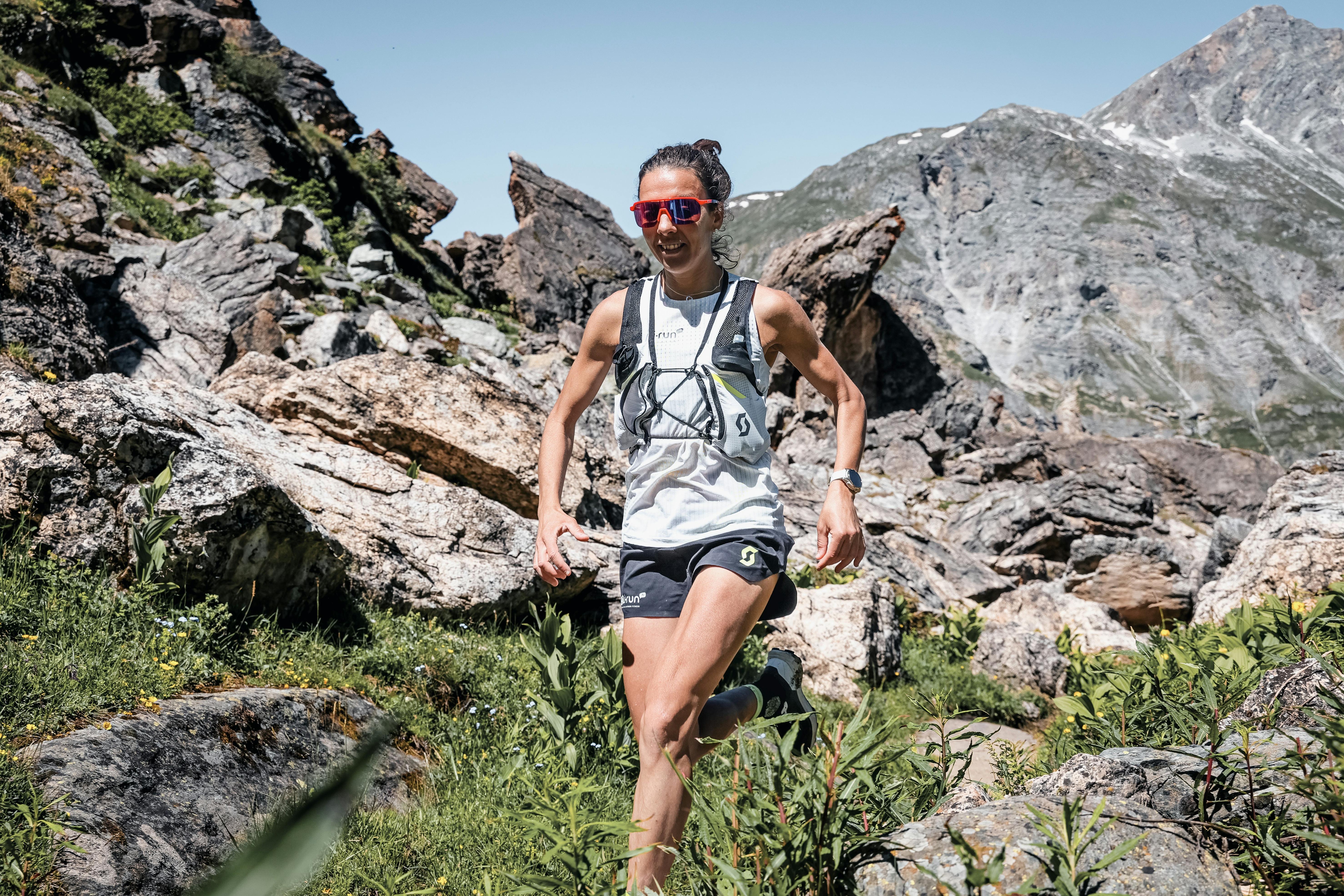
Across rocks and roots, through forests and mountain paths—trail running is much more than just a sport. It's an invitation to reconnect with nature, awakening all your senses. But to run off the beaten path, you need the right trail gear. No more, no less. This guide will help you identify the essentials of trail running equipment and make the right choices when shopping.
What basic trail gear do you need to get started?
The basics of trail gear are simpler than you might think. Running on trails means focusing on functionality, lightness, and reliability. If you’re new to trail running, there’s no need to buy everything at once—but some gear is simply indispensable.
Trail shoes: the foundation of your kit
Trail running shoes are the cornerstone for adventures off-road. Unlike standard running shoes, they have lugged outsoles to provide grip on rough terrain. They protect your feet from rocks, roots, and wet ground. When buying, pay attention to the lug depth: for soft and muddy ground, choose shoes with deep treads; for rocky or hard surfaces, opt for a flatter sole. In mountain conditions, good midfoot support ensures safety and stability on technical slopes.
Trail clothing: light, technical, and weather-appropriate
With trail running, the goal is lightness and performance. Your clothes should adapt to changing weather. A breathable T-shirt, shorts or tights, and a sleeveless jacket form the basics. But mountain weather changes quickly: a windproof and water-repellent jacket should always be in your pack—even in summer.
The layering system (or “onion technique”) is the secret to comfort on the trail. Stack several thin layers that you can add or remove as the temperature changes. The first wicks away moisture, the middle insulates, the last shields from wind and rain. This is how to stay comfortable on every route.
For a complete trail running kit, you also need:
- Running or compression socks to prevent blisters and support muscles ;
- Gloves for chilly mornings or cold weather ;
- A buff or headband, a versatile companion for changing conditions ;
- A light cap or beanie to protect from sun or cold.
What gear adds more safety and comfort on the trails?
Once you’ve got the basics, the question is: what makes the difference between an average outing and an outstanding trail experience? It’s the details in your trail gear. Some items aren’t just about comfort—they’re vital for safety.
The trail pack: more than just a container
A good trail pack is not an ordinary backpack. It hugs your body, doesn’t bounce, and is easy to open. For a short loop, a belt or a small vest with one or two soft flasks is enough. For longer runs, choose an 8- to 16-liter pack: you’ll be able to carry snacks, a mini first-aid kit, a survival blanket, and spare clothes.
Hydration is crucial in trail running. Missing out on drinking is risky for both performance and health. Soft flasks, positioned near the straps, allow you to drink without stopping. You can also go for a hydration bladder with a tube you can access on the go.
Trail sunglasses: a protection not to overlook
When thinking about your trail gear, you often forget sunglasses. Yet protecting your eyes is vital. UV rays, branches, insects, dust, and changes in brightness are real hazards on the trail. Sun exposure increases at altitude.
Good trail glasses should be lightweight, offer great fit, and adapt to changing light. The difference from regular sunglasses is clear on technical trails: photochromic lenses, which automatically adjust their tint, are invaluable for moving between shadow and sunlight. Visual comfort is improved, so you can focus on what matters: the trail ahead.
When choosing trail glasses, make sure they stay stable on your face even when you sweat, have a light frame, and offer effective UV protection. If you need prescription lenses, choose solutions compatible with your eyesight to avoid sacrificing comfort or safety out on the paths.
Poles: useful or unnecessary for trail running?
Using poles in trail running has nothing to do with weakness. They relieve the knees on descents, provide stability on technical terrain, and help get your arms working on the climbs. For short, flat trails they aren’t essential. But in the mountains or on long-distance events—especially ultras—the difference is clear. Lightweight, foldable models slide easily into your pack, keeping them handy.
Extra safety gear: what else should you pack for trail running?
If you’re heading for a long run or heading into remote trails, adjust your trail gear: safety must come first, whether competing or training.
A headlamp is essential for any length of run if you might be caught out after dark. Modern models are light, powerful, and last for hours. For trail runs at dusk or at night, add reflective elements to your clothing.
Hydration and first aid are the finishing touches. Energy bars, gels, and salt tablets help fuel your effort. A mini first-aid kit with plasters, a survival blanket, and a whistle can save the day if something goes wrong. For official competitions, there’s often a list of mandatory gear—this is a good standard to stick to, even in training.
What precautions should you take when picking out trail gear?
When buying trail running gear, don’t go for the cheapest—look for the best balance of quality, weight, and function. If something lets you down, it’ll cost—in energy, comfort, and sometimes in safety.
The more you run, the more you’ll want to invest. If you only do short outings, there’s no need for ultra-endurance gear. Your running style determines your needs. The most important thing is having gear adapted to your body type and stride. Always try shoes on (with your usual socks!) and test loaded packs before buying.
Prioritizing quality is an investment in durability. A good product will last for several seasons, while cheap alternatives often wear out quickly. For all enthusiasts, trail gear is above all an investment in the experience—and safety—on the trails.