What to pack for a day hike? The ultimate day hike gear list for your next outdoor adventure
Ready to answer the call of the wild and set out on an adventure? A well-prepared day hike gear list is key for a successful outing.

Whether you're planning a short day hike or a multi-day adventure, having the right day hike gear list ensures you have a memorable experience outdoors. Let's discover together what you should bring before lacing up your boots and heading out on the trail.
What clothing is essential for your day hike gear list?
The right clothes make all the difference between an enjoyable hike and a challenging one. The layering system remains a must: several thin layers offer more flexibility than one bulky jacket, allowing you to adjust your outfit as temperatures or effort levels change.
Start with technical underwear made from moisture-wicking, breathable materials. Avoid cotton, which holds moisture and dries slowly. Add a technical t-shirt and then a lightweight fleece or sweater. For the outer layer, opt for a waterproof, windproof jacket to handle changing weather.
For your legs, choose hiking pants made of tough, quick-drying fabric. Some can convert to shorts with zippers—handy if it gets warm. Don't forget your feet: hiking socks with reinforced heels and toes help prevent blisters.
Head protection is often overlooked. A hat or cap shields you from the sun and helps retain warmth. Even in summer, pack a pair of gloves in your bag: it can get chilly at higher elevations.
Why are hiking boots so important?
Boots are the foundation of every day hike gear list. They provide support and stability on any terrain, protecting your feet from injury. Investing in the right pair makes a huge difference—your feet will thank you after hours on the trail.
When buying boots, make sure they fit perfectly. Try them on at the end of the day when your feet are a little swollen. You should have about a thumb's width of space between your toes and the tip of the boot. Leather is durable, but modern synthetics are lighter and dry faster.
Choose a sole with deep lugs for traction on all surfaces. Cushioning in the midsole helps absorb shock on longer hikes. Go for high-cut boots for extra ankle support, especially with a heavy pack or on rough terrain.
Break in new boots before your main hike. Wear them around the house and on short walks to avoid blisters and surprises.
Selecting the right backpack for your day hike gear list
The right backpack is more than just a way to carry your things: it becomes a true partner mile after mile. For day hikes, a capacity of 20 to 30 liters is usually enough. For longer treks, aim for 40 to 60 liters.
Comfort is crucial: choose wide, padded straps, a properly positioned hip belt to transfer weight to your hips, and a chest strap for stability. That way, you protect your back and shoulders.
Modern packs often have a ventilated back panel—great on steep climbs. Handy features make a big difference: side mesh pockets for water bottles, a separate compartment for a rain cover, attachment points for trekking poles, and more.
To pack efficiently, place heavy items close to your back and in the middle. Light items go at the bottom, medium-weight items toward the top. Keep essentials you'll use often (sunscreen, map, snacks) in easily accessible outer pockets.
How to manage food and water on a hike?
Planning your meals is a key part of any day hike gear list. Water is vital: pack at least two liters per person for the day—more if it's hot or the trail is tough.
For energy, bring filling but easy-to-digest foods: whole-grain bread, cheese, lean ham, dried fruit, and nuts. Cereal or energy bars are great to stash in a pocket for when you need a quick boost. Apples and bananas add vitamins and hydration.
Plan regular breaks to eat and drink—don’t wait until you're hungry or thirsty. Snack every hour or two to keep your energy up. On longer hikes, a small gas stove and dehydrated soup can provide a much-needed warm break.
Remember to respect nature: everything you bring with you should leave with you. Carry a small trash bag—responsible hikers never leave a trace.
What else should be on your day hike gear list?
Beyond clothing, boots, and food, a few key items should always be on your day hike gear list. A detailed map and compass—or a GPS—are essentials for navigation, even on marked trails or in cloudy weather.
Always pack a small first aid kit with plasters, blister pads, bandages, disinfectant, and your personal medication. An emergency blanket is lightweight and could save your life in an unexpected situation.
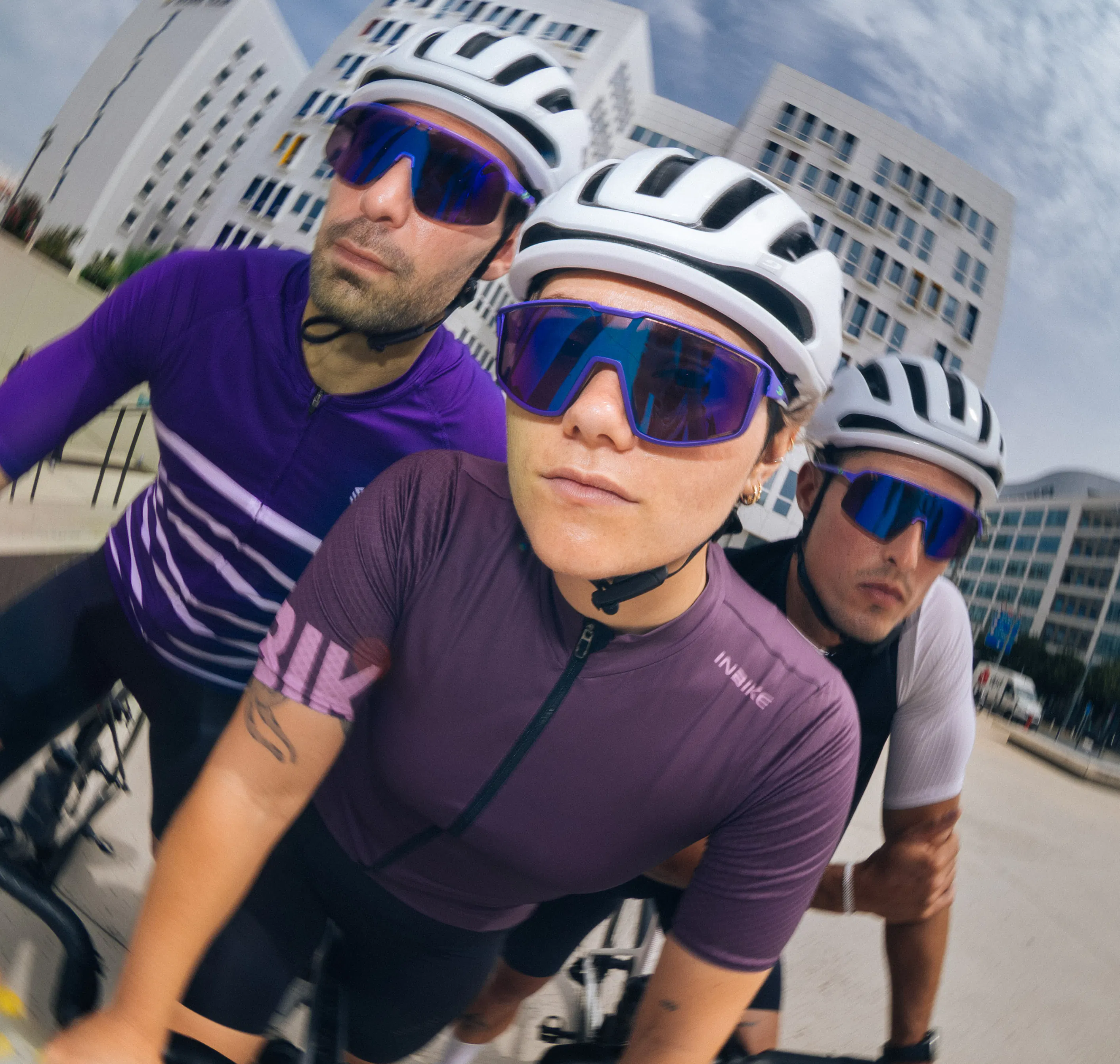
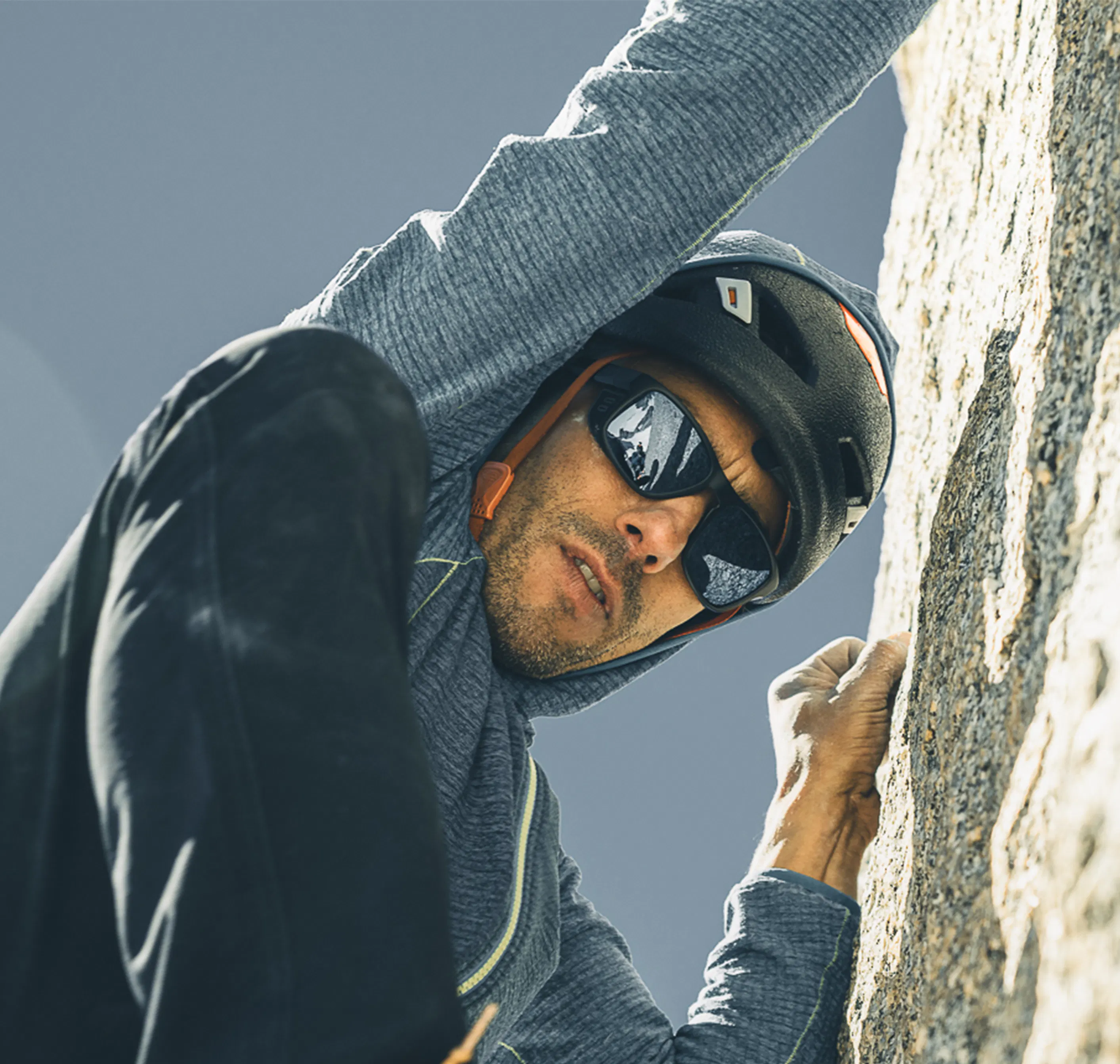
Sun protection matters too: high-SPF sunscreen and good sunglasses are must-haves, even on overcast days or moderate altitudes. Modern sports sunglasses with special lenses provide extra clarity on the trail while shielding your eyes.
Other handy accessories to add to your day hike gear list:
- Multi-tool for unexpected fixes
- Headlamp with spare batteries for early starts or surprises
- Trekking poles to protect your knees on descents
- Rain cover for your backpack
- Seat pad or foam mat for comfy breaks
- Binoculars for spotting wildlife and scenery