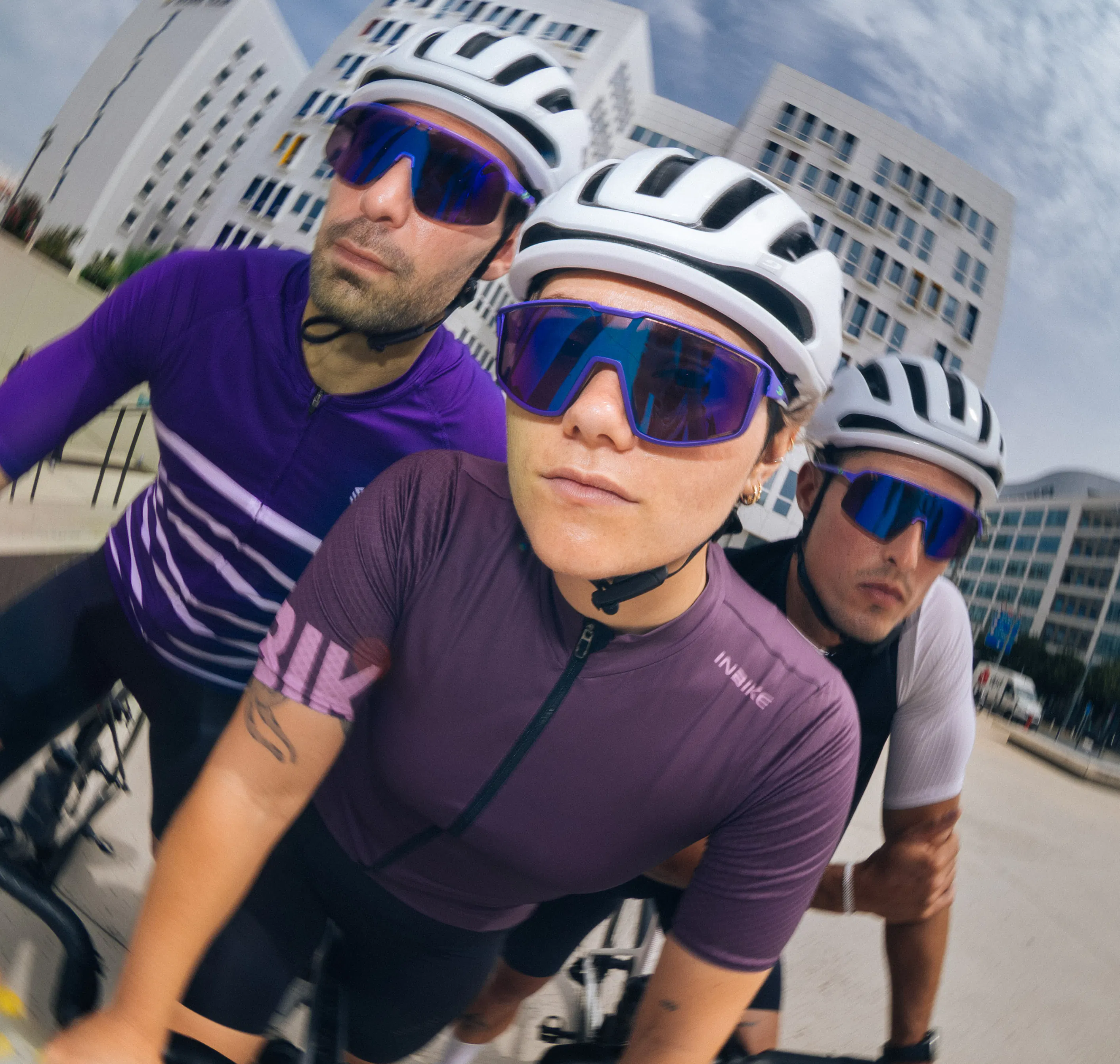
Polarized lenses: What are the disadvantages for your sunglasses?
Polarized lenses represent a major innovation in the world of sunglasses, offering optimal protection against glare and reflections.

However, despite their many advantages, these lenses do have certain limitations that are important to consider before making your choice. Whether you’re a sports enthusiast, frequent driver, or simply looking for the best eyewear for your eyes, understanding the disadvantages of polarized sunglasses will help you make an informed decision based on your specific needs.
How do polarized lenses work and why can they cause issues?
Polarized lenses contain a special filter that blocks horizontally reflected light, thus reducing glare caused by reflective surfaces such as water, snow, or asphalt. This technology greatly improves visual comfort and detail perception in many situations. However, this same filter can create unexpected difficulties under certain conditions.
The principle of polarization is based on the orientation of light waves. When sunlight strikes a flat surface, it reflects primarily in a horizontal direction, creating that unpleasant glare we all know. Polarized lenses act as a selective barrier, allowing only vertical light through while blocking horizontal rays. While this feature offers better visibility in most cases, it can also obscure some important elements in your environment.
In low-light conditions, polarized lenses may further reduce the amount of light reaching your eyes, making vision more challenging. This loss of brightness can be particularly problematic during activities that require precise perception of contrast and terrain features.
What are the main challenges when using LCD screens?
One of the most frequently encountered disadvantages of polarized sunglasses is trouble reading LCD screens. Whether it’s your phone, smartwatch, or digital vehicle dashboard, these screens can become difficult—or even completely black—depending on the viewing angle.
This incompatibility occurs because LCD screens also use a form of polarization to display images. When you wear polarized sunglasses, the interaction between the two filters can completely block light transmission. By slightly tilting your head or the device, you may sometimes regain partial visibility, but this constant maneuvering can quickly become inconvenient and increase eye fatigue.
Professionals who rely on digital devices, pilots using navigation instruments, or even drivers checking their GPS may find this limitation especially bothersome. In such cases, non-polarized lenses or blue light blocking glasses can be a better choice to maintain clear vision of all your screens while still protecting your eyes from UV rays.
Why can winter sports be problematic with polarized lenses?
Paradoxically, while polarized lenses excel at reducing glare on snow, they can also present risks in certain skiing or other winter sports scenarios. The ability of these lenses to eliminate reflections may make it harder to perceive ice patches, bumps, or subtle changes in snowy terrain.
On the slopes, light reflected off the snow naturally helps us identify changes in texture and potential hazards. By removing these visual cues, polarized lenses may hide crucial information needed for your safety. Experienced skiers often notice that terrain perception becomes less precise, particularly in flat light conditions when an overcast sky blends with the snow.
For outdoor mountain activities, choosing between polarized and non-polarized lenses depends on your priorities:
- If you want to reduce eye fatigue during long sunny days, polarized lenses remain an excellent choice;
- If you’re seeking optimal perception of terrain features and hazards, especially in changing conditions, REACTIV photochromic lenses can offer a more versatile alternative;
- For intensive use where accurate terrain reading is essential, non-polarized lenses with outstanding UV protection are often the best compromise.
In what other situations do polarized lenses show their limits?
Beyond screens and winter sports, several everyday situations can reveal the disadvantages of polarized sunglasses. Driving, for example, brings specific challenges. Although these lenses efficiently reduce glare from the sun on your hood or wet asphalt, they can also block reflections on other vehicles’ windshields, making it harder to judge distances and detect other road users.
Professionals in certain fields may also experience difficulty. Photographers using polarizing filters on their cameras, pilots reading specific instruments, or architects working with reflective materials often choose non-polarized lenses to work in optimal conditions.
In urban environments, glass surfaces of buildings, shop windows, or even certain types of flooring can produce confusing visual effects with polarized lenses. These surfaces may appear to show rainbow patterns or unexpected dark zones, disrupting your daily visual experience.
How to choose between polarized and non-polarized lenses for your needs?
Given these advantages and disadvantages, your choice of sunglasses should match your lifestyle and main activities. Polarized lenses provide exceptional protection against glare and reduce eye strain during lengthy exposure to reflective surfaces. They remain highly recommended for sailing, fishing, or waterfront activities where reflections are a primary concern.
However, if your daily life often involves using digital devices, regular driving, or sports that require precise perception of terrain features, non-polarized lenses with optimal UV protection may better suit your needs. The most important thing is still to protect your eyes from harmful UV rays, whether your lenses are polarized or not.
For those looking for versatility, some innovations now combine various technologies. Photochromic lenses, for example, automatically adapt to lighting conditions without the drawbacks of polarization. Other solutions include specific anti-reflective coatings or variable tints depending on light intensity.
Your final choice will depend on the balance of protection, comfort, and functionality you want. Don’t hesitate to try different lens types in real conditions during your sporting activities or daily routine. After all, the best sunglasses are those that efficiently accompany you through all your adventures, offering you the clearest and most comfortable vision possible, whatever the conditions.