The Ultimate Hiking Essentials List: Everything You Need for a Successful Hike
Preparing for a trek starts long before you take your first step on the trail.

A well-thought-out hiking essentials list is the difference between a pleasant adventure and a trek where you regret forgetting or poorly choosing your gear. Discover which items are essential in your backpack and how to distribute the weight effectively.
Why is having the right hiking essentials list so important?
Imagine: you're in the middle of the mountains, under a blazing sun, and your sunscreen was left at home. Or the temperature drops sharply at night and your sleeping bag isn’t warm enough. Such situations can quickly turn your trek into a nightmare. That’s why a carefully prepared hiking essentials checklist is absolutely crucial.
Having the right gear is as much about comfort as it is about safety. On a trek, you’re often self-sufficient for several days, so you need to bring what’s necessary without overloading your backpack—every gram matters when you’re carrying everything yourself.
A complete hiking essentials list lets you forget nothing important while leaving out the superfluous. That way you can focus on what really matters: the adventure and the beauty of the surrounding nature.
Basic gear: what are the must-haves in your pack?
The backpack is the centerpiece among your hiking essentials. It needs to be comfortable, have the right volume, and be as light as possible. For multi-day treks, go for a 50–70 liter model with a good suspension system, padded shoulder straps and waistbelt, and effective back ventilation.
A quality sleeping bag and suitable sleeping pad are essentials for restful nights. Choose your sleeping bag based on the season and forecast temperatures. A good sleeping pad will insulate you from ground chill and improve sleep comfort.
Your tent should be lightweight, sturdy, and weather-resistant. For trekking, pick a compact one- or two-person model that’s quick and easy to pitch, and weighs no more than two kilograms.
A reliable headlamp is an absolute hiking essential. It leaves your hands free and keeps you safe even in the dark. LED lamps are particularly lightweight, have impressive battery life, and offer several lighting modes for different situations.
What clothing and protection should you bring?
The layering system is the most effective technique: several thin layers adapt better to changing weather than a single thick garment. The first layer wicks moisture, the second keeps in warmth, the outer layer protects you from wind and rain.
Hiking boots are the most crucial clothing item. They should be well worn-in, provide good support, and be waterproof. Also pack lightweight shoes as a backup—your feet will thank you after a long day’s hike.
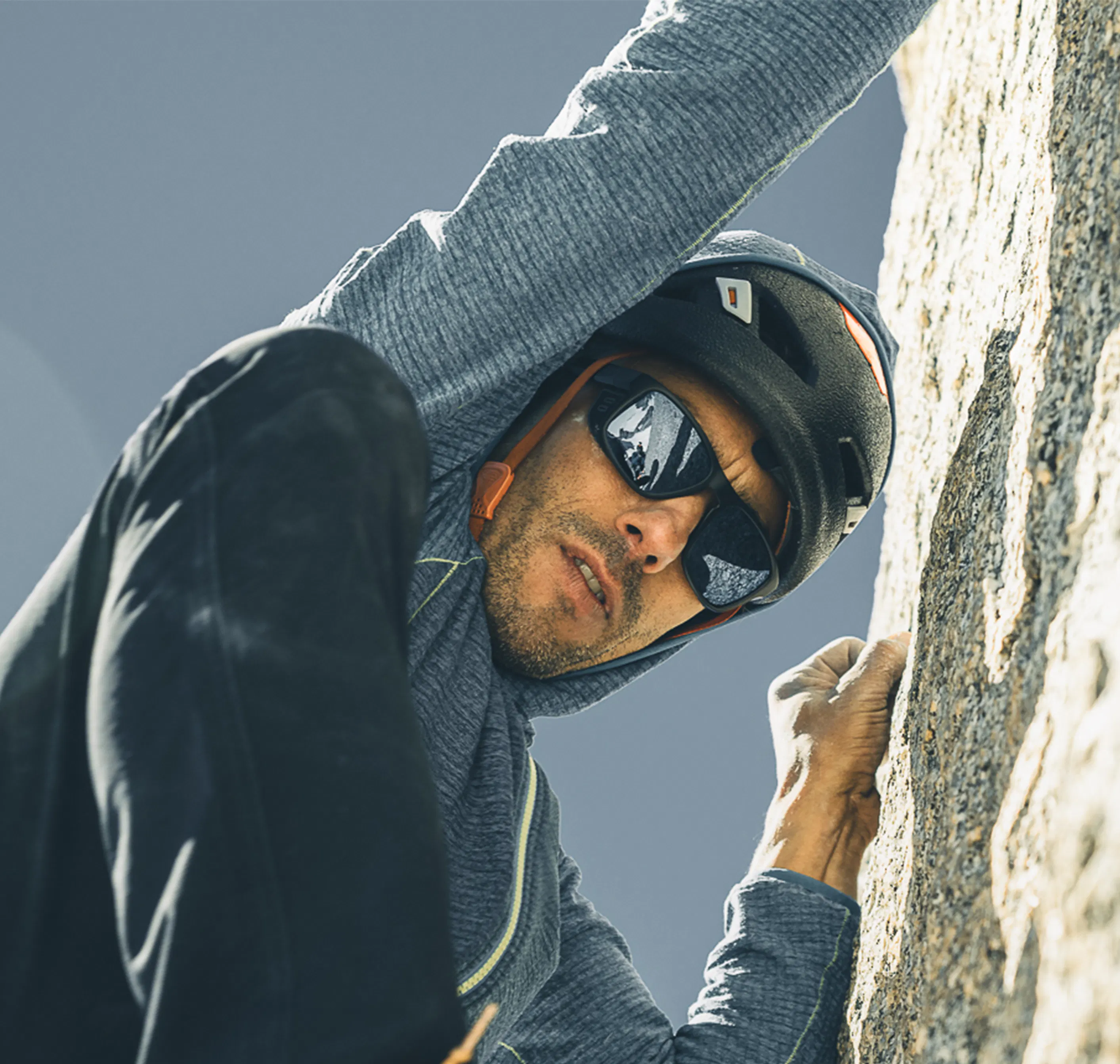
The sun is often underestimated in the mountains, but it’s much more dangerous at altitude. High-SPF sunscreen is a must for any hiking essentials checklist. Don’t forget eye protection either: sunglasses with UV filter are a necessity.
A hat or cap shields your scalp from sunburn while keeping your head cool. In cold conditions, also pack a beanie to minimize heat loss through your head.
Managing food and water during your trek
Nutrition is essential for hiking performance. Plan about 500 to 700 grams of food per day depending on trail difficulty. Freeze-dried meals are handy, lightweight, and nutritious but require hot water to rehydrate. Supplement them with energy snacks like dried fruit, nuts, and bars.
Food and hydration must be carefully anticipated. Plan for at least two to three liters of water per day, more in hot or strenuous conditions. A water filter or purification tablets let you use natural water sources, cutting down how much water you have to carry.
A lightweight cooking kit and compact gas stove are key items for your hiking essentials. Enjoying a hot coffee or tea at breakfast or a warm meal at night is great for morale and necessary to regain energy.
Small but essential items often forgotten
A multi-tool is a versatile ally that belongs on every hiking essentials list. Whether you need to cut food, open packaging, or do quick repairs, a Swiss Army knife or equivalent is highly useful.
A first aid kit is also vital. Along with bandages and blister pads, bring painkillers, anti-diarrhea meds, and any personal medications. An emergency blanket weighs almost nothing and can be a lifesaver.
Other small yet often forgotten must-haves:
- Toilet paper and a small trowel for discreet and environmentally friendly bathroom needs;
- Zip-lock bags to protect your belongings from moisture;
- Spare batteries (for your headlamp and electronic devices);
- Paper map and compass to supplement your GPS;
- High-SPF lip balm stick;
- Ultralight microfiber towel.
Optimizing the weight and organization of your pack
Ideally, your backpack shouldn’t exceed 20–25% of your body weight. Every gram saved counts on a trek. Choose light and quality gear—while it might cost more, the comfort it brings on the trail is worth it.
When packing, place heavy items close to your back and in the center of your bag for good balance, especially on tricky sections. Keep items you use often accessible, like in outer pockets or at the top of your pack.
Use packing cubes or compression bags to organize your hiking essentials and optimize space. This also helps you quickly find what you need—even at night—and keep clothes and gear dry when it rains.
A well-thought-out organization system saves weight—and time—on the trek. Build your own hiking essentials checklist and update it after every trek based on what you’ve learned. This way, packing becomes a routine and you’ll never forget anything essential.
Adapting your hiking essentials to your adventure
No two treks are the same and everyone has specific needs. It’s vital to adapt your hiking essentials list according to your route: season, region, duration, and difficulty.
For example, extra safety gear (like crampons or a rope) is mandatory for alpine terrain, while in tropical regions a good insect repellent is vital. Make sure you research your destination and local conditions carefully.
Always test your gear before the big trip: a night in your tent in the garden or a short weekend hike will help you check that everything works and fits your needs.
Remember: the best gear is the gear you know and trust. Avoid trying out untested products mid-adventure—rely on proven equipment. Over time, your hiking essentials list will become perfectly tailored to your expectations.
A thoughtfully-prepared hiking essentials list is the key to a successful adventure. With the right gear, you’ll be ready for anything and free to enjoy nature to its fullest. Take time to prepare well—your back, feet, and morale will thank you. And remember: it’s outside your comfort zone that the best memories are made. With good planning, every trek becomes an unforgettable experience.