Kilian jornet and everest: the feat that shook modern alpinism
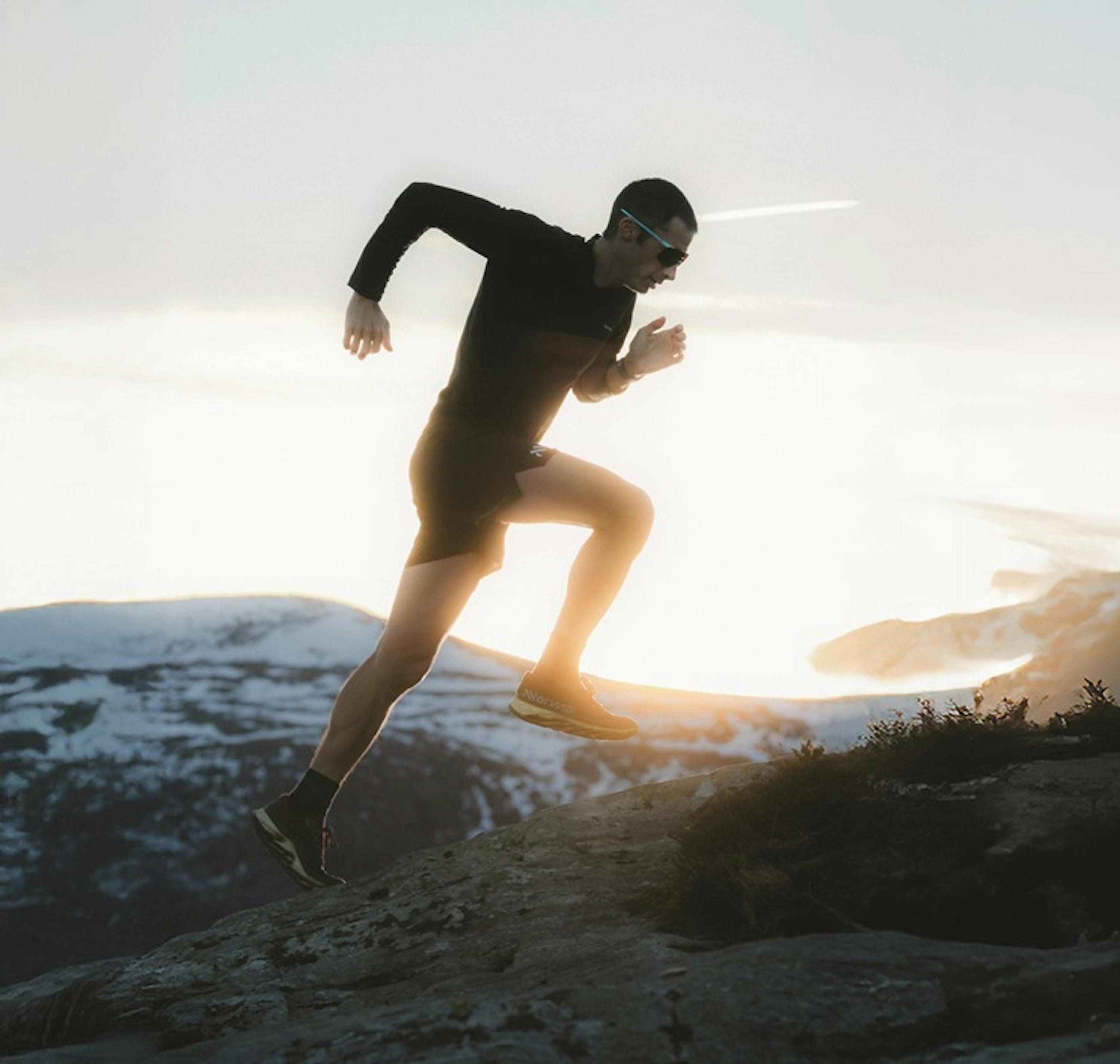
In May 2017, the mountaineering world held its breath. Kilian Jornet, the Spanish athlete renowned for his trail running and ski-mountaineering performances, had just achieved the unthinkable: climbing Everest in only 26 hours from Rongbuk Monastery, without supplemental oxygen or assistance.

In May 2017, the mountaineering world held its breath. Kilian Jornet, the Spanish athlete renowned for his trail running and ski-mountaineering performances, had just achieved the unthinkable: climbing Everest in only 26 hours from Rongbuk Monastery, without supplemental oxygen or assistance. This feat redefined the limits of possibility on the roof of the world and inspired an entire generation of mountain enthusiasts.
WHO IS KILIAN JORNET, THE MAN WHO DEFIES SUMMITS?
Born in 1987 in Sabadell, Spain, Kilian Jornet grew up in the Catalan Pyrenees, where his parents ran a mountain refuge. This proximity to nature forged his passion for high-altitude sports at a very early age. From childhood, he traversed trails on foot, developing extraordinary endurance.
Before tackling Everest, Jornet had already distinguished himself with numerous records. A multiple winner of the Ultra-Trail du Mont-Blanc and a world skyrunning champion, he had also set record times on Mont Blanc and the Matterhorn as part of his "Summits of My Life" project. This series of fast ascents aimed to push the boundaries of performance while promoting a minimalist and respectful approach to the mountains.
HOW DID THE RECORD DOUBLE ASCENT UNFOLD?
On 21 May 2017, Kilian Jornet began his first ascent from Advanced Base Camp at 6,500 metres. Setting off at night, he progressed rapidly up the North Face of Everest via the classic Tibetan route. Without artificial oxygen or fixed ropes, he reached the 8,848-metre summit after 26 hours of intense effort from Rongbuk Monastery (5,100 m), setting a record for the fastest ascent via that route.
The exploit did not stop there. After descending to Advanced Base Camp, Jornet decided to set off again just a few days later, on 27 May. This time, he completed the ascent in just 17 hours from Advanced Base Camp, confirming his exceptional adaptation to extreme altitude.
- Total time for the round trip (Rongbuk): 38 hours.
- Acclimatisation: Dramatically reduced compared to the usual two-month expeditions.
- Gear: Minimalist, including high-performance mountain goggles and light kit.
WHAT WERE THE CONDITIONS AND CHALLENGES?
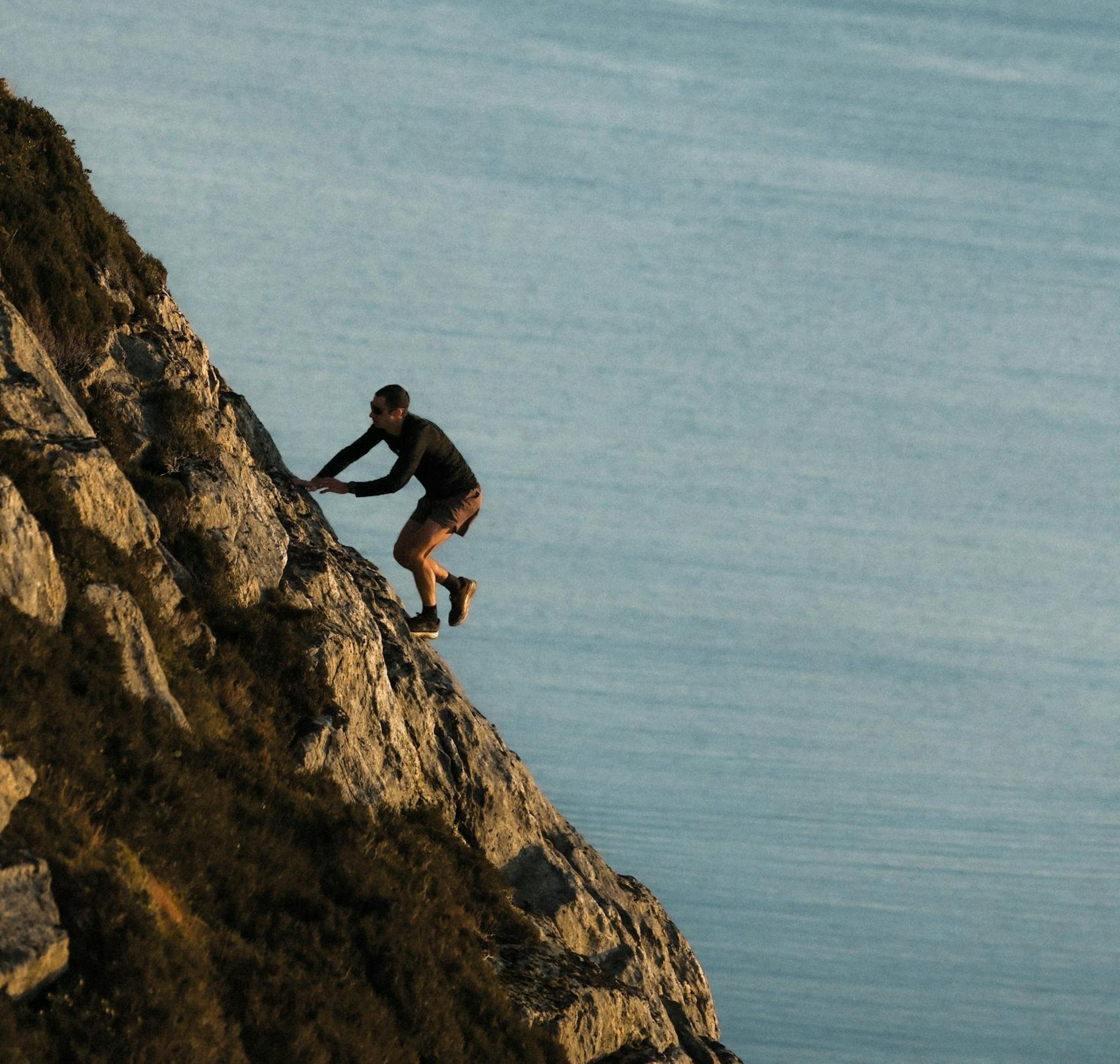
The North Face presents significant technical challenges, with slopes exceeding 50 degrees. The ascent involves more than 3,800 metres of vertical gain, including 30 kilometres of unstable moraine.
The absence of artificial oxygen was the major hurdle. Above 8,000 metres—the "Death Zone"—atmospheric pressure is three times lower than at sea level. Jornet had to manage extreme hypoxia while maintaining a steady pace. His ability to read the mountain allowed him to seize rare weather windows, minimising his exposure to objective dangers like avalanches.
WHAT WAS THE IMPACT ON THE ALPINISM WORLD?
Jornet’s double ascent demonstrated that a different approach to high altitude was possible: one based on lightness, speed, and autonomy. Base camp Sherpas, used to heavily equipped commercial expeditions, were so impressed by his speed they nicknamed him "the monkey-man."
However, this feat also raised questions about safety. Jornet himself insisted that his performance was the result of years of specific preparation. In 2023, during a new solo attempt, he had to retreat due to an avalanche, a reminder that even for the most experienced, the mountain remains sovereign.
LESSONS FROM A UNIQUE APPROACH
Kilian Jornet’s Everest feat teaches us that success depends more on preparation and knowledge than on material means.
- Gradual Progression: His records are the result of decades spent in the mountains.
- Safety First: Even with a minimalist approach, kit—especially sunglasses adapted for extreme UV—is vital.
- Connection over Conquest: Success is defined by the experience and respect for the environment.