What to Wear Skiing: The Complete Guide to Hitting the Slopes with Confidence
A day on the slopes requires preparation. Between cold, wind, snow, and changing temperatures, ski clothing isn’t just about looking good—it’s about performance.
A day on the slopes requires preparation. Between cold, wind, snow, and changing temperatures, ski clothing isn’t just about looking good—it’s about performance. Knowing what to wear skiing helps protect your body, gives you freedom of movement, and lets you enjoy every run to the fullest. Here’s everything you need to know for the ideal outfit, from head to toe.
Why Is the Three-Layer System the Foundation of Every Great Ski Outfit?
On the slopes, weather conditions can shift rapidly. A sunny start can turn into a snowstorm in minutes. To face these changes, experts agree on one basic rule: the three-layer system. This principle means layering clothes with complementary functions to stay warm, dry, and comfortable all day.
The First Layer: Your Breathable Second Skin
The first layer, or base layer, is worn against your skin. Its main role is crucial: wick moisture and sweat away from your body to keep you dry. Damp skin cools quickly. That’s why you should absolutely avoid cotton—it absorbs moisture but doesn’t release it, which can quickly lead to discomfort or even danger in cold conditions.
Choose technical underwear made of merino wool or synthetic fibers. Merino wool offers natural thermal insulation, regulates body temperature, and has antibacterial properties. Synthetics provide quick drying and excellent moisture-wicking ability. In both cases, pick a slim fit so the material works effectively. This base layer should include a long-sleeve top and long leggings, worn under your ski trousers.
The Middle Layer: The Warm Heart of Your Equipment
The middle layer traps the warmth your body creates. It acts as a thermal insulator between your skin and the outside elements. Fleece remains the go-to for this second layer: lightweight, breathable, and effective at keeping warm air in without adding bulk. On especially cold days, or for skiers who feel the cold more, a lightweight insulated jacket can provide extra warmth.
The thickness of this layer should match the weather conditions and your activity level. Alpine skiing generates plenty of heat on the descents, so a thin fleece may be fine on sunny days. In colder weather or during less intense activities like cross-country skiing, opt for thicker insulation.
The Third Layer: Your Shield Against the Elements
The third layer, or outer layer, is there to shield you directly against the weather. Your ski jacket and trousers must be both waterproof and breathable. Waterproofing keeps out snow and water; breathability allows sweat to escape. Both are measured by tech ratings: higher values mean better protection.
When choosing a ski jacket, look for a built-in snow skirt to keep out snow in case of a fall. Zipped pockets, sealed seams, and adjustable cuffs are also key features for optimum comfort on the slopes.
Which Accessories Are Must-Haves to Protect Yourself in the Mountains?
Your ski outfit isn’t limited to the three layers. Extremities are particularly vulnerable to the cold and need special attention. Well-chosen accessories can make the difference between a dream day and a trip cut short by cold hands or feet.
Protecting Hands and Feet: Two Top Priorities
Hands are often the first victims of cold on the slopes. Whether to choose gloves or mittens depends on the weather and your own preferences. Mittens offer better thermal insulation since your fingers warm each other. Gloves allow more freedom and dexterity, useful for using poles or taking photos. For skiers sensitive to cold, mittens are usually the best option.
For your feet, technical ski socks are essential. They should be made from merino wool or synthetic fibers, tall and well-fitted. Avoid socks that are too thick, as they can squeeze your feet in your boots and restrict blood circulation. Good technical socks provide warmth, comfort, and support all day long.
Head, Eyes, and Face: Areas You Shouldn’t Overlook
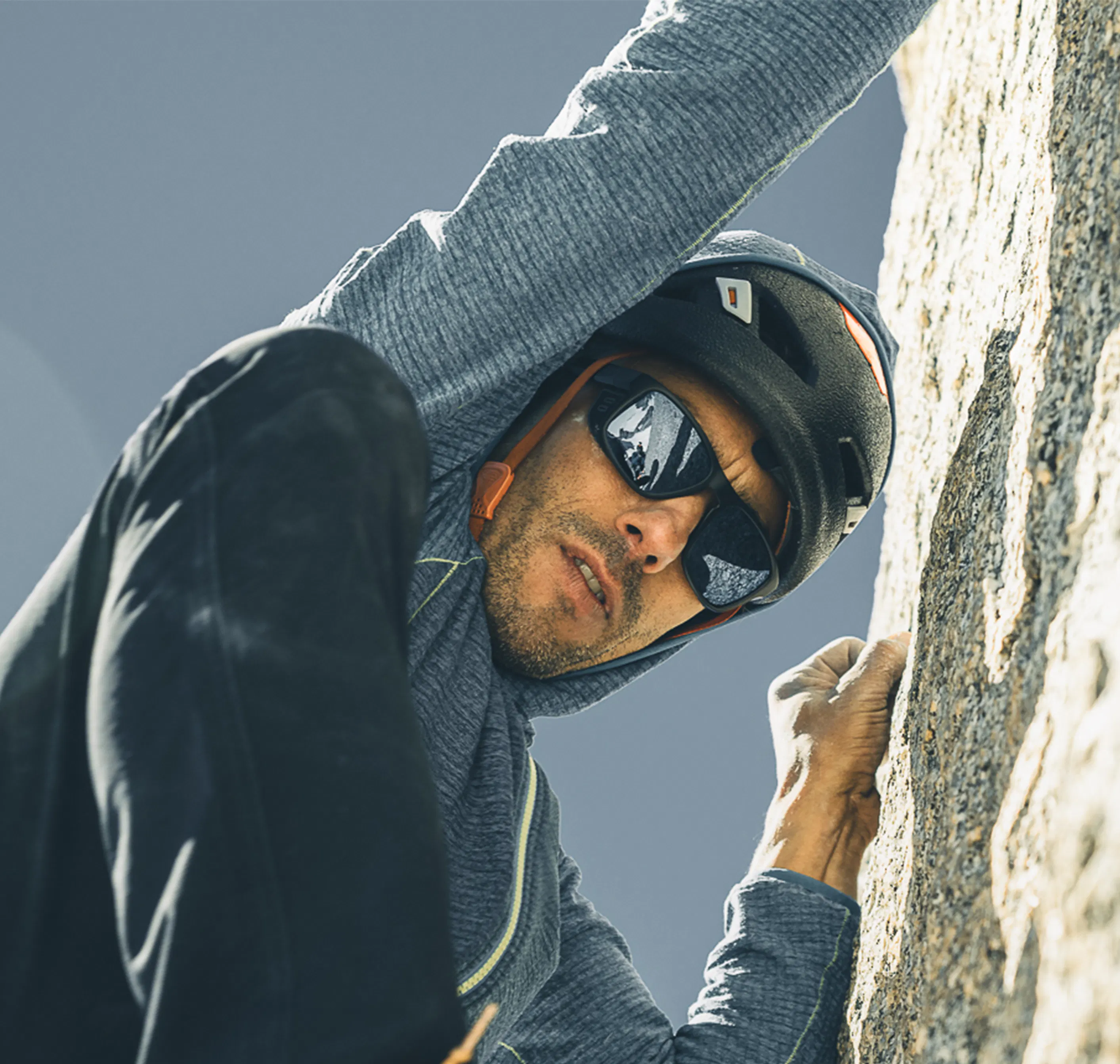
Your head is responsible for a significant amount of body heat loss. A warm beanie or merino wool neck gaiter is a must for retaining heat. Under your helmet, a thin, breathable liner enhances thermal comfort without unnecessary bulk.
The ski helmet is now essential safety gear. Beyond protecting you during a fall, it also keeps you warmer thanks to its insulated lining. With a good fit, it covers your head, temples, and ears. On the slopes, wearing one is strongly recommended for skiers of all levels.
Your eyes are exposed to a double threat in the mountains: UV rays—stronger at altitude—and the glare from the snow. To protect them effectively, you have two options. In fine weather, ski goggles or mountain sunglasses with the right protection are enough. In cloudy weather, at night, or during snowfall, ski goggles give added protection for more of your face. Whatever you choose, select lenses with extra UV protection suited to mountain light conditions. Photochromic lenses, which adapt to changes in brightness, are especially appreciated by skiers moving between sun and shade on the slopes.
What Should You Remember About What to Wear Skiing?
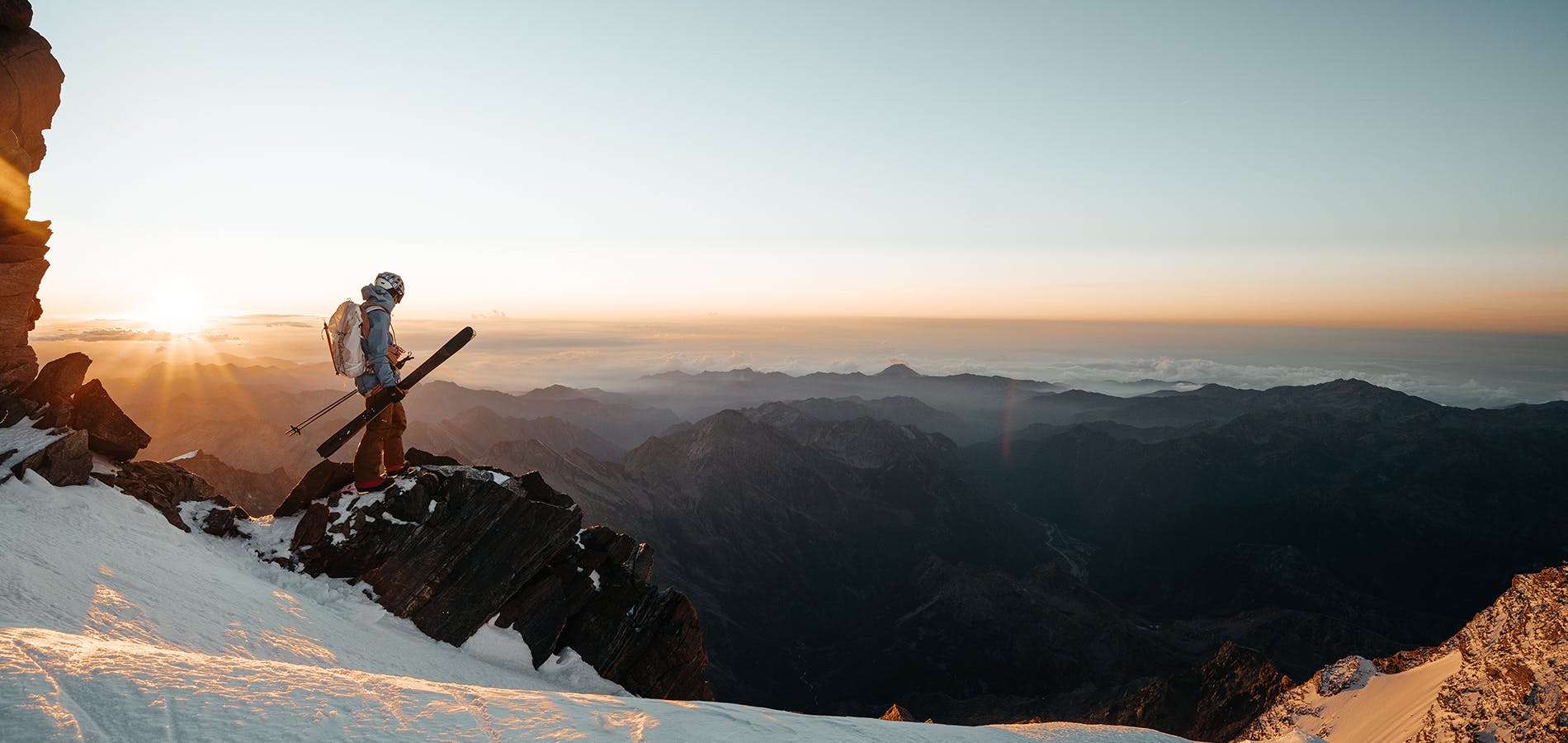
Knowing what to wear skiing means understanding what your body needs in mountain conditions and responding with the right gear. Here are the key takeaways for picking your ideal outfit:
- Adopt the three-layer system: a breathable base layer, insulating middle layer, and waterproof, breathable outer layer.
- Avoid cotton and opt for merino wool or synthetic fibers for the first layer.
- Protect your extremities with technical gloves or mittens and socks designed for skiing.
- Wear a ski helmet for safety and extra warmth.
- Use ski goggles or a ski mask to protect your eyes from UV rays and snow glare.
A good ski outfit lets you forget about the cold and focus on what matters: the skiing, the fun, and the mountains. Take time to kit yourself out properly before each ski trip and every day on the slopes will become an unforgettable experience.