Average speed at the Tour de France: how fast do the riders go?
What is the average speed of a Tour de France rider?
The average speed in the Tour de France varies considerably depending on the type of stage. On flat stages, teams compete at paces that regularly exceed 45 km/h. The peloton, compact and organized, devours the kilometers at an impressive cadence. Mountain stages, on the other hand, naturally lower the average: climbing Alpe d'Huez or the Tourmalet pass means accepting that the speedometer will drop well below 40 km/h.
The time trial is a category of its own. In this type of stage, riders set off alone, in an aerodynamic position, pushing their machine to the extreme. During the 2024 Tour de France, the 7th stage, a 25-kilometer time trial, saw the riders average over 52 km/h. A performance that is dizzying.
For an entire edition, the average speed is calculated by dividing the total distance covered by the cumulative time of the general classification winner. This synthetic data reflects the overall intensity of the race, and it keeps improving over the decades.
How has the average speed in the Tour evolved since the first editions?
The history of the Tour de France is also a story of acceleration. During the first editions, at the start of the 20th century, riders faced unpaved roads, heavy bikes, without derailleurs or any real nutritional support. The speed was far from today's standards. Progress was slow but steady, driven by technological advances, better roads, and changing training methods.
From the 1980s onwards, average speeds crossed a new threshold. Equipment got lighter, teams became more organized, and cycling turned into a science. The 1990s and 2000s marked a period of record-breaking, sometimes tainted by doping controversies. Then came a period of normalization, with overall averages stabilizing around 40 to 42 km/h.
Recently, the trend is upward. The 2023 Tour de France ended with an average of 41.93 km/h, one of the highest in the modern history of the race. And the 2025 edition went even further: Tadej Pogacar won the fastest Grande Boucle ever, with an average of 42.445 km/h for the whole race. This is all the more remarkable given that the course included many mountain stages. During the 9th stage of this same edition, the average speed reached 50.013 km/h, never before seen in the 21st century on a stage of this kind.
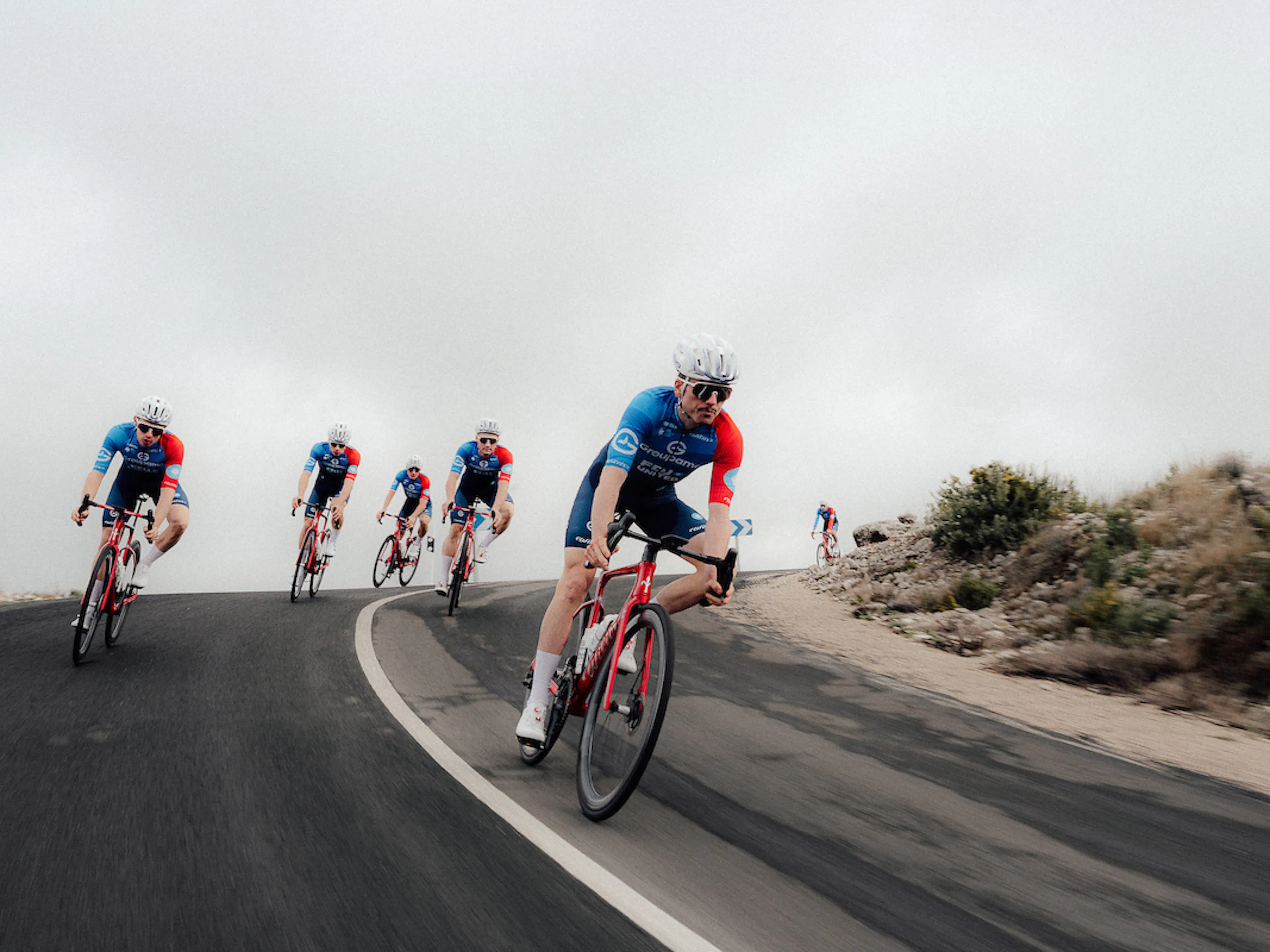
What factors influence the riders’ speed on the Tour?
To understand speed in the Tour de France is to grasp the complexity of this sport. Several factors come into play, constantly interacting throughout the three weeks of racing.
The profile of the course is obviously crucial. A flat stage between two northern French cities has nothing in common with a Pyrenean stage. Tour stages that cross the big passes require a different kind of effort, where power in watts per kilogram outweighs aerodynamic ability.
The weather also plays a role. Headwinds slow down the peloton, while a tailwind can propel the group to unexpected speeds. The heat, common in July, affects recovery and energy management over time.
Equipment has undergone a silent revolution. Modern road bikes are precision machines: carbon fiber frames, profile wheels, aerodynamic suits, precisely adjusted positions. Every gram saved, every angle optimized translates into precious seconds on the final time.
Finally, team tactics are often underestimated. Teams organize relay work to protect their leader. Jonas Vingegaard, just like Tadej Pogacar before him, relies on a solid team to save energy and attack at the right moment. The yellow jersey is never won alone.
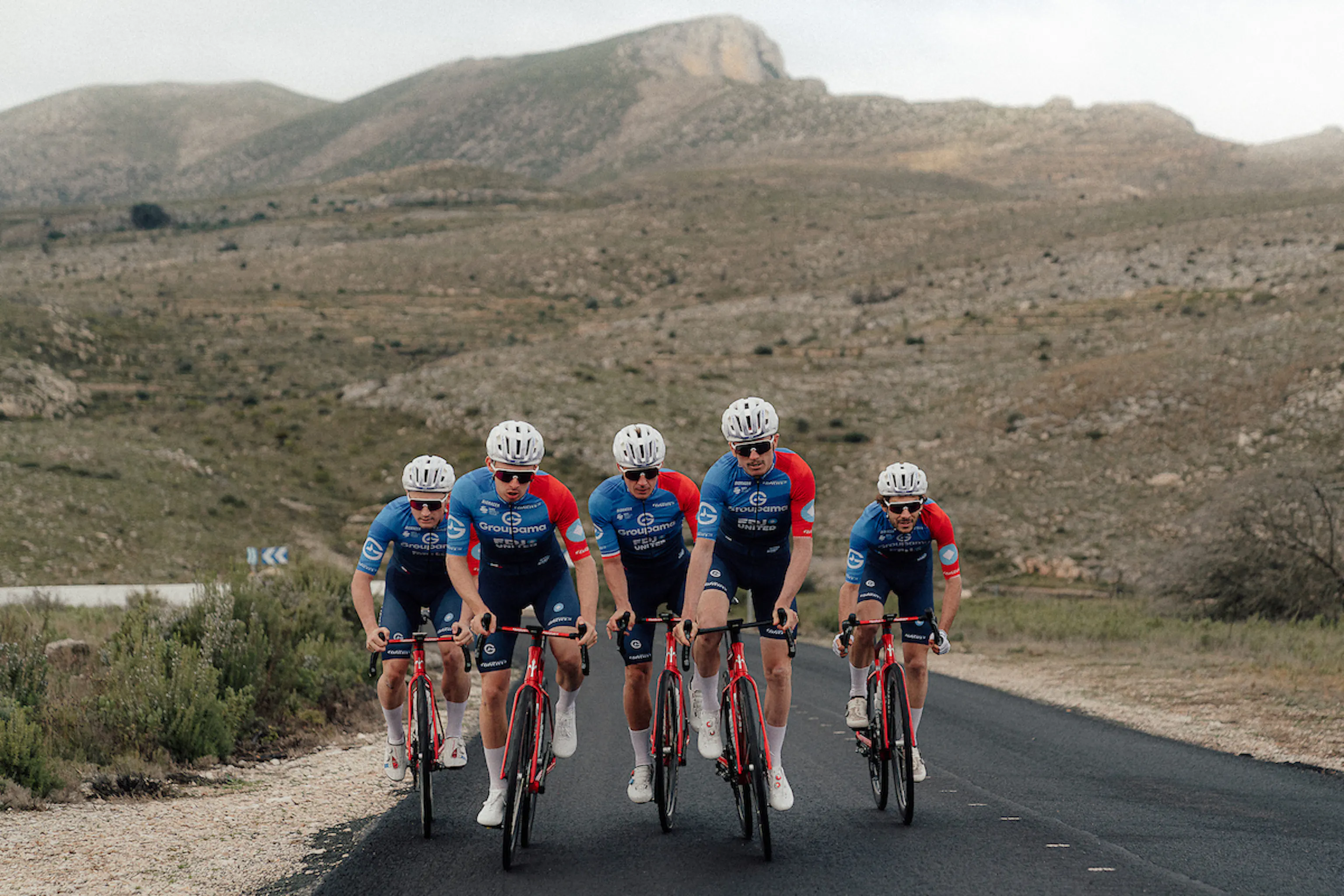
Speed on descents, speed in the mountains: two very different realities
While the average speed for an entire stage gives a global indication, the extremes are just as fascinating. On descents, Tour riders regularly reach speeds above 80 km/h, even 100 km/h on certain stretches. These moments require exceptional composure, perfect reading of the terrain, and complete trust in the equipment.
In the mountains, on the contrary, speeds drop drastically on the steepest gradients. On the toughest climbs, the tempo can fall below 15 km/h. That's often where the general classification is played out, the polka dot jersey is earned, and sometimes the yellow jersey changes shoulders.
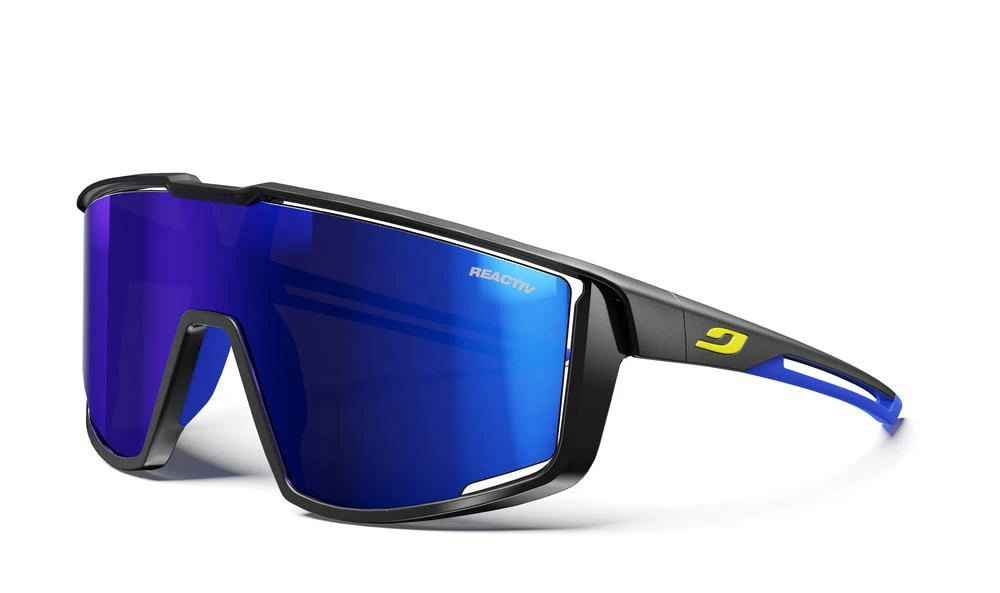
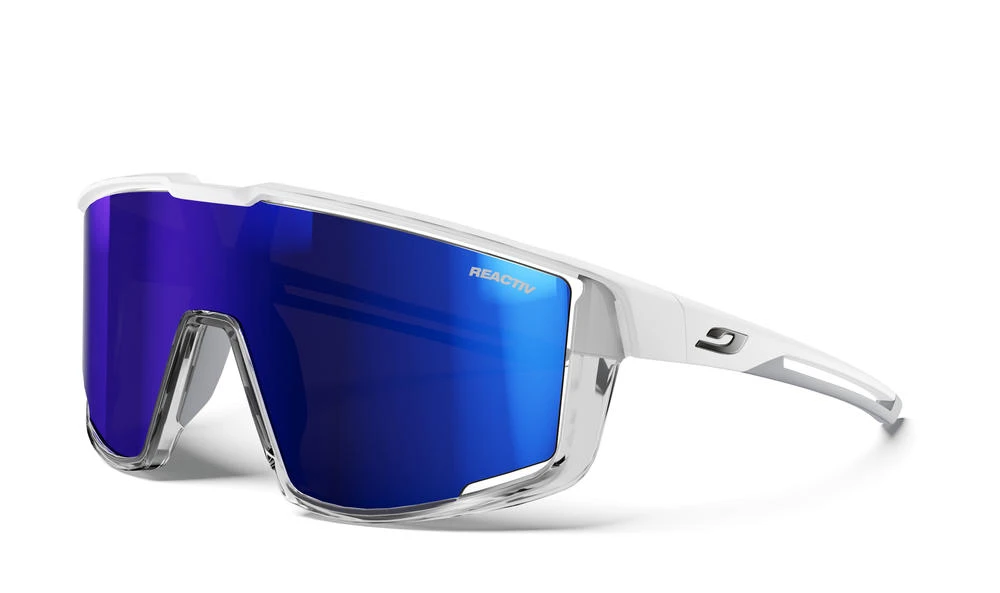
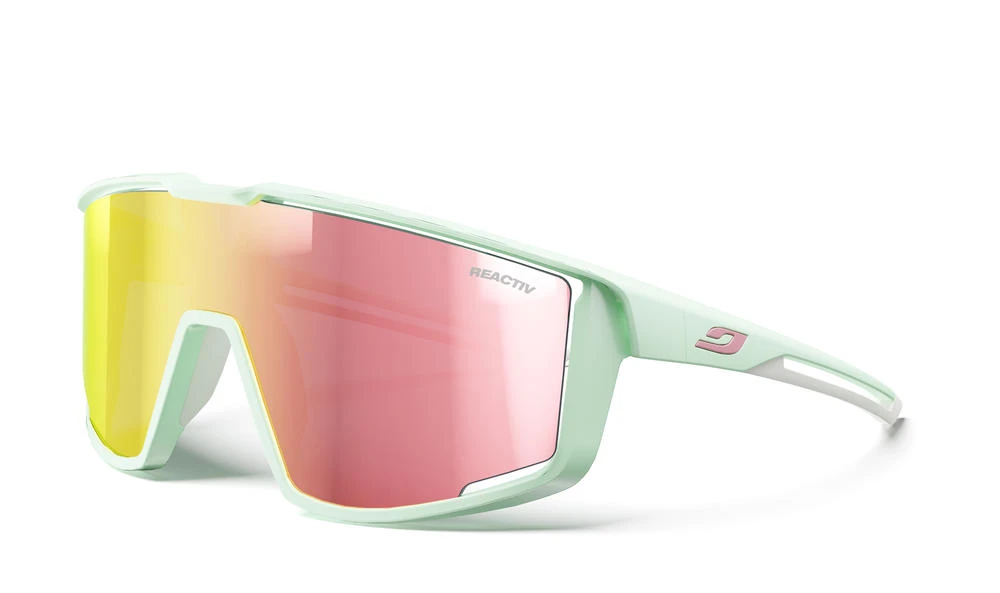
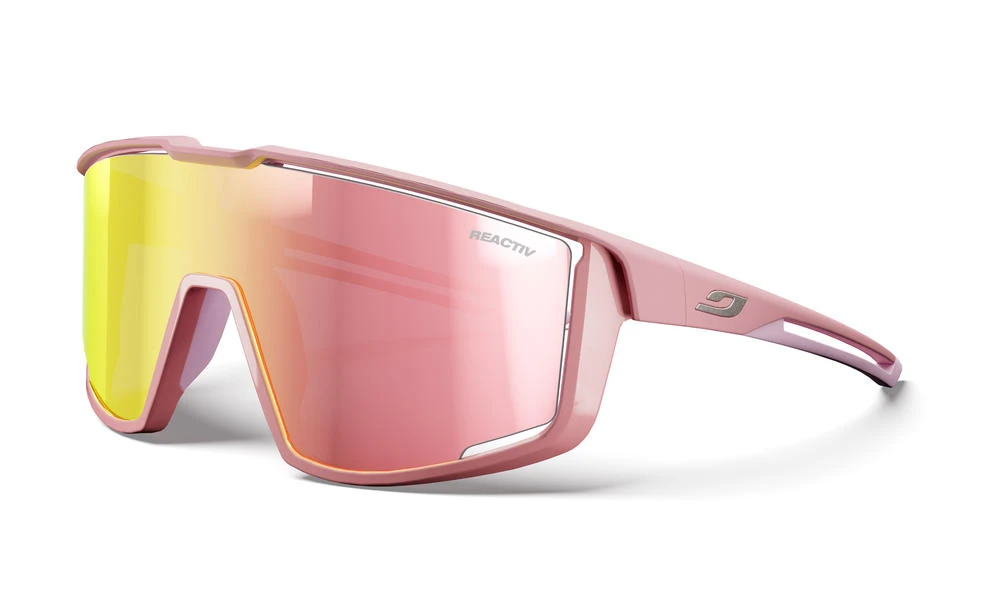
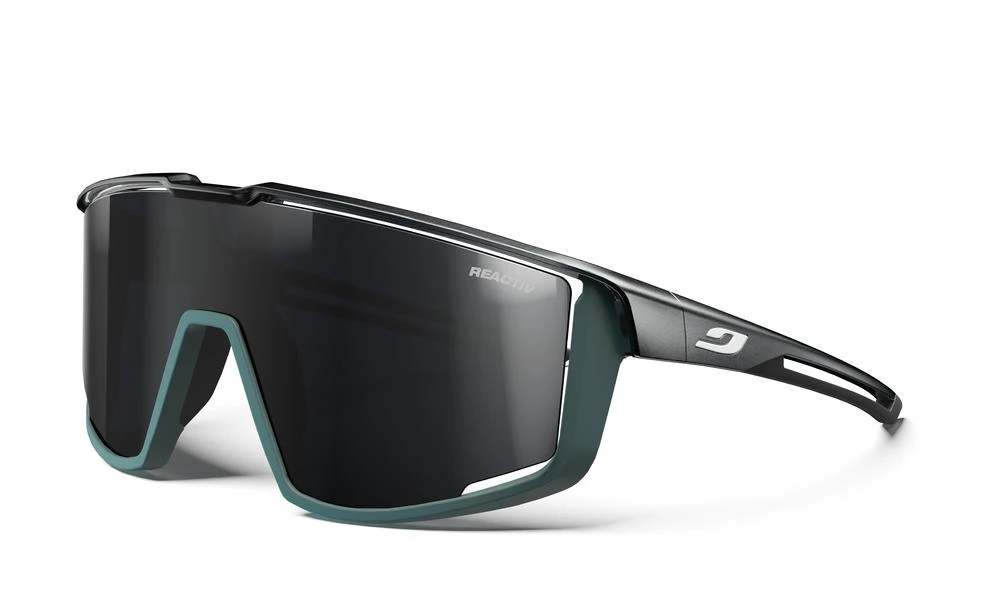
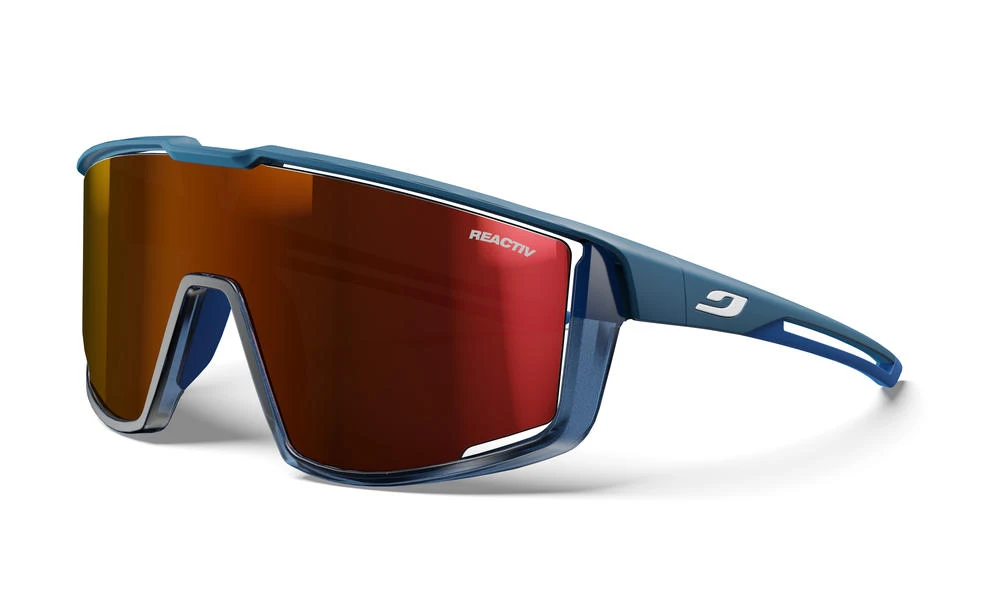
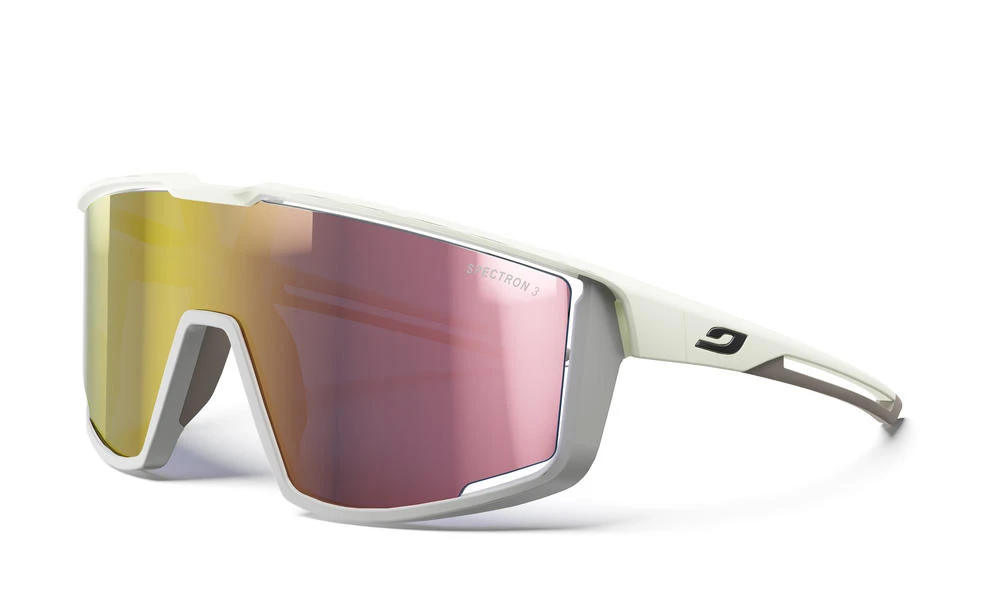
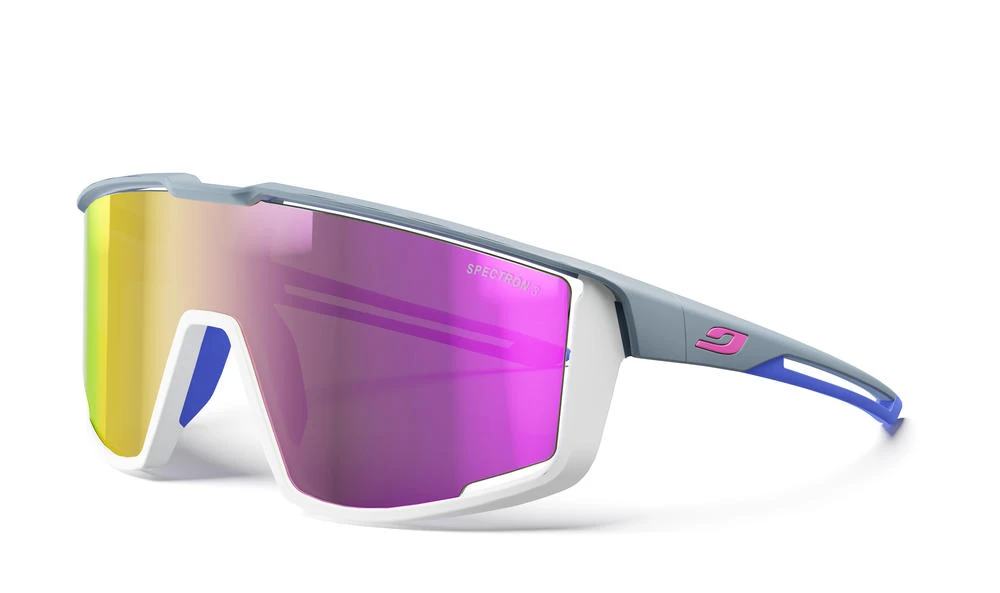
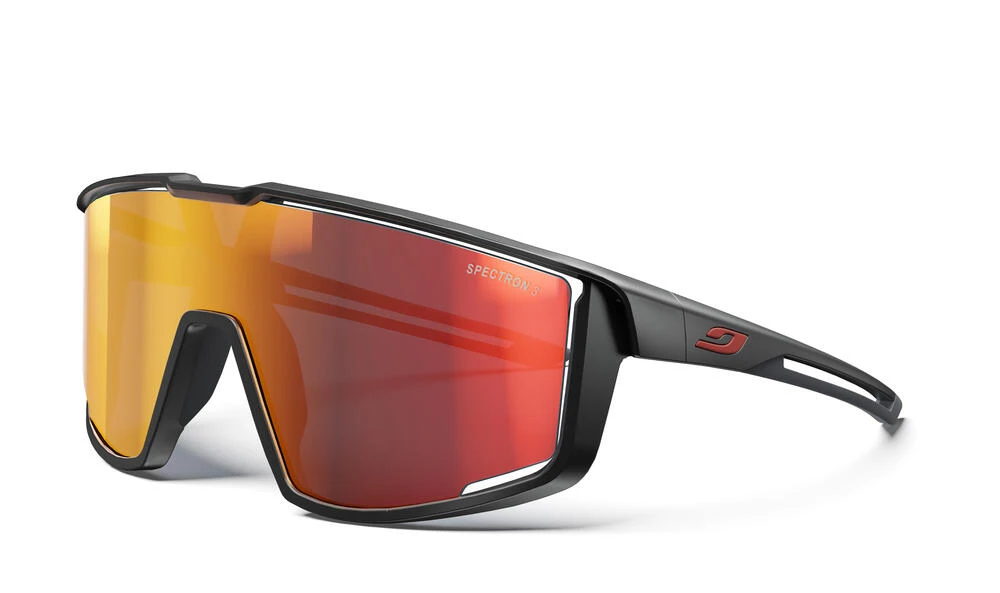
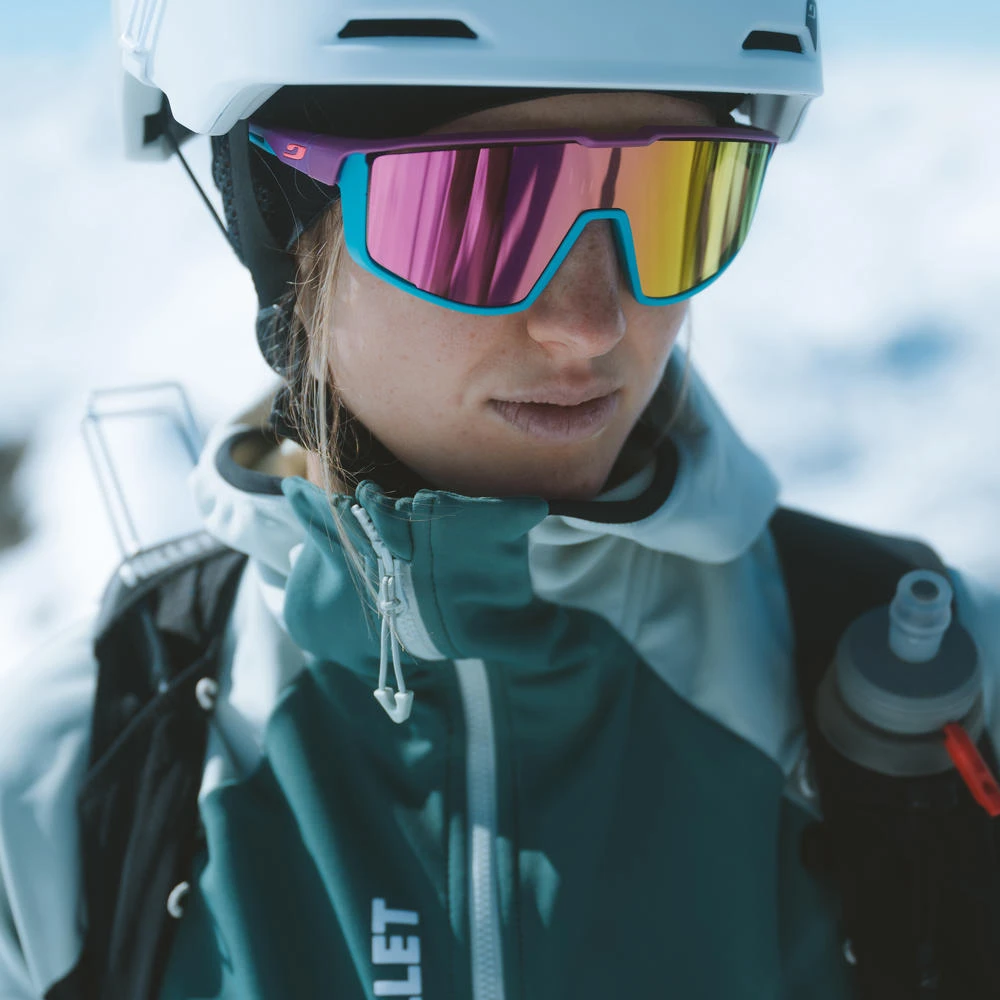
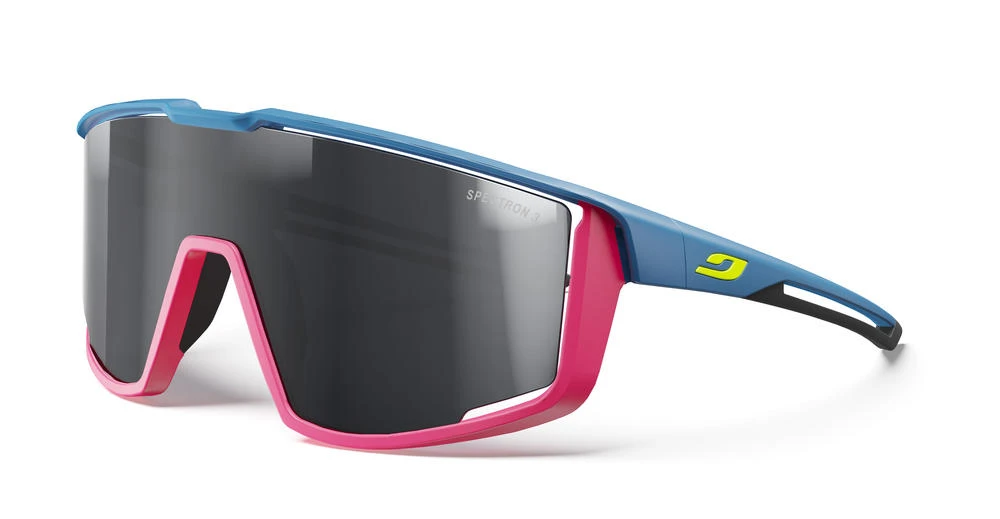
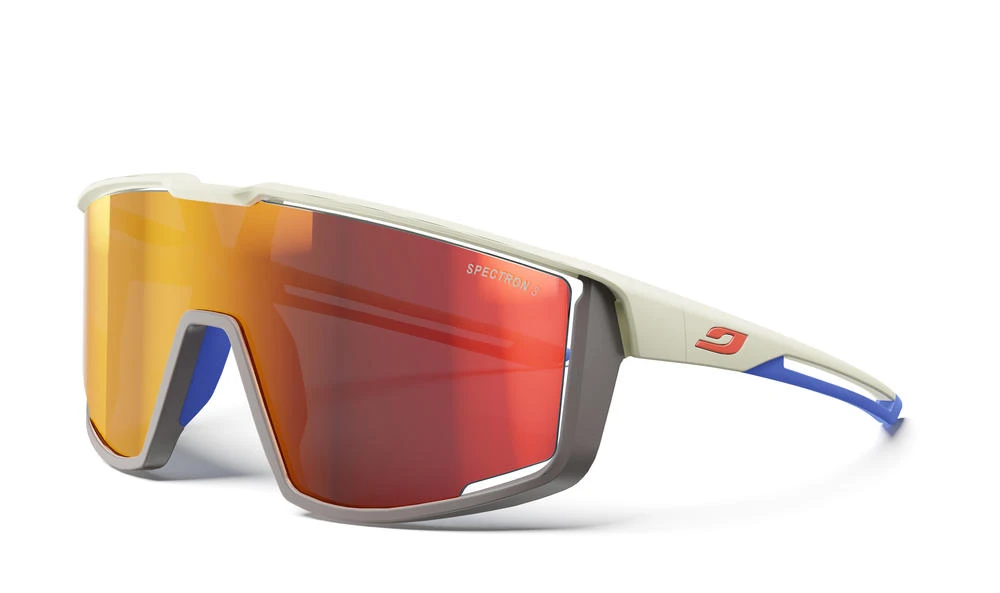
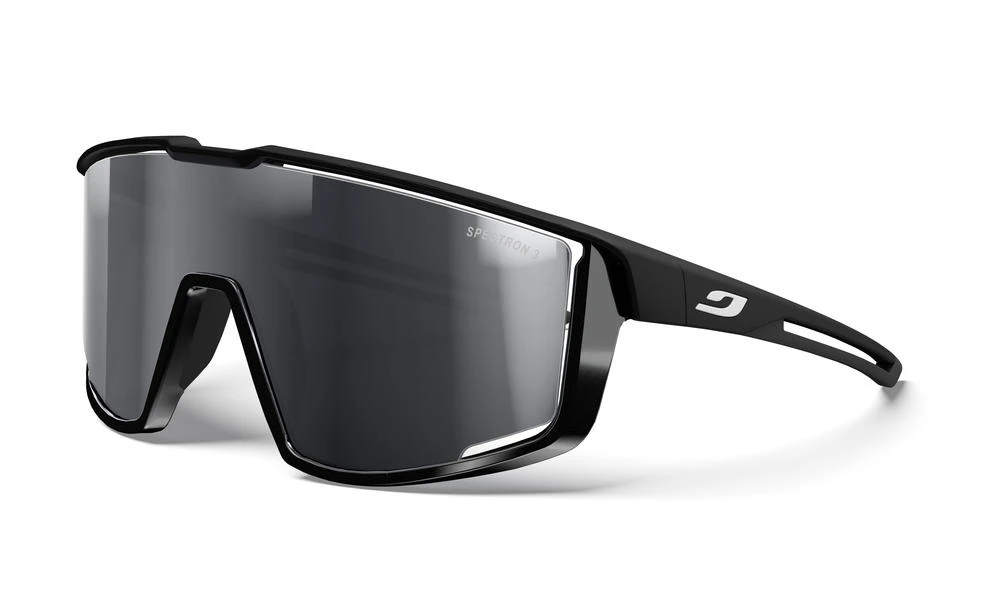
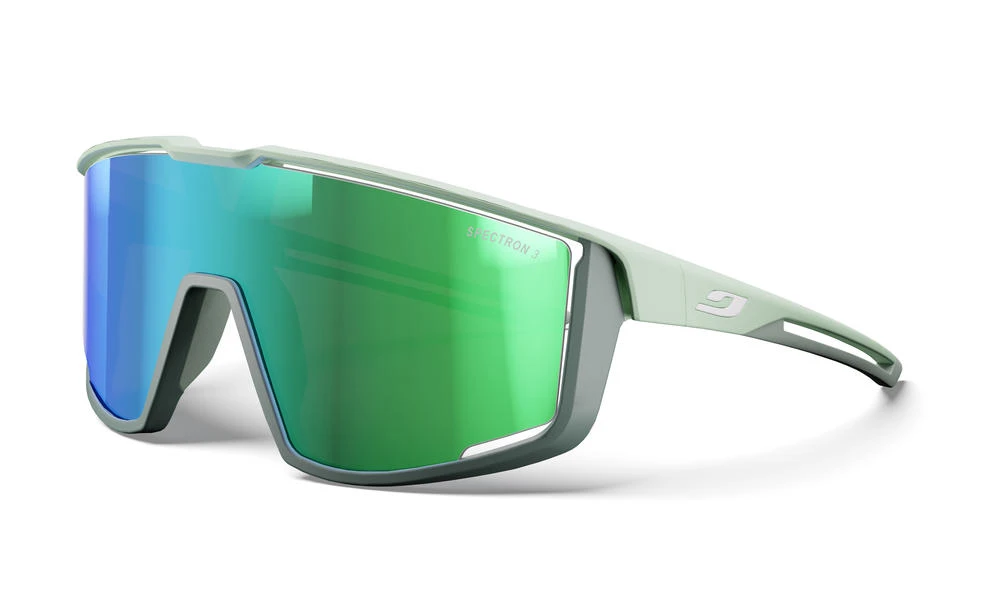
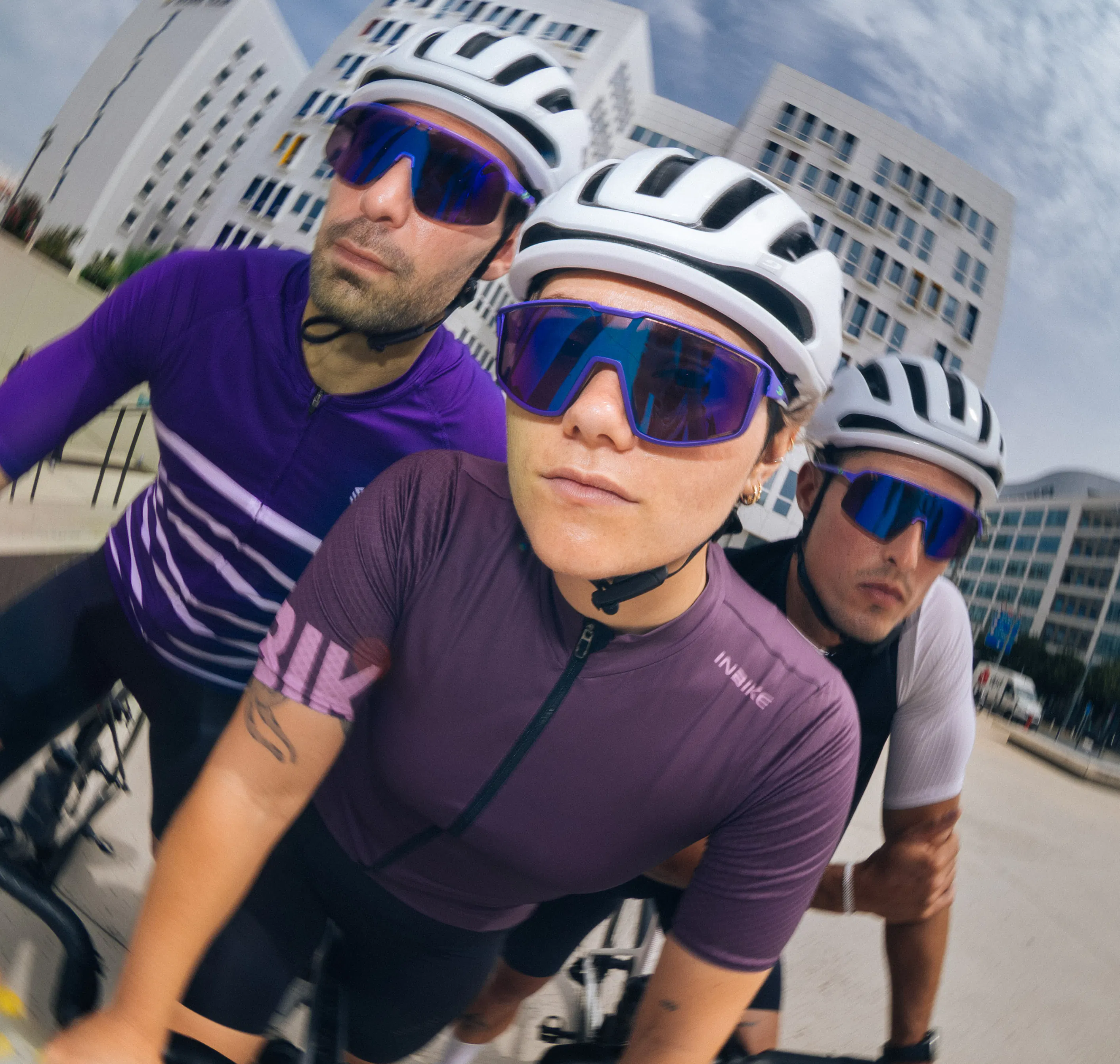
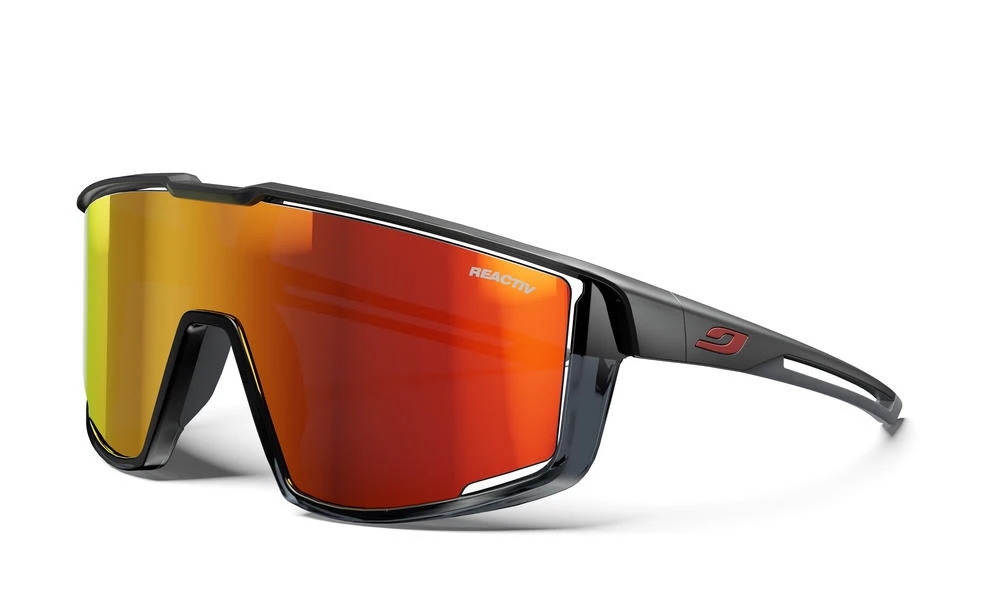
For riders, protecting their vision in these extreme conditions is not a detail. On fast descents, their eyes are put under intense stress: glare, debris, sudden changes in brightness. It is precisely to meet these needs that high-performance road cycling glasses exist, designed to offer sharp, protected vision at any speed.
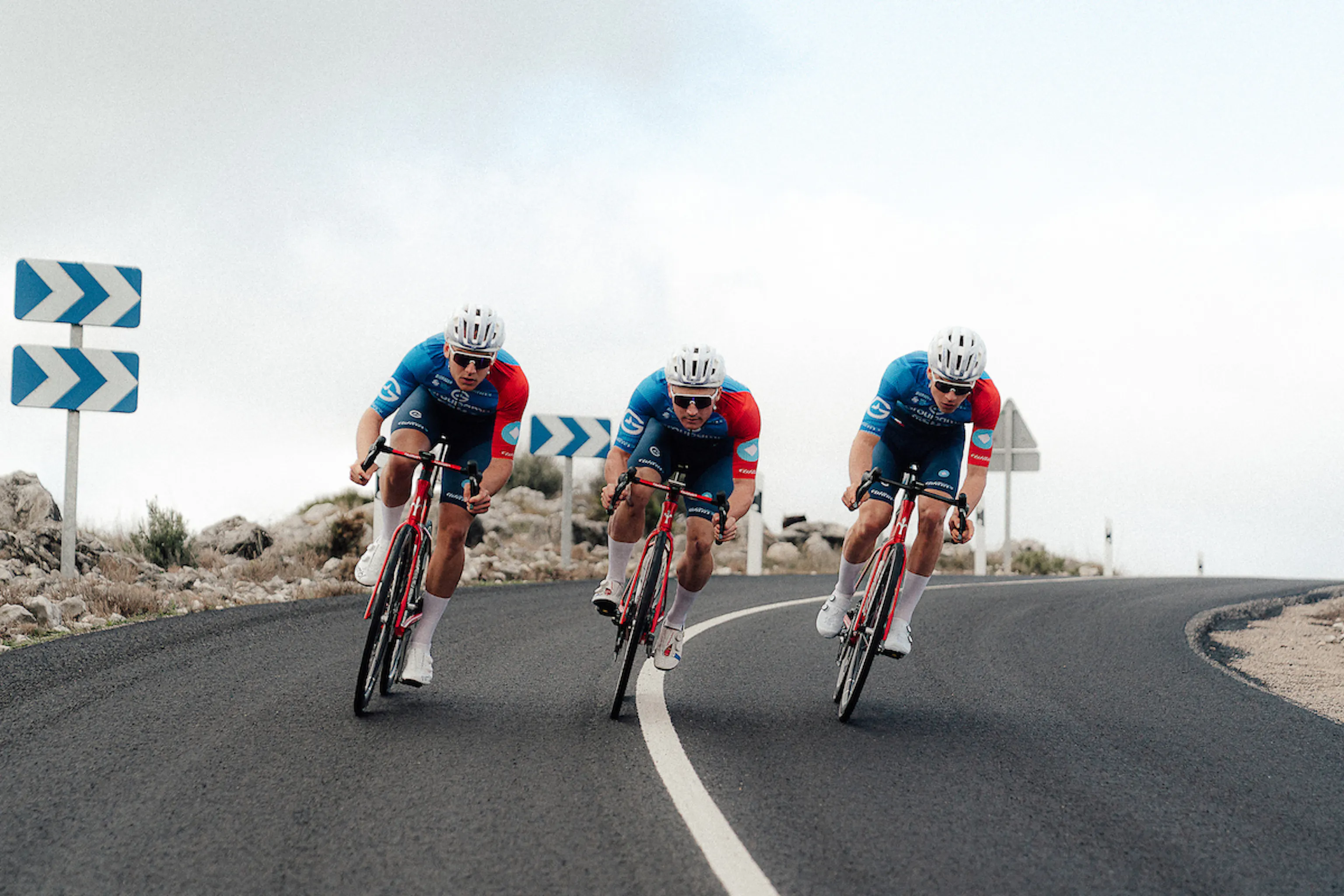
And what about the Tour de France Femmes?
Since the return of the Tour de France Femmes avec Zwift in 2022, a new chapter in women's cycling is being written every summer. The average speeds seen in this event show a remarkable level of excellence: around 43 km/h on flat stages, and about 34 km/h on the most demanding mountain stages, such as the Super Planche des Belles Filles.
These figures confirm what cycling fans already know: top-level women's cycling is a spectacle in its own right—demanding, tactical, and intense. The Tour Femmes stages have nothing to envy of their male counterparts in terms of commitment and athletic beauty.
Key takeaways about average speed in the Tour de France
Speed in the Tour de France is much more than just a number. It reflects a century of technical, human, and tactical evolution. Here are the key points to remember:
- The overall average speed of an edition depends on the course profile and the intensity of the race
- Flat stages produce the highest averages, sometimes over 45 km/h
- Mountain stages naturally bring down the average, but concentrate the decisive moments
- The time trial is the ultimate pure speed challenge, with averages that can exceed 50 km/h
- The 2025 edition is so far the fastest in the history of the Tour de France
Whether you are a passionate spectator or an amateur cyclist inspired by the Grande Boucle, one thing is certain: Tour riders push the limits of what the human body and machine can achieve together every year. And for those who want to equip themselves in line with their own ambitions on the road, discovering bike helmets suited to every type of riding is a first step toward higher performance and safety.
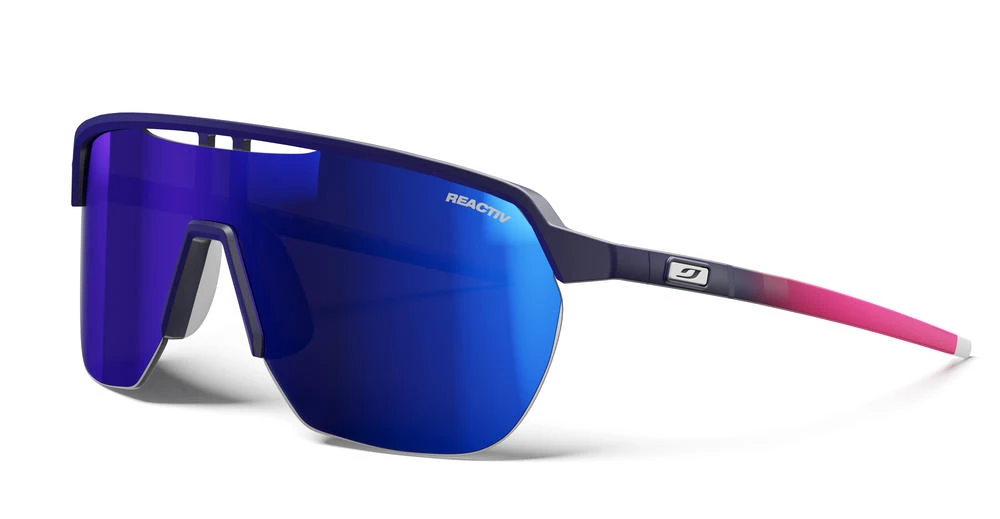
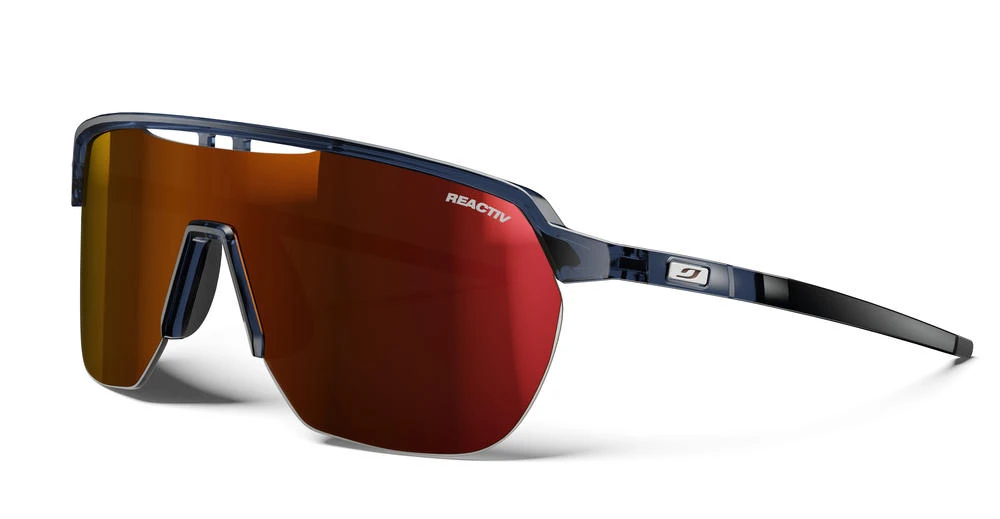
REACTIV 1-3 Light Amplifier
FREQUENCY REACTIV
Sunglasses for speed sports

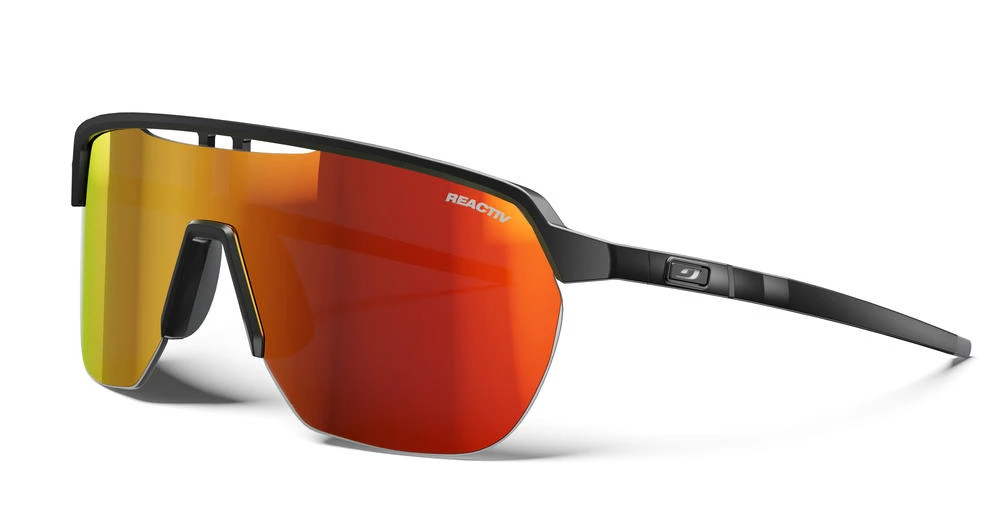
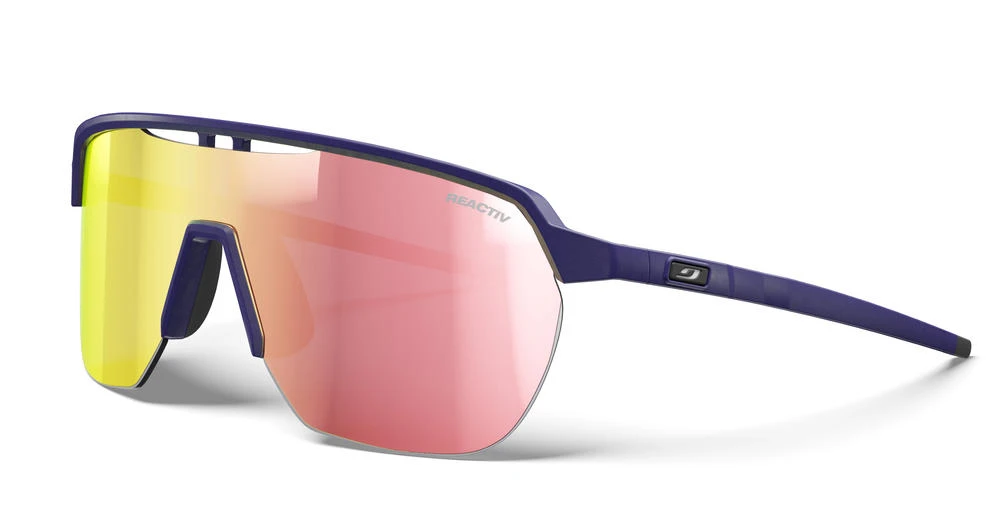
REACTIV 1-3 Light Amplifier
FURY REACTIV
Sunglasses for speed sports
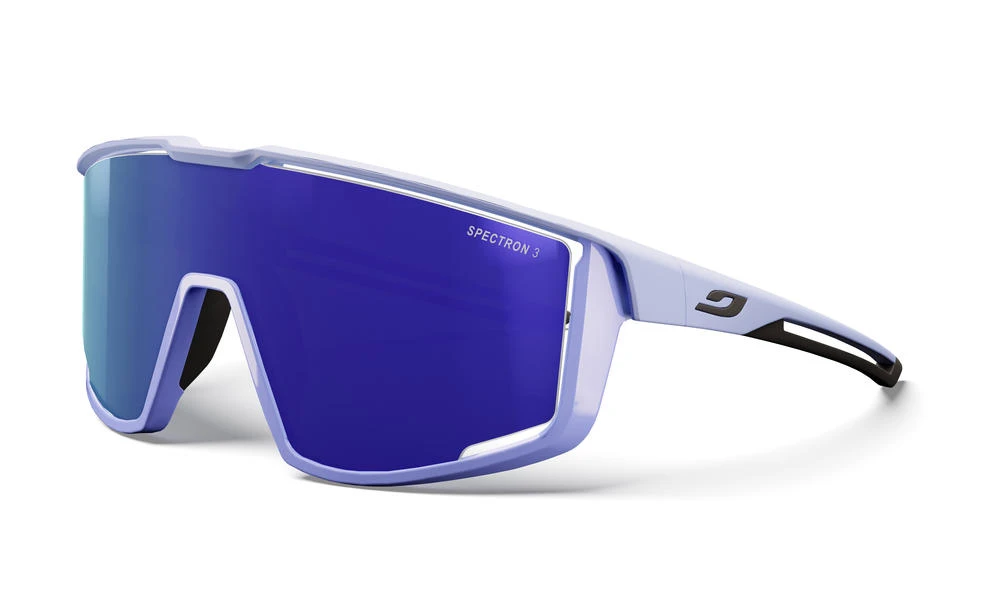
Spectron 3
FURY SPECTRON
Sunglasses for speed sports