How much does a Tour de France rider earn: salaries, bonuses and income explained
Every summer, millions of spectators line the roads to cheer on the riders of the Grande Boucle. But behind the images of suffering and pushing beyond one’s limits, a question often comes up: how much does a Tour de France cyclist actually earn? Between fixed salary, stage bonuses and partner contracts, the reality is much more nuanced than it seems.
What is the salary of a Tour de France rider?
Professional cycling is a world with two speeds. On one side, the stars of the peloton like Tadej Pogačar or Jonas Vingegaard, whose annual salaries are measured in millions of euros. On the other, the devoted teammates who build their careers in the shadow of their leaders, earning much more modest incomes.
In 2025, WorldTour rider incomes vary greatly depending on their status. Leaders of the biggest teams can earn several million euros a year, while teammates and young professionals often earn between 100,000 and 300,000 euros per year, excluding bonuses.
French riders are not left out. The best French riders in the peloton can reach several hundred thousand euros per season, or even exceed one million euros for the most high-performing leaders. The hierarchy is clear, and the level of performance determines contract terms.
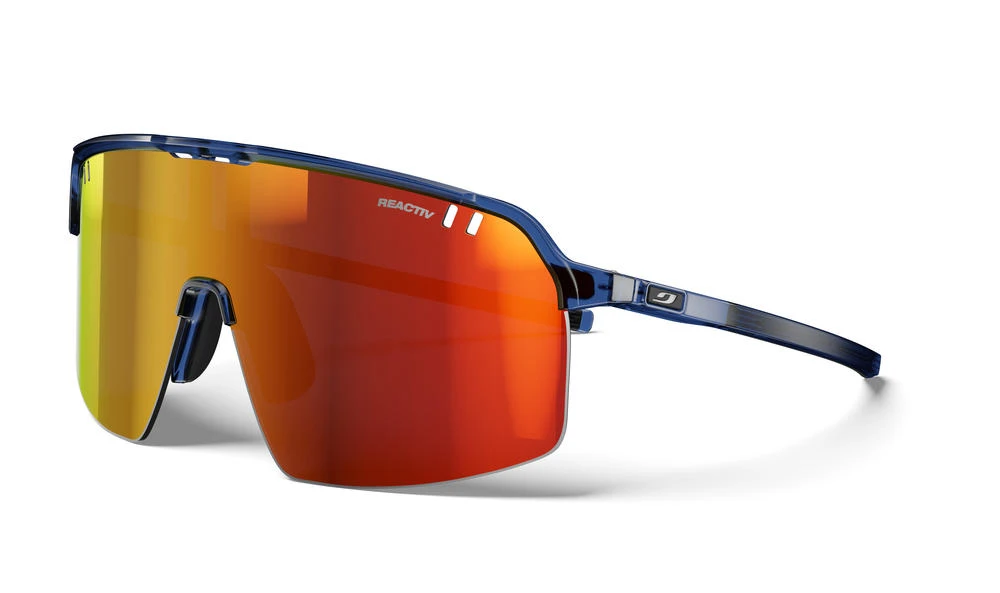
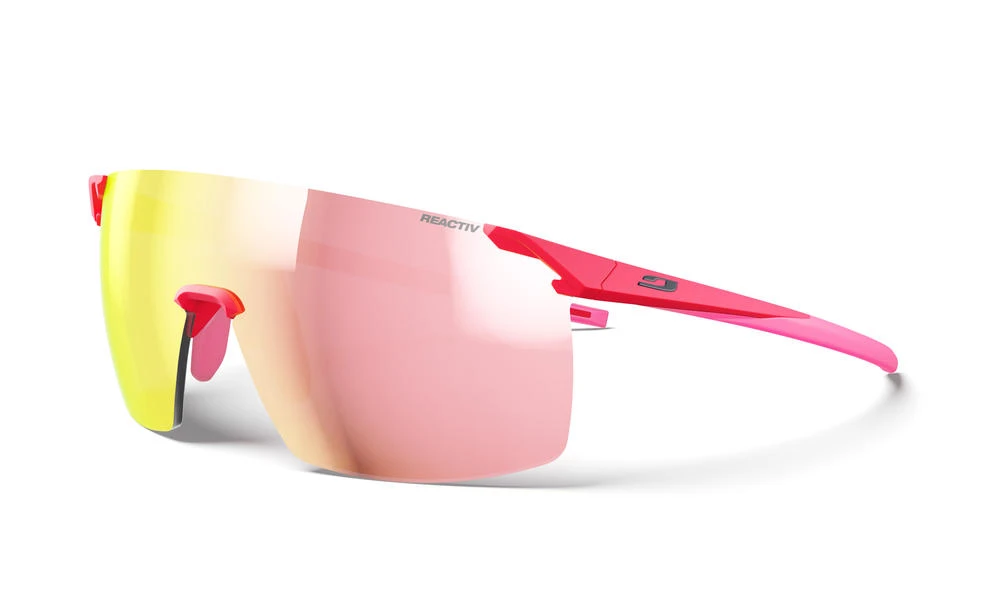
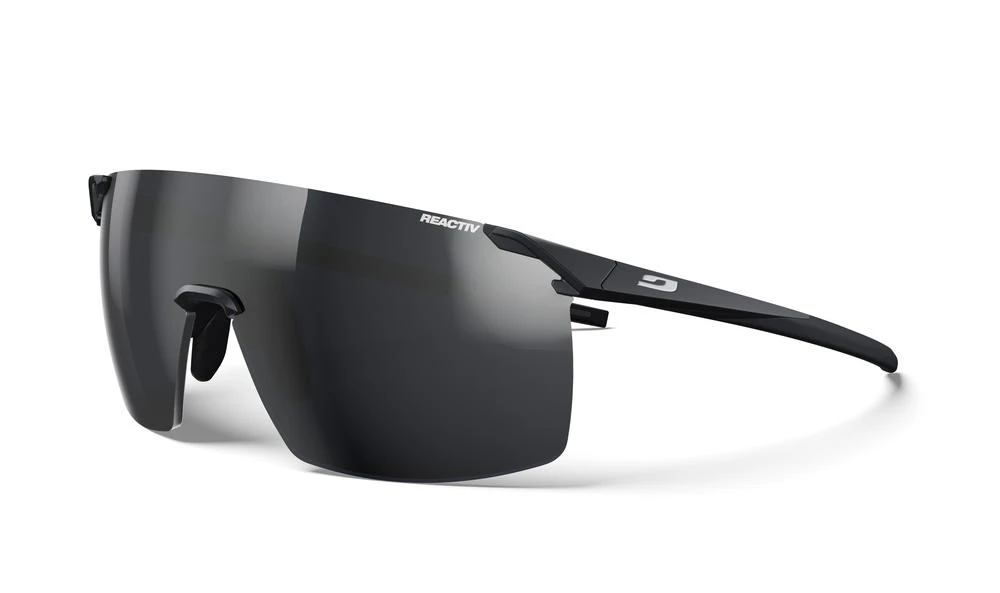
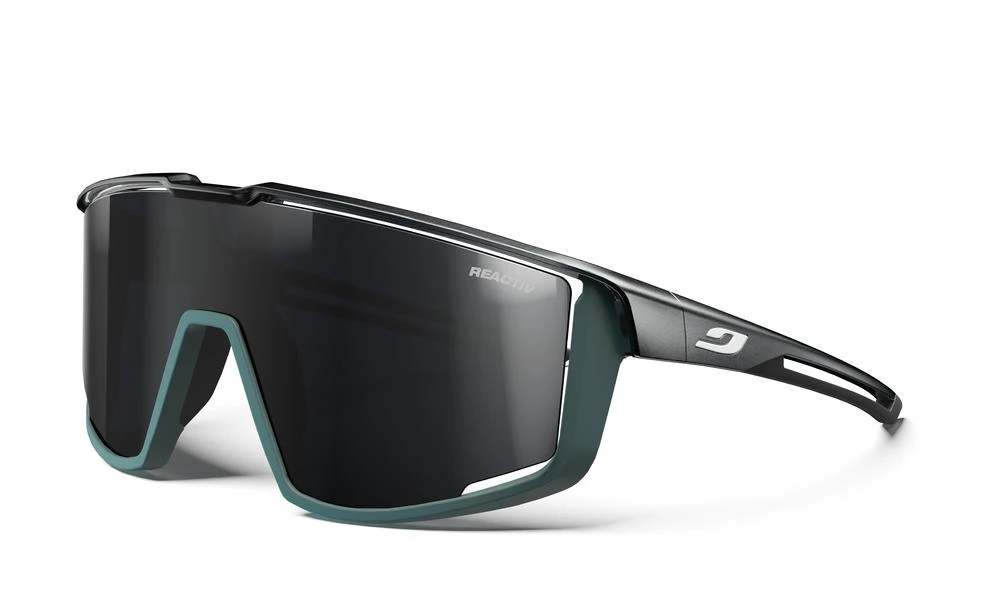
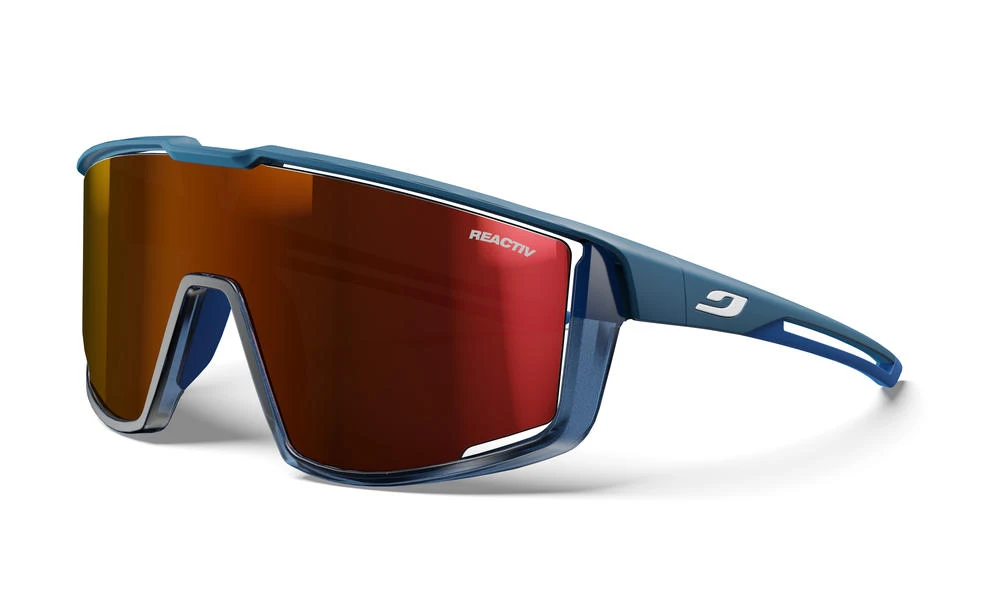
REACTIV 1-3 High Contrast
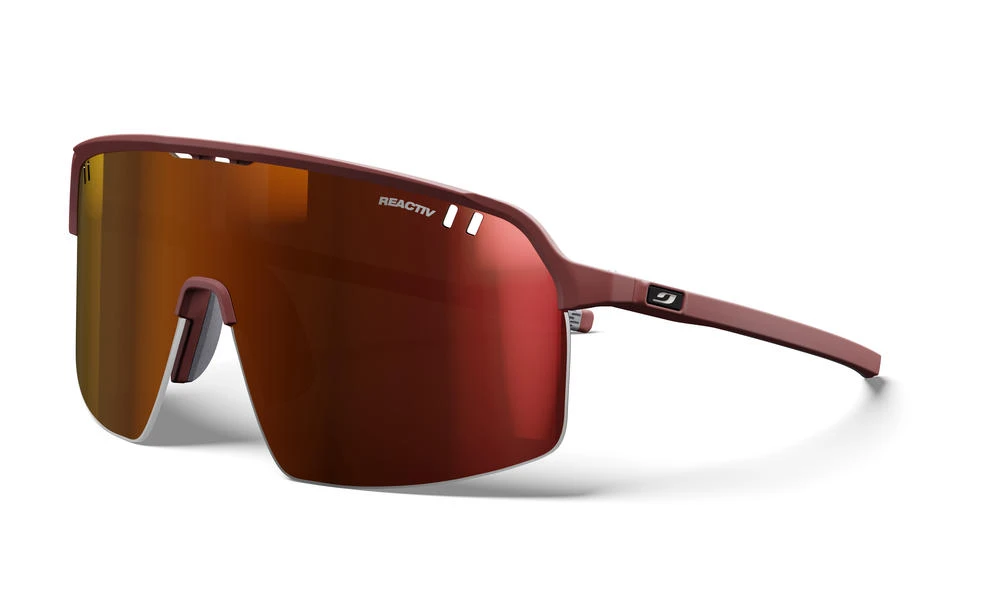
INTENSITY REACTIV
Lightweight and ventilated sunglasses with enhanced grip, perfect for cycling and trail running with high-performance lenses

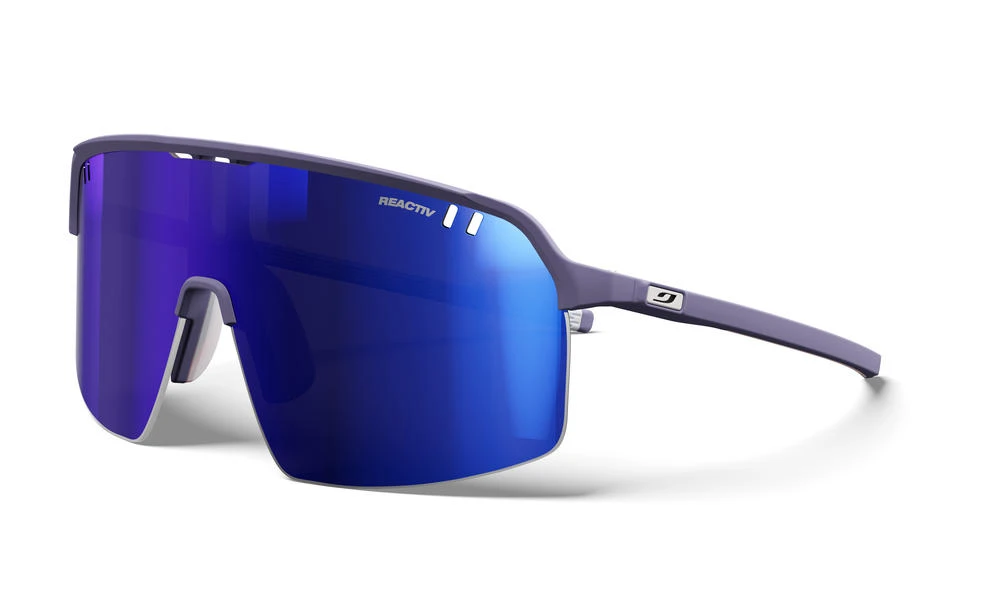
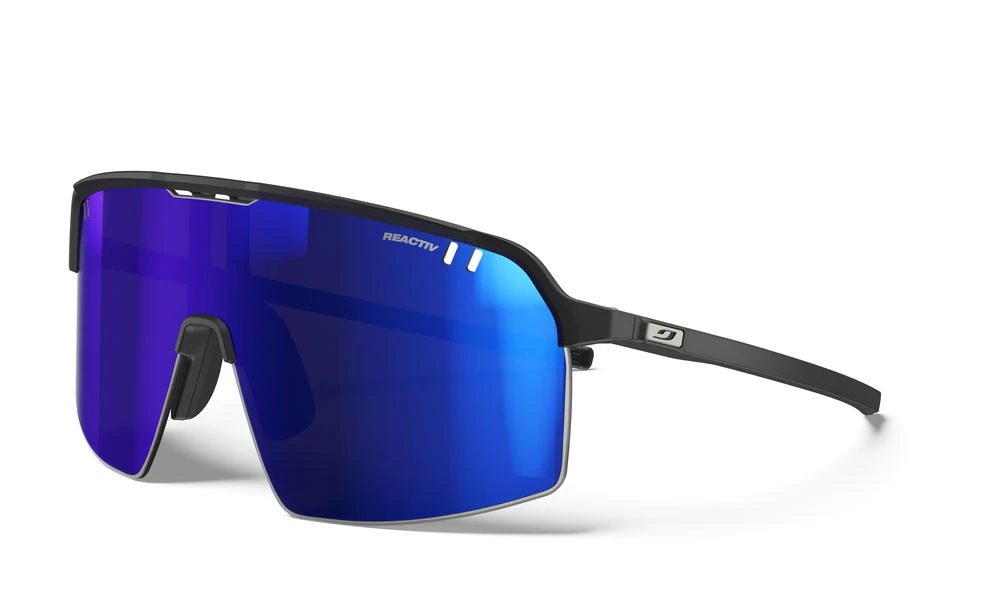
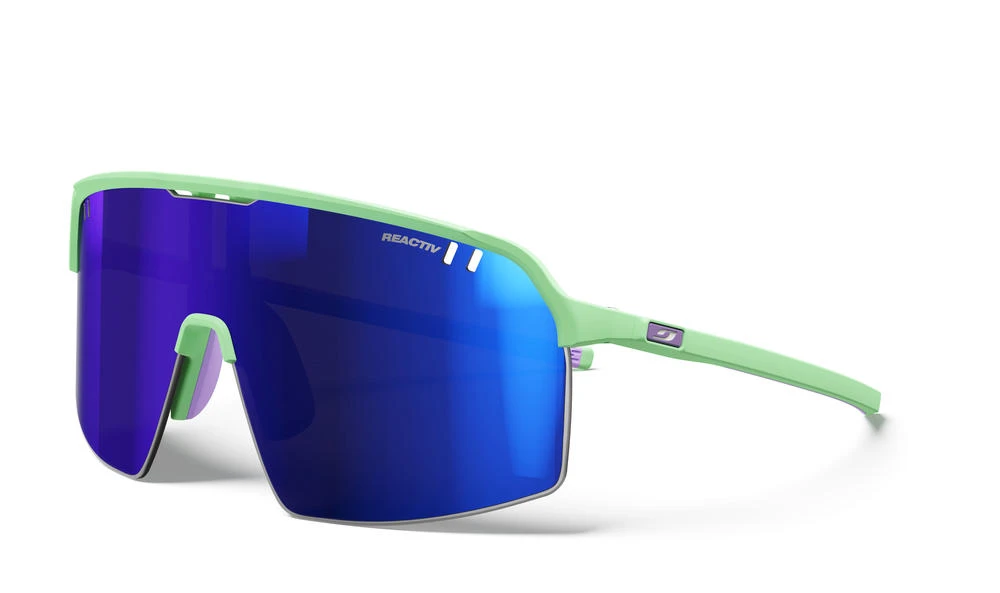
REACTIV 1-3 High Contrast
FASTER S REACTIV
Ultra-light, streamlined sunglasses designed for narrow faces seeking performance
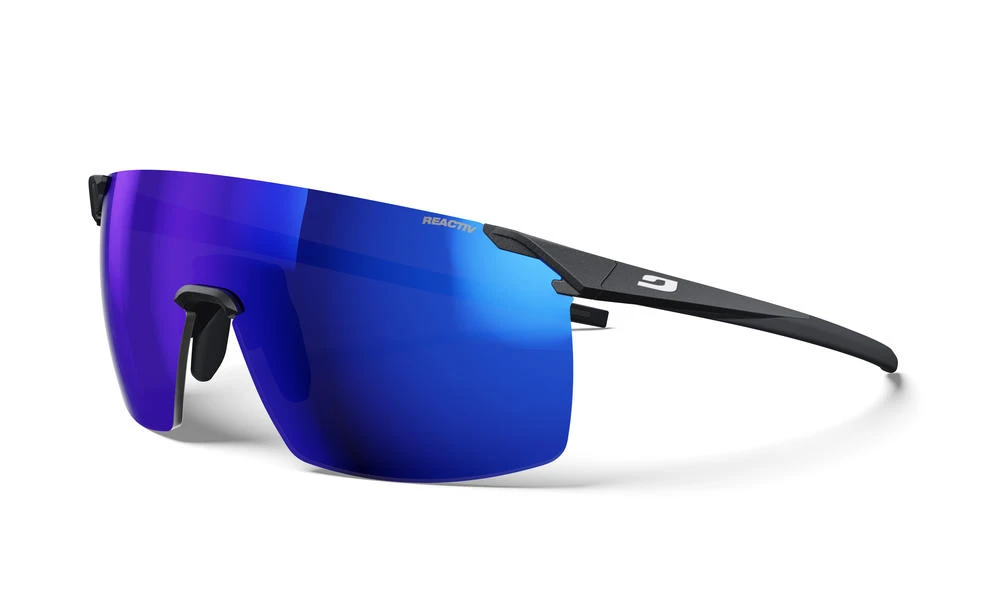
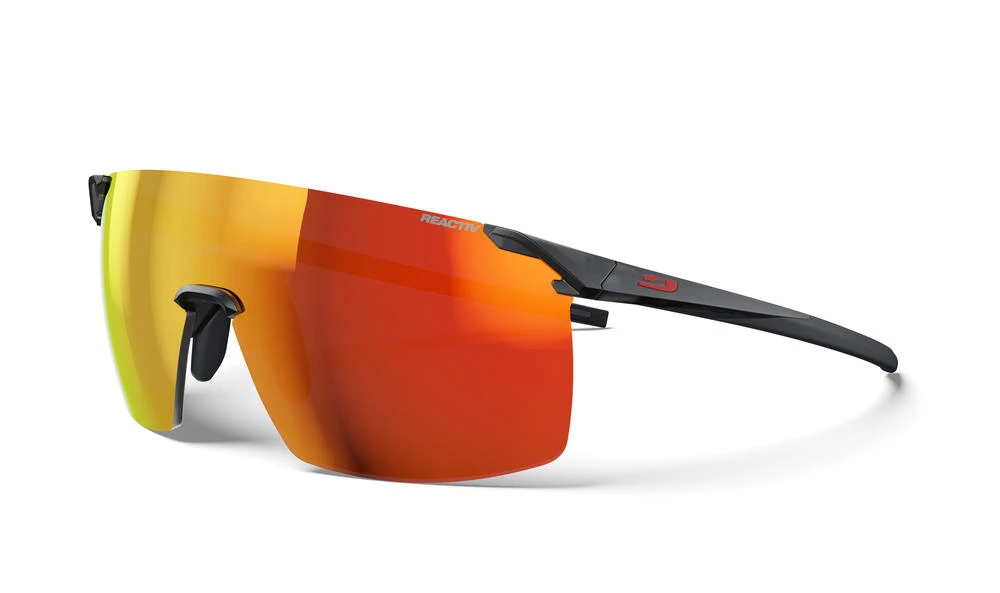
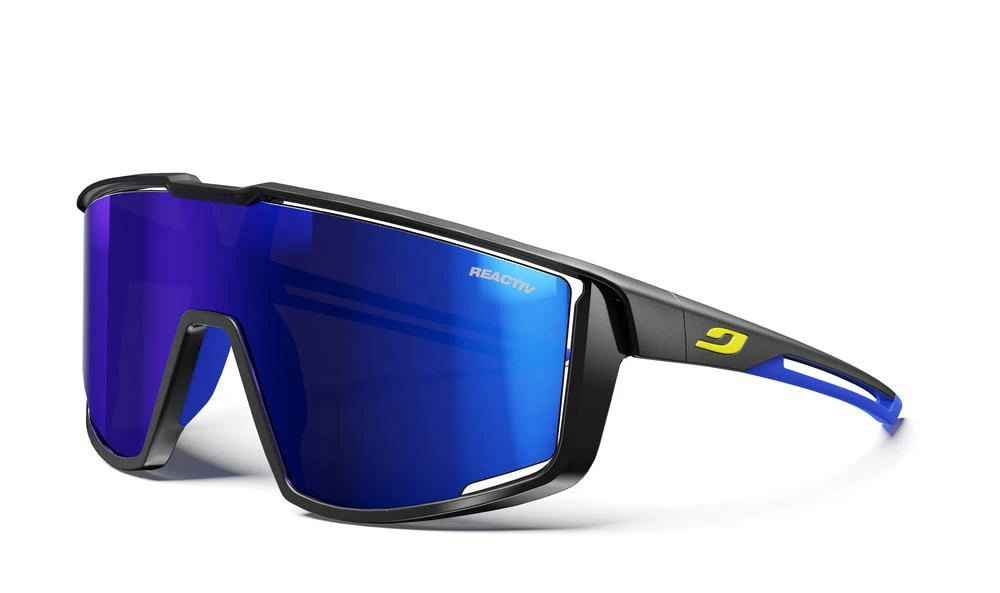
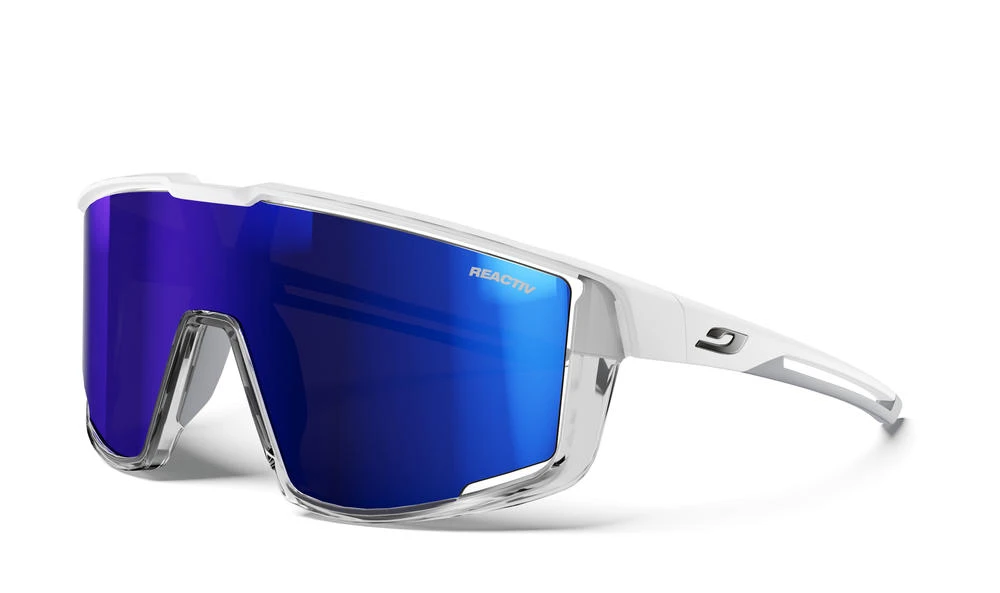
REACTIV 1-3 Light Amplifier
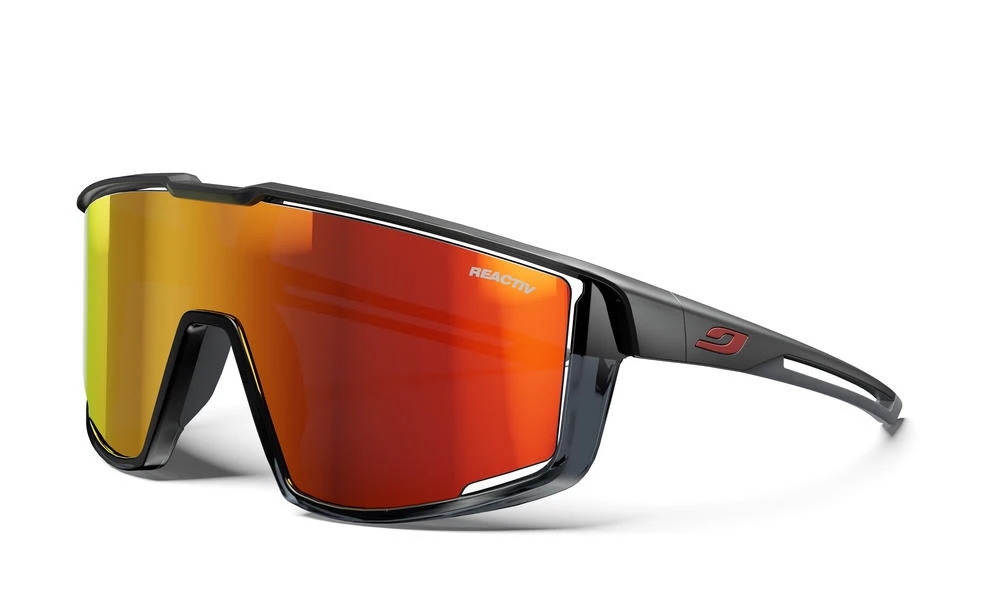
FURY REACTIV
Sunglasses for speed sports





What are the bonuses paid during the Tour de France?
Besides the fixed salary paid by the team, the Tour de France generates a system of bonuses that rewards each performance, stage after stage. These amounts are distributed by the organizer ASO and are mostly shared among all team members, following rules unique to each team.
Here are the main bonuses from the final ranking:
- General classification winner: 500,000 euros
- Second overall: 200,000 euros
- Green jersey (points classification): 25,000 euros
- Best climber (polka-dot jersey): 25,000 euros
- Best young rider (white jersey): 20,000 euros
- Best team in the Tour: 50,000 euros
On top of these final rewards are the stage bonuses. Each race day, the first twenty riders to cross the line share a pot. The stage winner pockets 11,000 euros, the second gets 5,500 euros, and the third 2,800 euros. Intermediate sprints and mountain bonuses also bring in extra cash. The wearer of the yellow jersey earns 500 euros per day just for having the golden jersey on their back. Every kilometer counts, every second has its price.
These amounts might seem high, but it’s important to remember that bonuses are generally redistributed within the team. A domestique sacrificing his race to protect his leader may not win a stage bonus, but benefits from the collective sharing. That’s the law of the peloton: effort is individual, but the reward is collective.
How much does the winner of the Tour de France earn in total?
Winning the Grande Boucle means entering a different world. The winner of the Tour de France doesn't just take home the 500,000 euros for the general classification. He also adds up bonuses from stages won on the way, bonuses from special jerseys worn throughout the race, and gains linked to intermediate rankings.
But that's not all. The final victory on the Champs-Élysées launches a rider into a whole new economic dimension. Sponsorship contracts skyrocket, requests for public appearances multiply, and the champion's market value in transfers climbs to new heights. A Tour winner can charge between 15,000 and 30,000 euros for a corporate talk. Their next contract salary will also reflect this achievement.
Riders like Wout van Aert or Mathieu van der Poel, even without a final victory in the Tour, are among the world's highest-paid cyclists thanks to their versatility and ability to win Tour stages and legendary classics. The amount of their annual income is well above the peloton average.
Beyond bonuses: how do riders supplement their income?
Race bonuses make up only part of a professional cyclist’s income. Sponsorship contracts are a major source of earnings, especially for team leaders and the most high-profile riders. Equipment suppliers, nutrition brands, technical accessories manufacturers: every partnership adds a line to an already full contract.
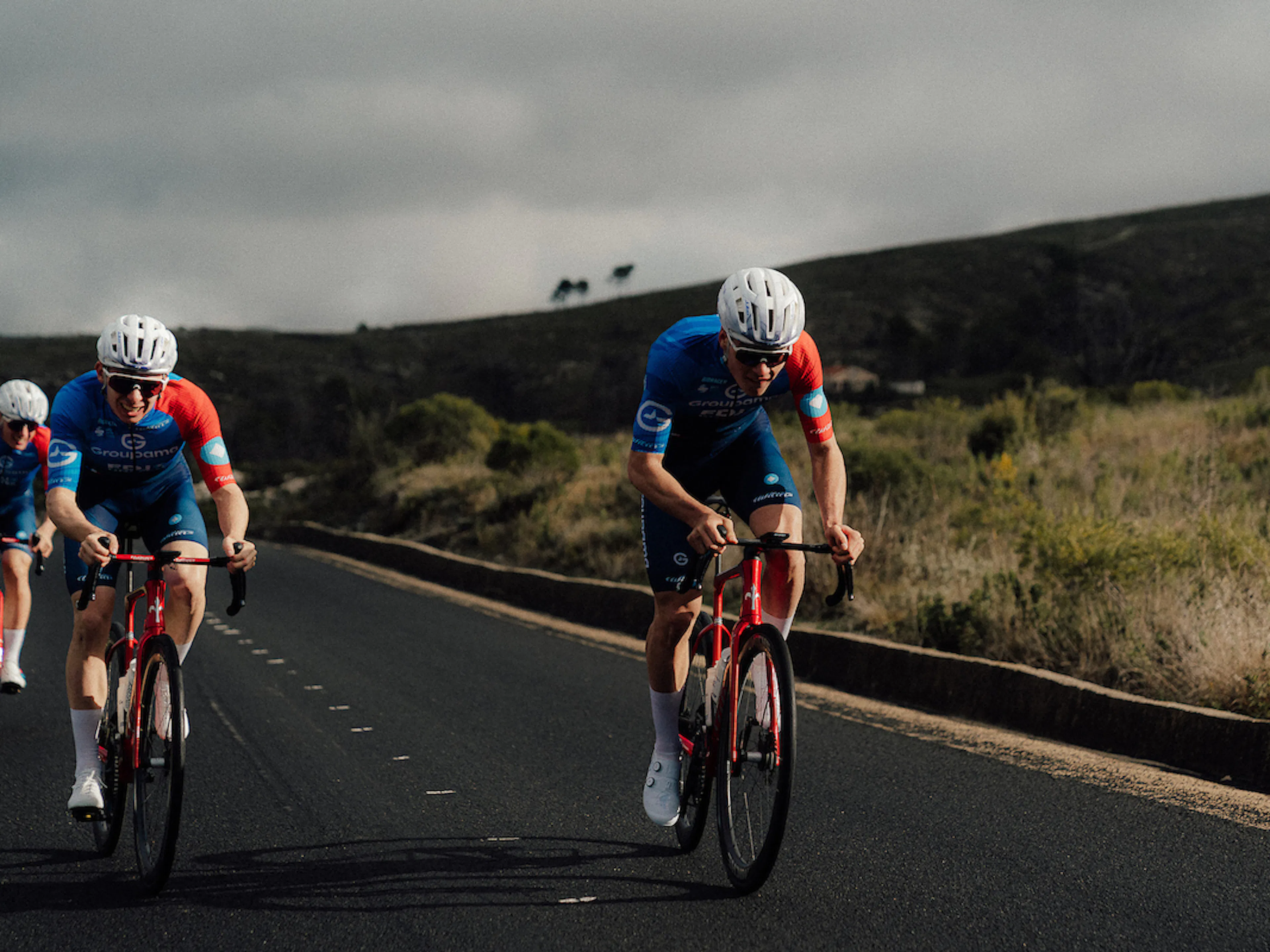
Equipment also plays a key role in professional riders’ daily lives. Between long mountain stages, technical descents and sometimes extreme weather, riders rely on top-level gear, from cycling glasses to road bike helmets designed for performance and protection.
What should we take away about Tour de France rider income?
The Tour de France is much more than just a race. It’s an economic ecosystem where every performance has value, every special jersey tells a story, and any stage can change a career. Between the fixed salary from the team, stage bonuses, final classifications and additional earnings, how much a Tour de France rider earns depends first of all on their level, their role within the team, and their ability to shine on the roads of France.
What never changes, though, is the absolute demand this race requires. Three weeks of effort, thousands of kilometres in the legs, sometimes extreme conditions: to reach the top of the general ranking, talent is not enough. It takes flawless preparation, top-notch equipment and a tightly-knit team built around a common goal. The rest is the magic of the Tour.