Tour de France race bib: how to find your way around the Grande Boucle?
Along the roads of the Tour de France, every detail tells a story. A rider’s bib, that small square of fabric pinned to the jersey, is much more than just an identification number. It reflects a system, a hierarchy, and sometimes even superstition. Here’s everything you need to know about how bib numbers are assigned in the world’s greatest cycling race.
How are rider numbers assigned in the Tour de France?
The ASO, the organizer of the Grande Boucle, follows a precise rule for assigning bib numbers. The reigning champion from the previous edition inherits bib number 1. If the reigning champion does not start, then the designated leader of their team carries that iconic number. This tradition gives a strong symbolic meaning to each new Tour edition.
The same system applies to the other teams. The rider who finished second overall the year before receives number 11, the third-placed gets number 21, and so forth. For teams whose riders did not place high individually, order is determined by the team classification or, if needed, alphabetically. Every rider within the same team gets a consecutive number, from team leader down to support riders.
Practically speaking, here’s how bib numbers are distributed per team:
- Numbers 1 to 9 are assigned to the team of the defending champion
- Numbers 11 to 19 go to the team whose leader finished second
- Numbers 21 to 29 go to the team whose leader finished third
- Subsequent teams receive numbers following this pattern right up to the last team entered.
For the Tour de France 2025, Tadej Pogacar, winner of the 2024 edition with UAE Team Emirates, proudly wore bib number 1. His teammates from UAE Team Emirates XRG wore numbers 2 to 9. Meanwhile, riders from Team Visma, Team Picnic PostNL, and Uno-X Mobility sported their own series of bib numbers.
What do the bib colors mean in the Tour?
Beyond the number itself, the color of the bib holds valuable information about the race classifications and honorary distinctions. For fans at the roadside as well as passionate followers of pro cycling, these color codes are a deep-rooted part of Tour culture.
The yellow bib is perhaps the most coveted. It is worn by riders of the best team in the team classification, calculated by adding up times of each team member. These riders also wear a yellow helmet, echoing the mythical yellow jersey of the overall leader. The yellow jersey theme thus features at several levels of the race.
The red bib, or sometimes a beige bib depending on the year, distinguishes the most combative rider. A jury designates the day’s most aggressive rider, who wears this special bib the next day. This award honors boldness, attacks, and an aggressive spirit—all qualities that thrill cycling fans on the roads of Alpe d’Huez or in the Pyrenean mountain passes.
These visual distinctions help everyone follow the race with a sharper eye. Whether you’re watching the Tour from your sofa or soaking in the unique atmosphere roadside at a stage, knowing how to read a bib number truly enriches your experience.
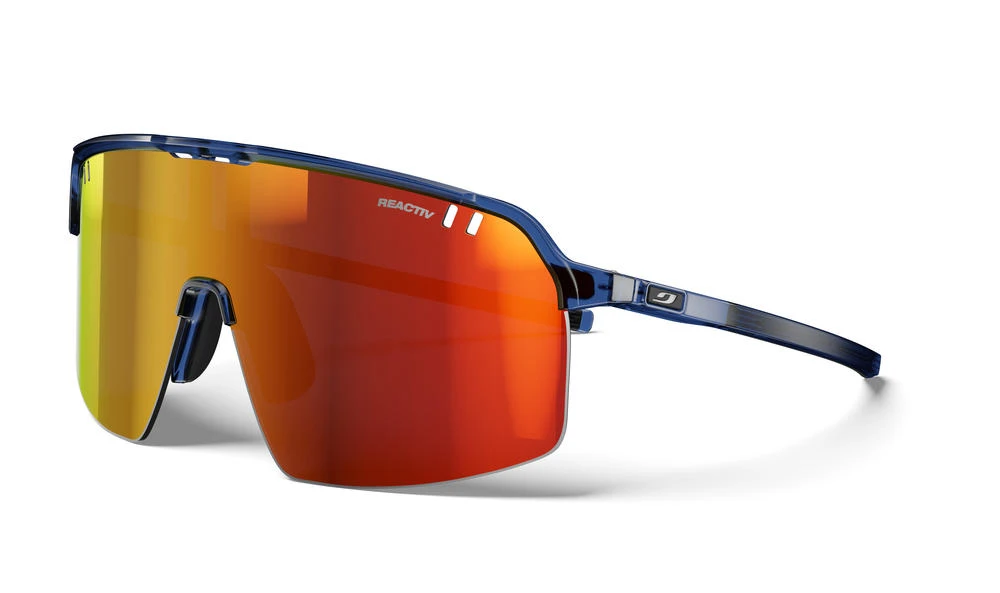
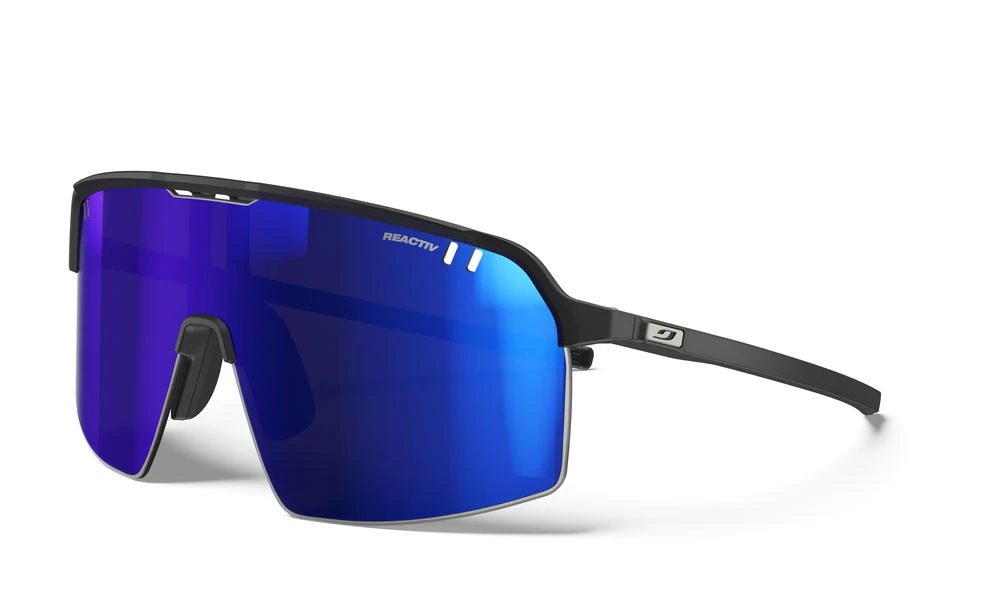
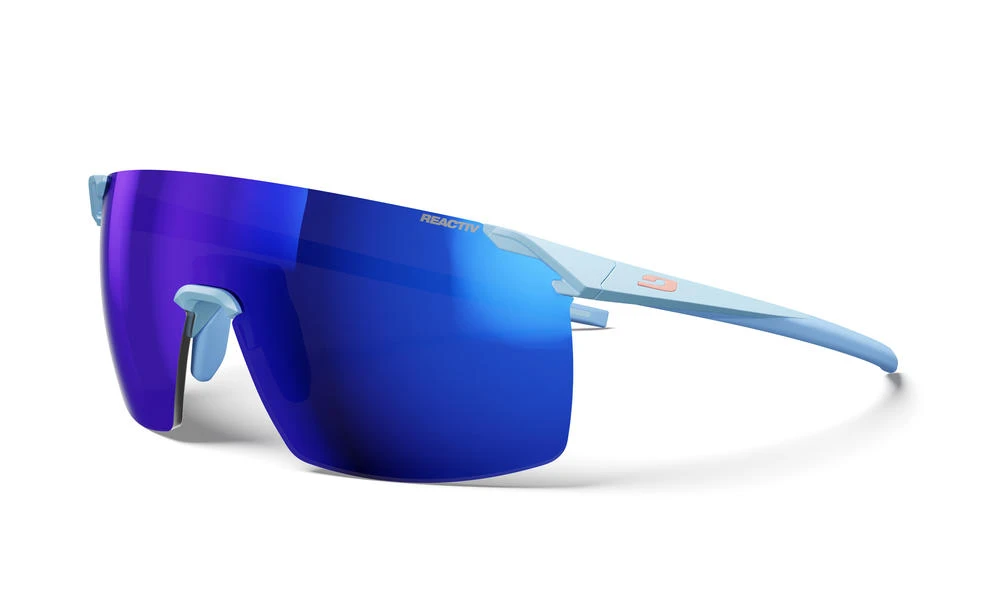
REACTIV 1-3 High Contrast
INTENSITY REACTIV
Lightweight and ventilated sunglasses with enhanced grip, perfect for cycling and trail running with high-performance lenses

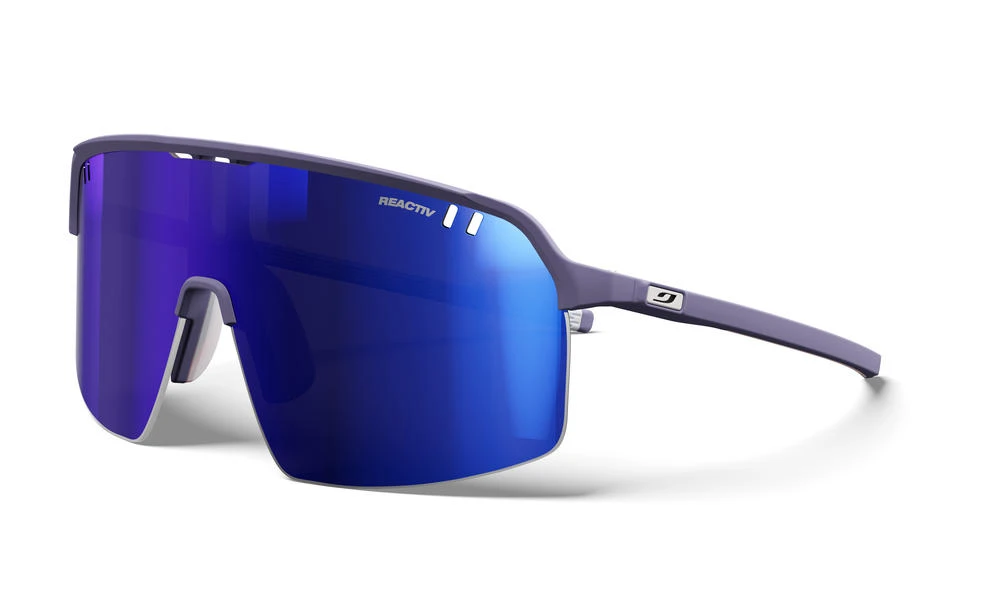
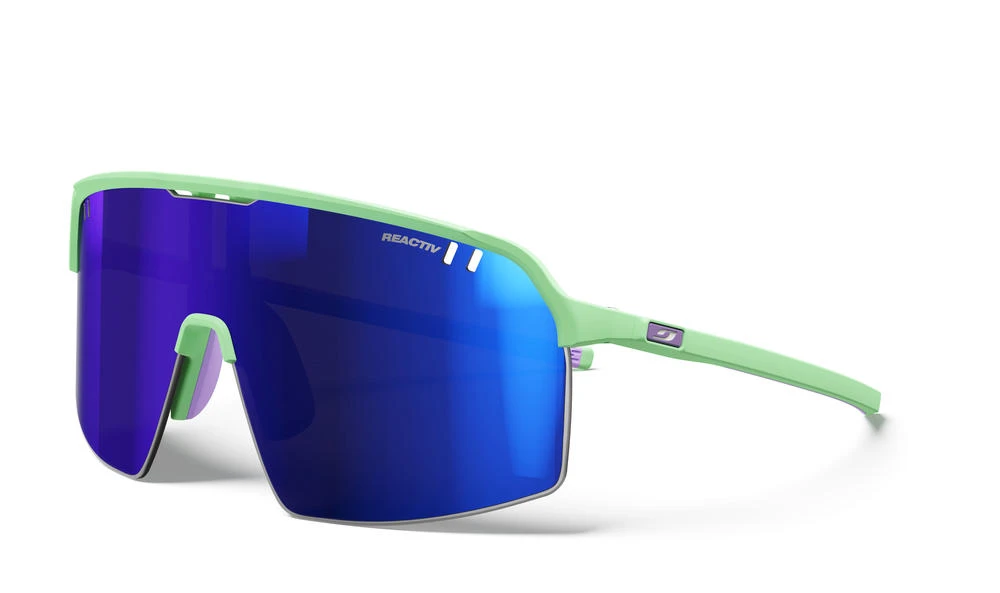
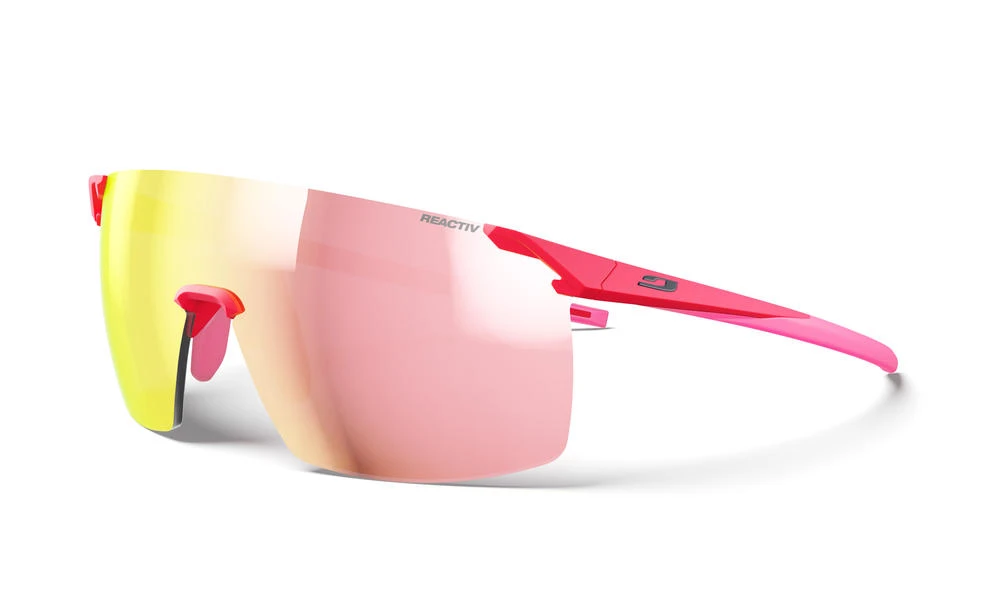
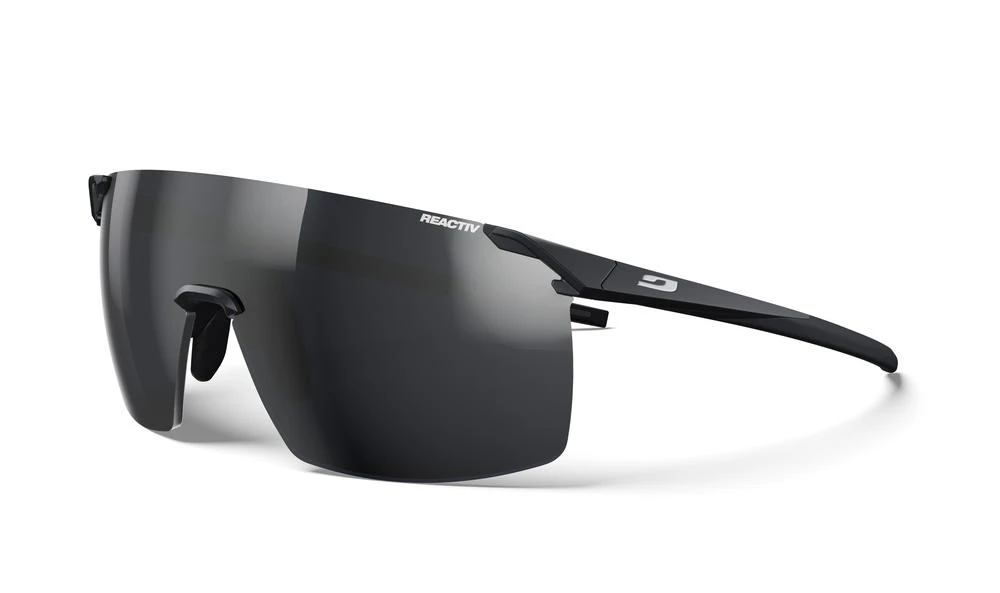
REACTIV 1-3 High Contrast
FASTER S REACTIV
Ultra-light, streamlined sunglasses designed for narrow faces seeking performance
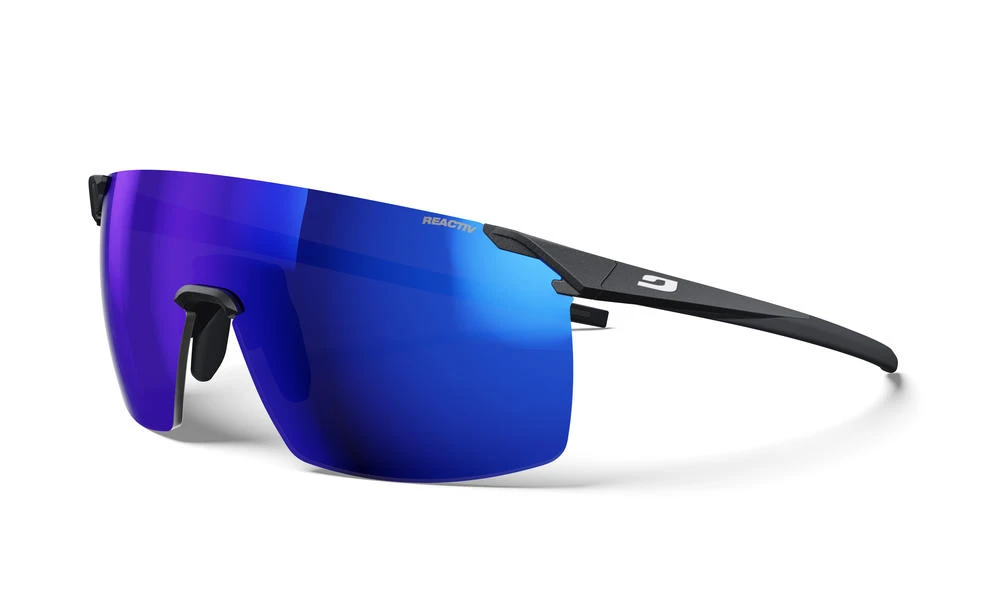
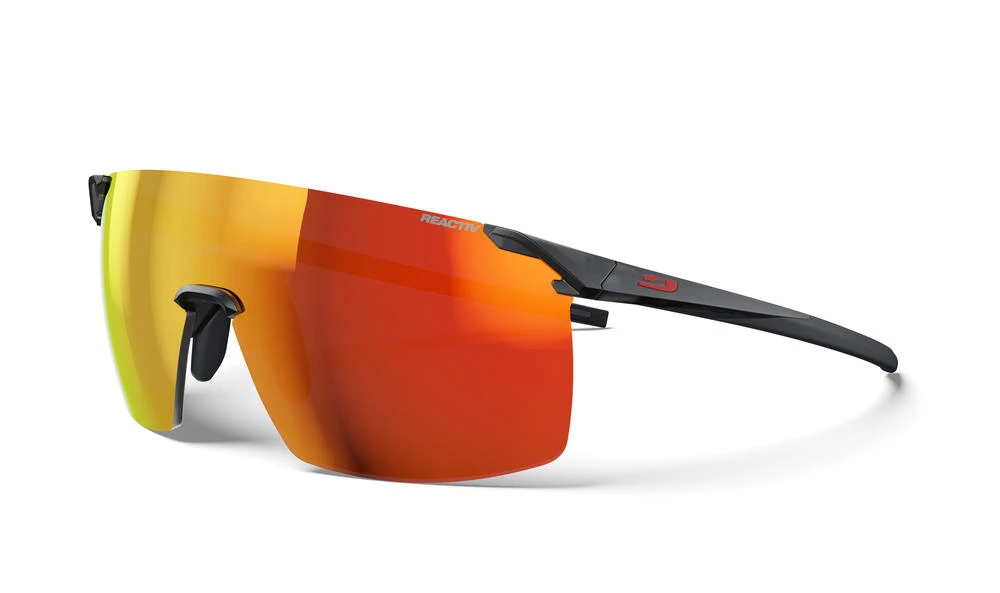
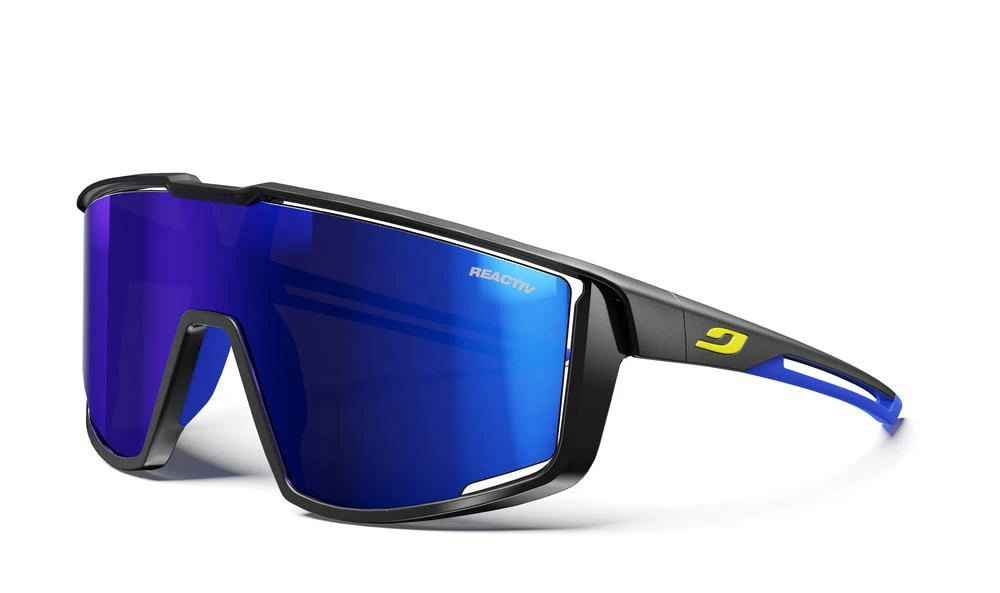
REACTIV 1-3 Light Amplifier
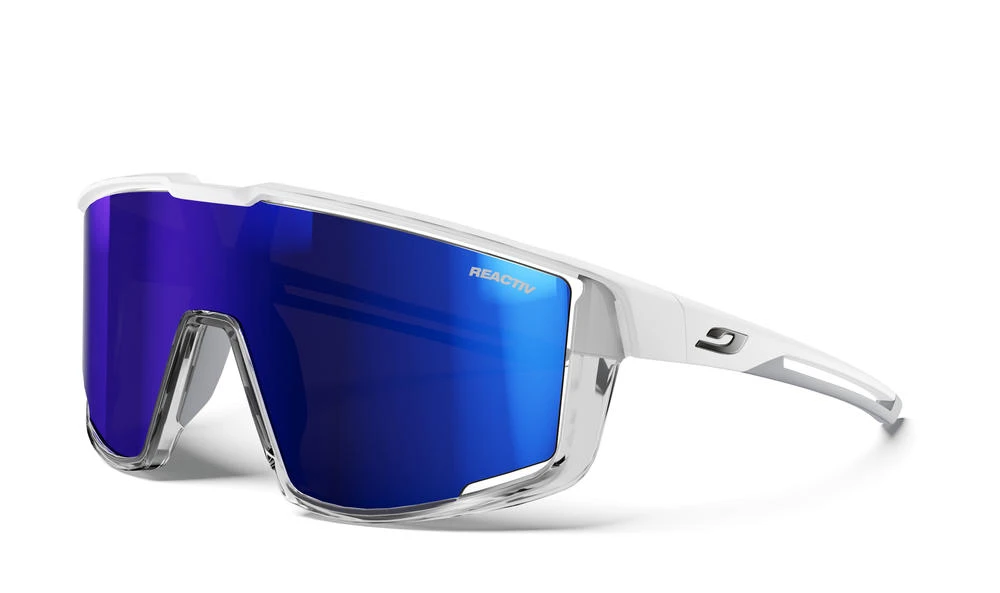
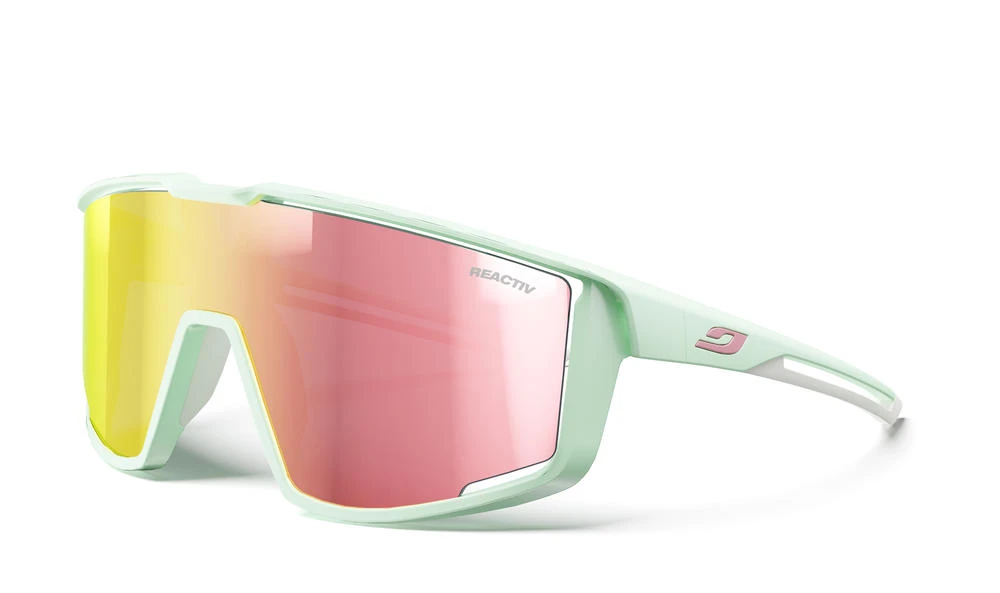
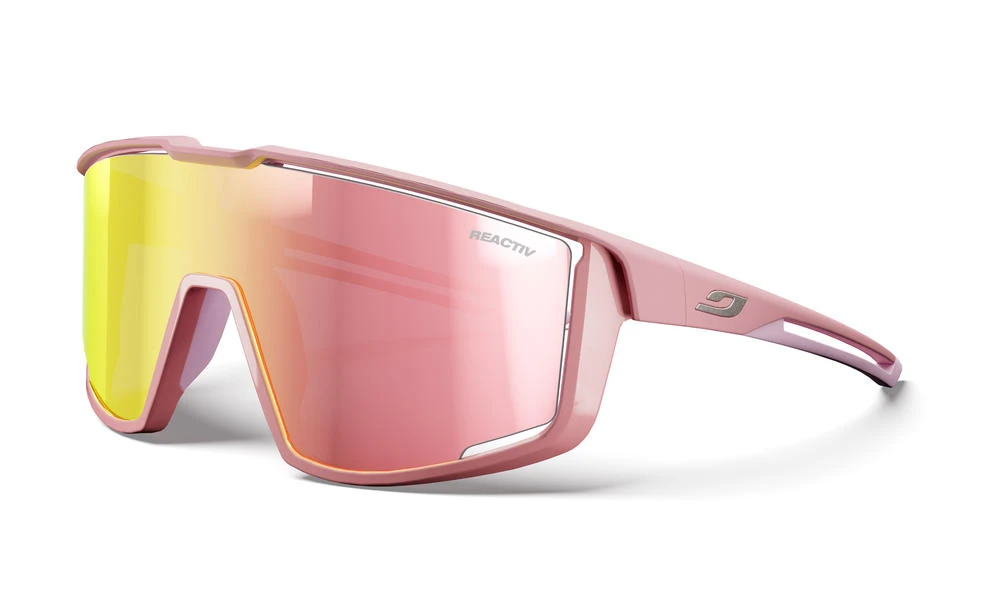
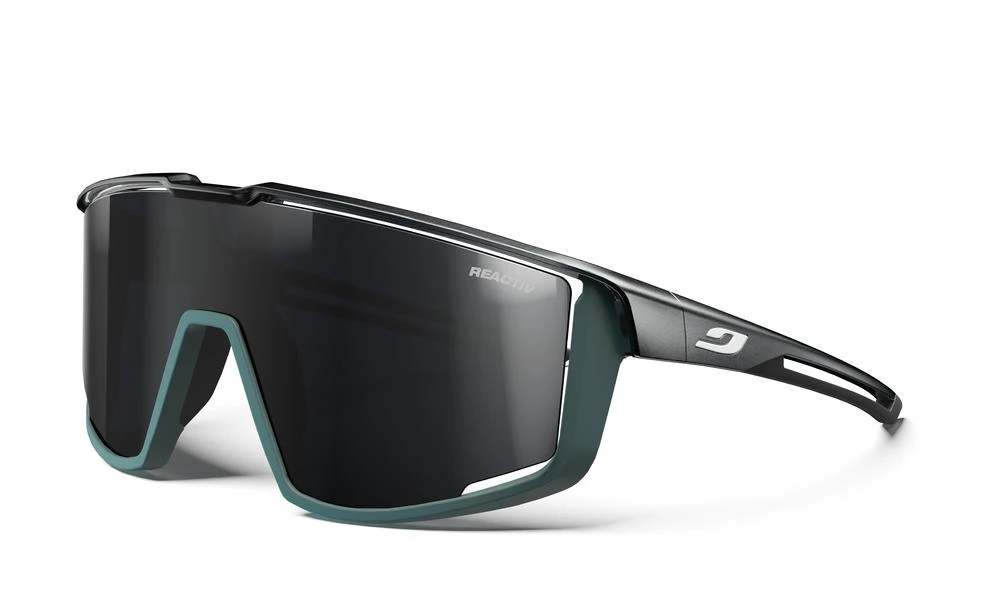
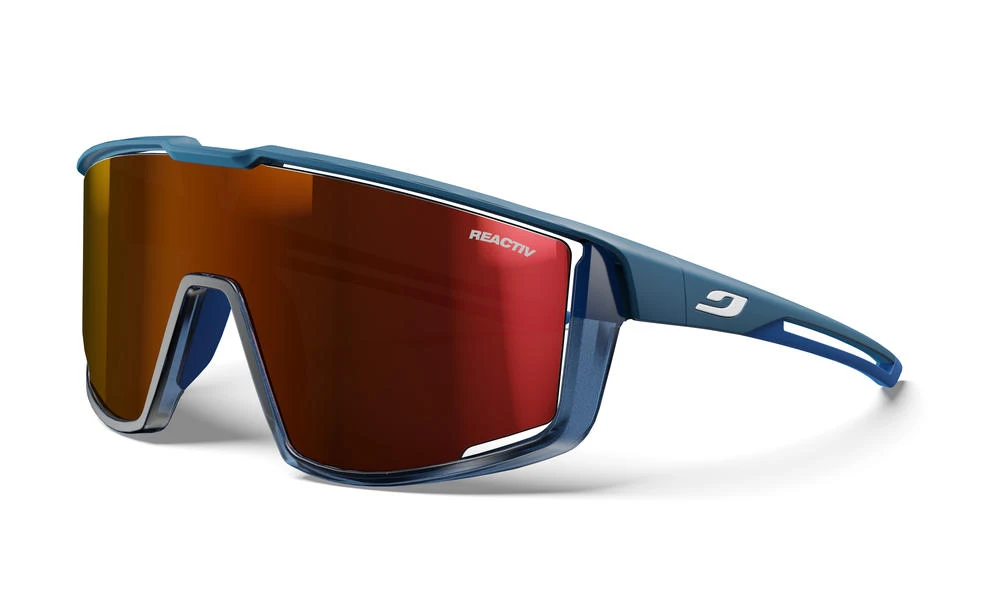
FURY REACTIV
Sunglasses for speed sports

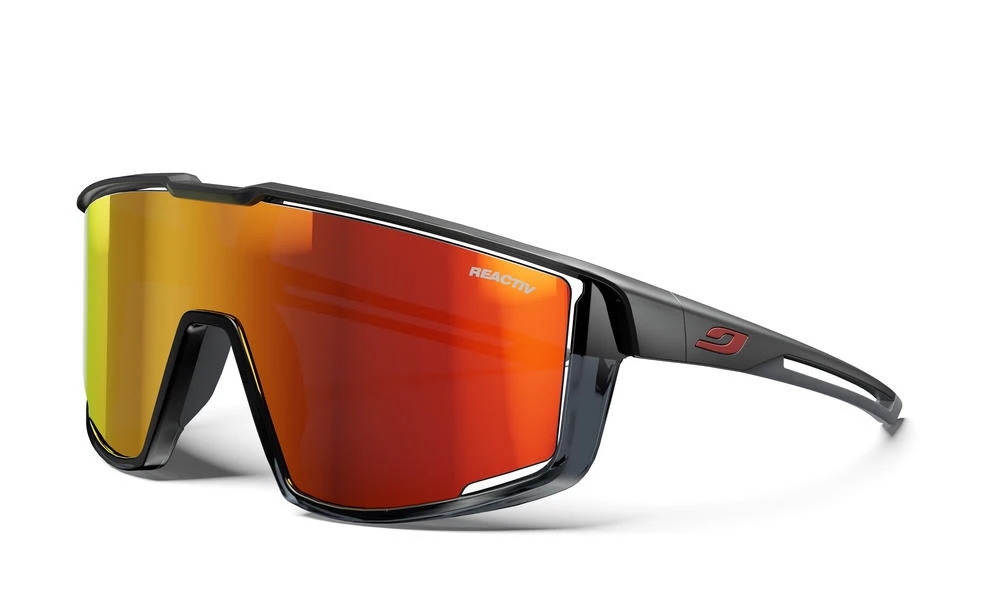
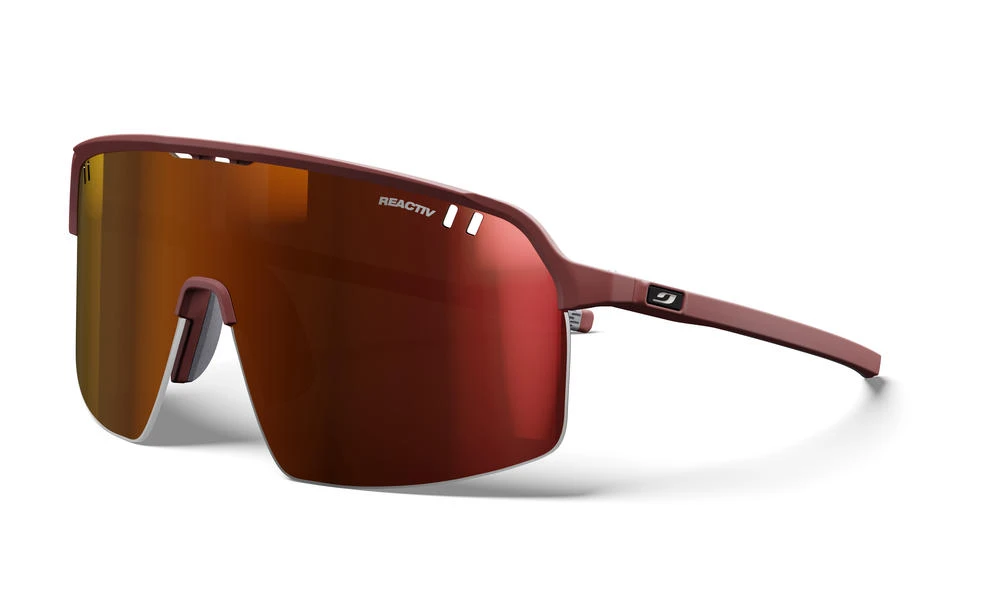

Number 51, a bib number that became Tour legend
In the history of the Tour de France, certain bib numbers have taken on nearly mythical status. Number 51 is the most striking example. Over just a few decades, this bib was worn by absolute greats: Eddy Merckx, Bernard Hinault, and more recently Julian Alaphilippe on the opening stage of the 2021 edition.
But number 51 has also seen darker moments. In 2019, Thibaut Pinot, in great form and a serious yellow jersey contender, had to abandon the Tour while wearing this number. It was an emotive scene throughout France, reminding us that cycling is above all a sport of rare human intensity.
This emotional dimension, this blend of glory and vulnerability, is exactly what makes the Tour de France so unique. Every bib number, every stage, carries with it a piece of collective history.
L'Étape du Tour: Experience the Grande Boucle with your own bib
For passionate amateur cyclists, there is a unique way to experience the Tour de France from the inside: by taking part in L'Étape du Tour. Each year, this open event allows thousands of amateur riders to set off on an official Tour stage, with their own bib on their back.
Bibs for L'Étape du Tour are highly sought after and often sell out within just a few hours. Recent editions have sold out rapidly, confirming the Tour’s enduring popular appeal among the general public.
Facing such a challenge requires proper physical preparation, of course, but equipment is just as crucial. On Tour roads, between long technical descents and sun-baked ascents, eye protection is essential. Road cycling glasses are among the must-haves for tackling each stage comfortably, whatever the light conditions. If you’re looking to upgrade your safety gear, consider also getting a cycling helmet worthy of your ambitions.
Because whether on Tour roads or your daily routes, every outing deserves the best possible protection. Clear vision, elevated performance.