What is the weight of Tour de France bikes?
Every summer, Tour de France bikes both inspire and amaze. Extreme lightness, flawless stiffness, exceptional materials: these machines are the product of a relentless quest for performance. But how much does a professional road bike for the Grande Boucle actually weigh? And why is this weight so strictly regulated? Here’s an overview of an obsession that has fascinated the cycling world for more than a century.
How much does a Tour de France bike weigh today?
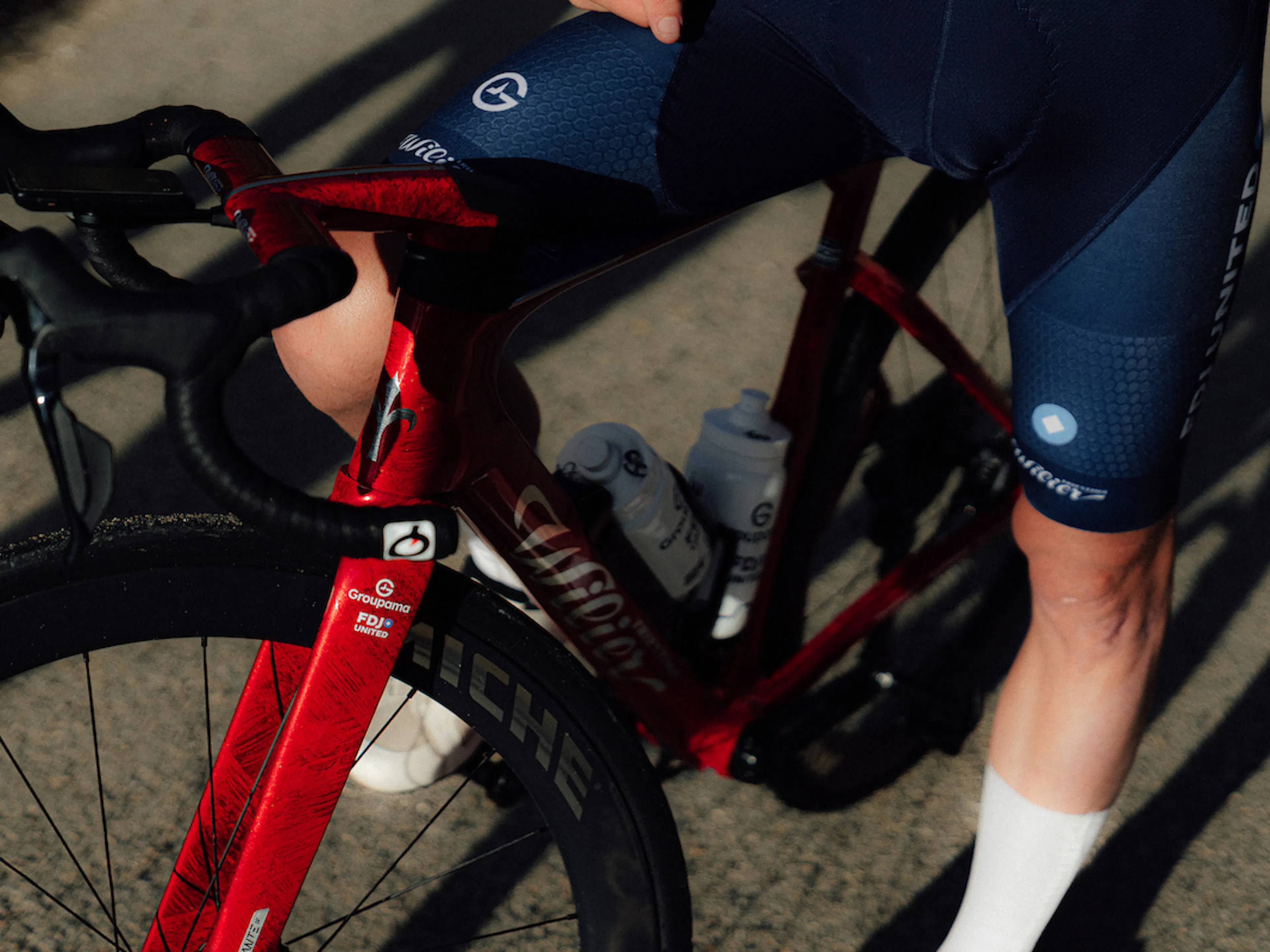
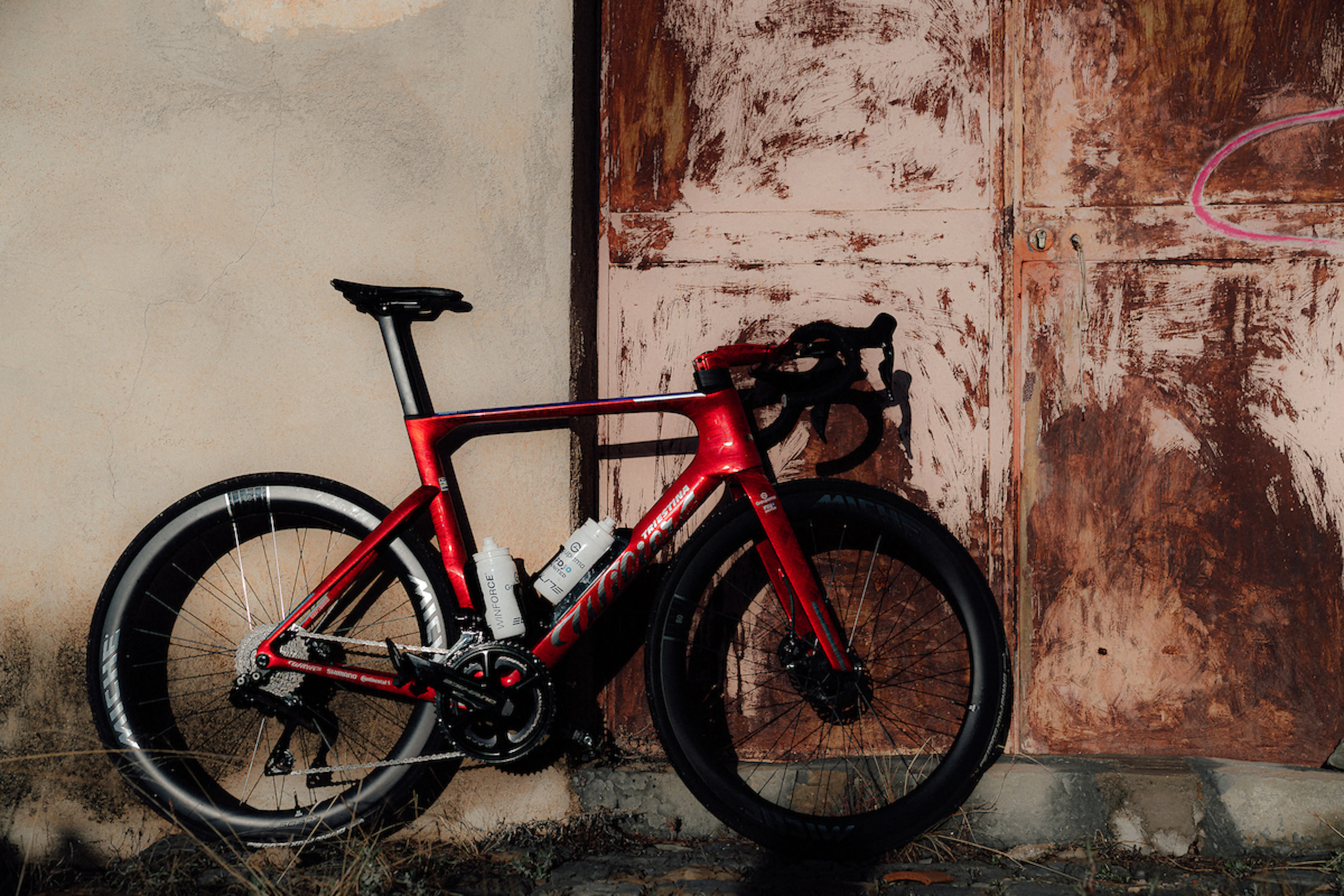
The answer comes down to a few specific figures. Since 2000, the Union Cycliste Internationale (UCI) has set a minimum weight limit of 6.8 kg for any racing bike used in competition. This rule applies to all bikes in the Tour, whether it's a model intended for mountain stages or a time trial bike.
In practice, most professional teams try to get as close as possible to this limit. Riders' road bikes typically weigh between 6.8 and 7.2 kg, depending on their setup, equipment onboard, and the characteristics of each stage. Every gram counts, and no one knows this better than the teams themselves.
What makes these machines exceptional is the ingenuity required to reach this threshold while guaranteeing stiffness, efficient power transfer, and rider safety. A Tour bike isn't just light: it's precise, responsive, and built to endure thousands of kilometres in the most demanding conditions.
Why did the UCI set the weight limit at 6.8 kg?
It's a fair question. Why set a minimum and not a maximum? The logic is straightforward: without this regulation, the race for the lightest bike imaginable would have forced manufacturers to go to extremes incompatible with rider safety. By the early 2000s, carbon fibre and new production technologies already enabled designers to build frames well below this limit. The Union Cycliste Internationale made its choice, setting 6.8 kg as the lower boundary to ensure fairness in competition and protect the physical safety of professional riders.
This decision remains a central talking point within cycling circles. Many manufacturers and teams are pressing for the threshold to be lowered, arguing that current technology allows for even lighter frames without sacrificing strength. The UCI, however, has not changed its stance. The 6.8 kg limit remains, and teams must operate within this regulatory ceiling.
In some instances, bikes are even deliberately weighted in order to hit the minimum exactly. A true paradox for engineers whose daily concern is shaving grams from every part.
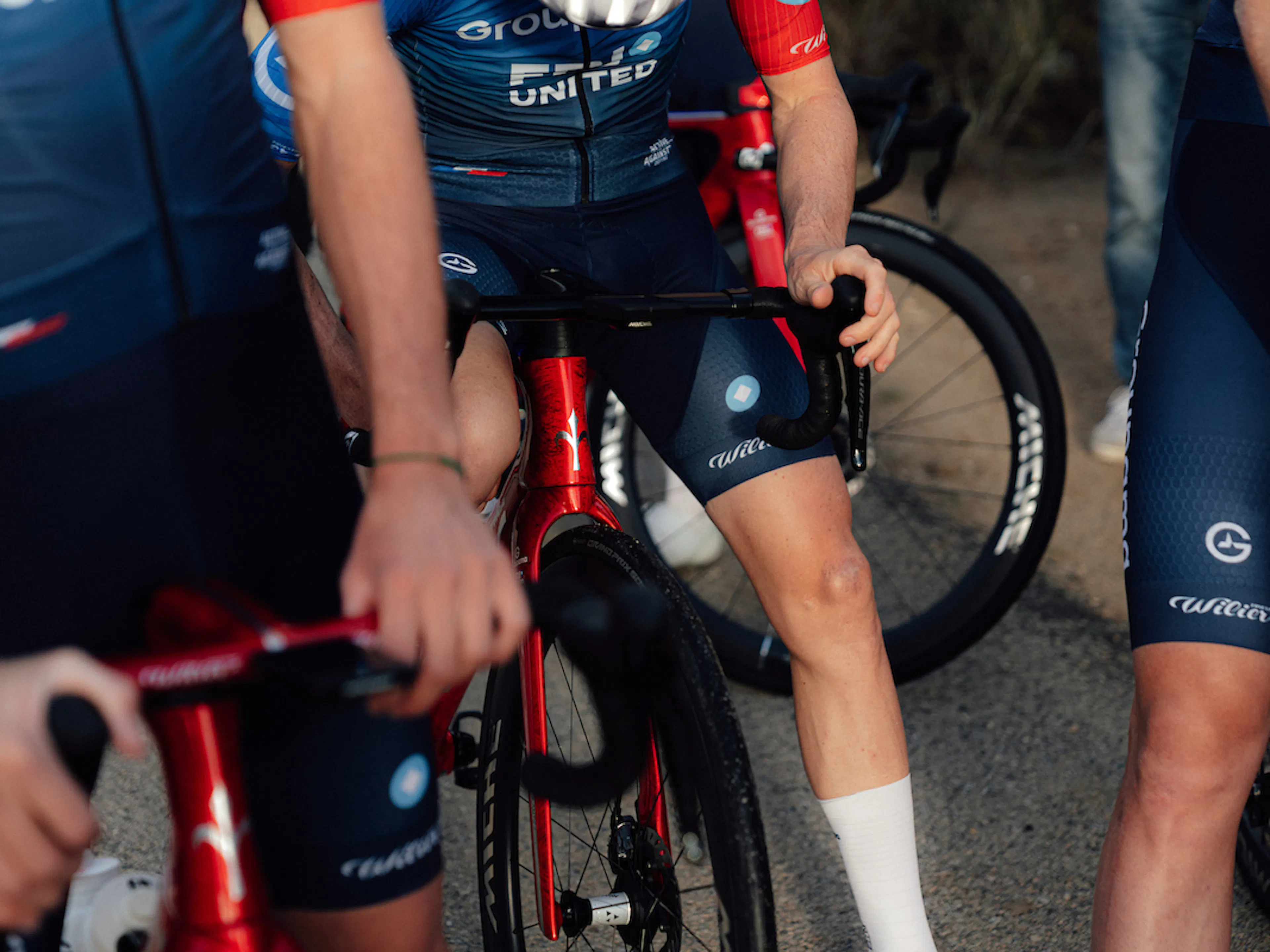
From steel to carbon: how has bike weight changed over time?
The history of Tour de France bike weight is also a story of ongoing technological breakthrough. In the first editions of the Grande Boucle in the early 20th century, riders tackled mountain passes on steel bikes weighing over 15 kg. These were robust, almost unforgiving bikes that called for significant physical power to climb mountain roads at pace.
The rate of change then accelerated with each passing decade. Aluminium first replaced steel in the 1980s and 90s, considerably reducing the mass of frames. Then carbon fibre changed everything. This composite material, offering exceptional stiffness at a low weight, gradually became the absolute standard across the professional peloton.
Nowadays, a monocoque carbon frame weighs between 900 and 1,100 grams, as opposed to 1,300 to 1,600 grams for an aluminium counterpart. This difference, multiplied by every component (wheels, groupset, handlebars, saddle), allows teams to reach the 6.8 kg threshold while maintaining a race bike robust enough for the harshest demands.
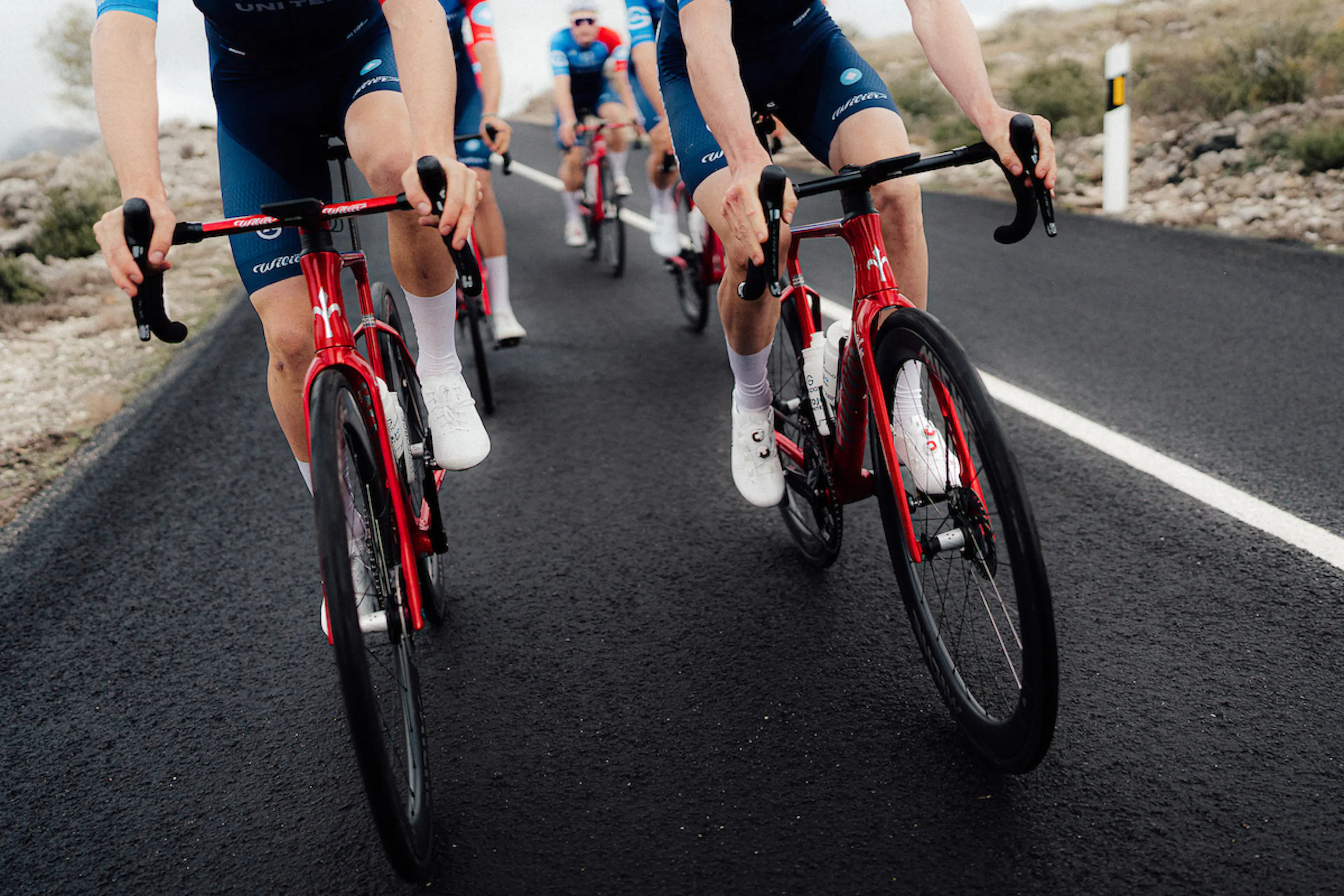
Which components affect the weight of a professional racing bike?
On a Tour bike, every part is chosen with meticulous attention to detail. The final weight is a subtle balance between several crucial elements:
- The carbon fibre frame, the centrepiece and main area targeted for weight savings
- The wheels, whose mass and stiffness directly influence responsiveness in sprints and descents
- The groupset (gears, brakes, chainset), nowadays often electronic for increased precision and minimal weight
- The saddle and handlebars, optimised in carbon to remove every unnecessary gram
- The tyres and tubes, selected depending on the stage profile
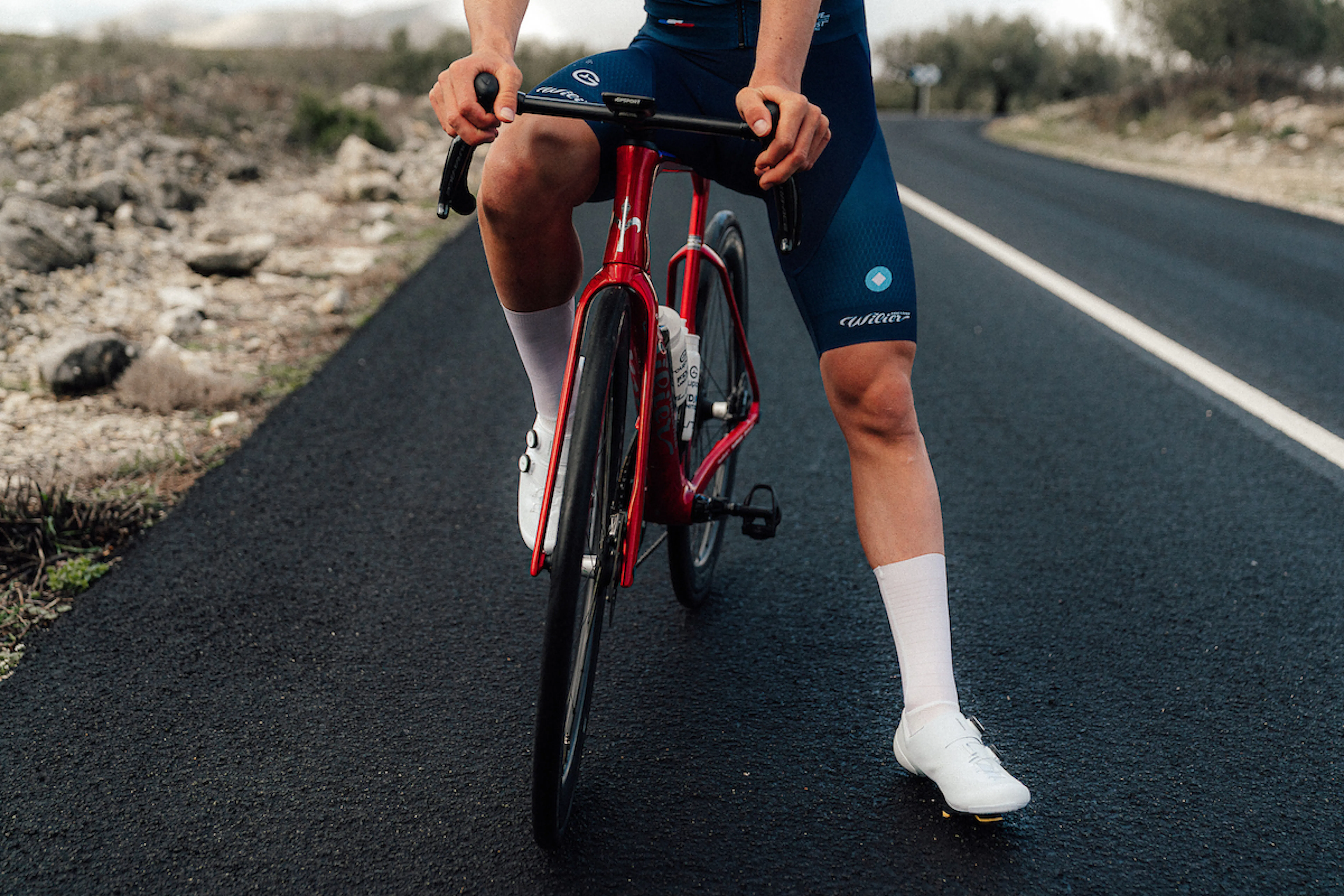
Professional teams also tailor bike setups to the demands of each stage. On the Tour, a climber won't ride the same build as a time trial specialist. Lightness is essential in the high mountains, whereas aerodynamics is prioritised for timed stages.
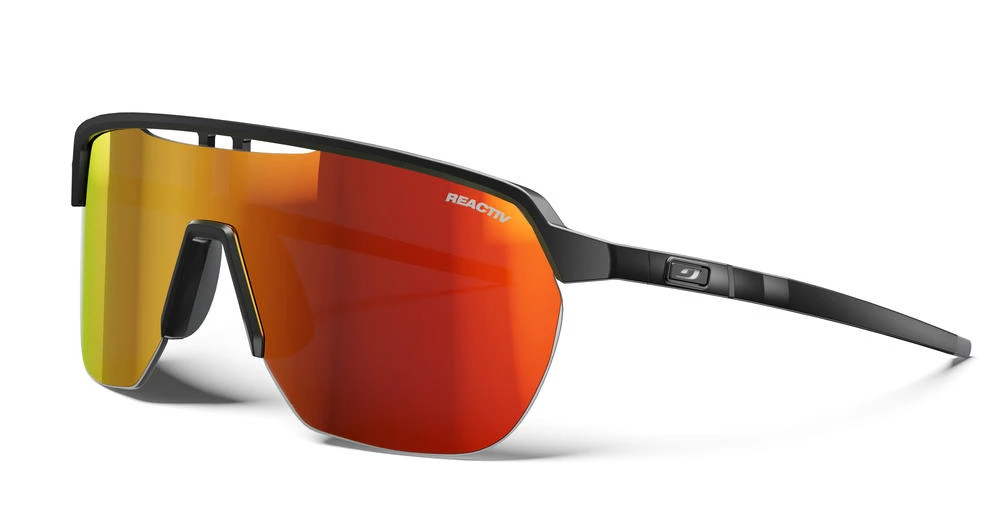
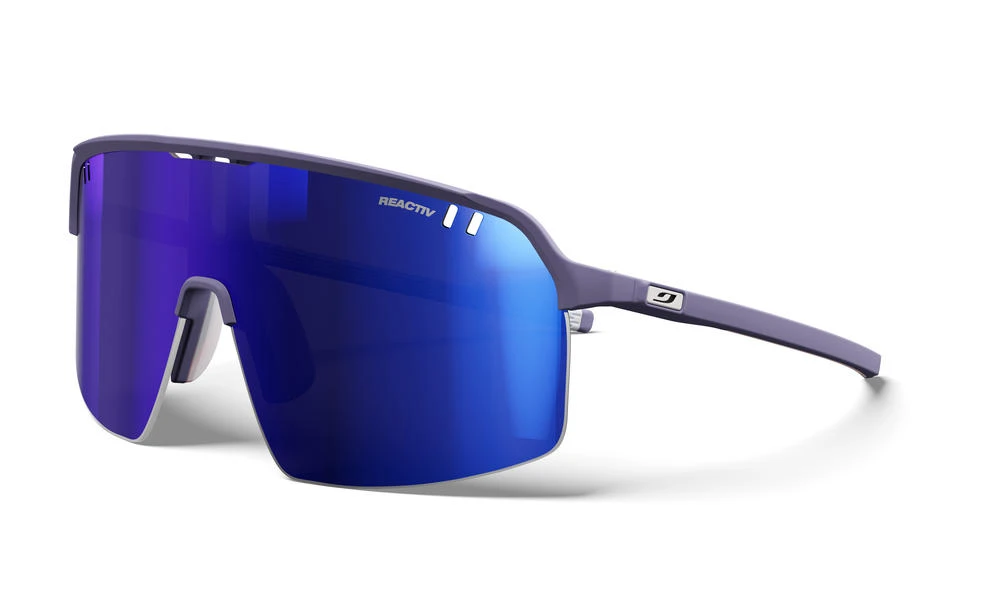
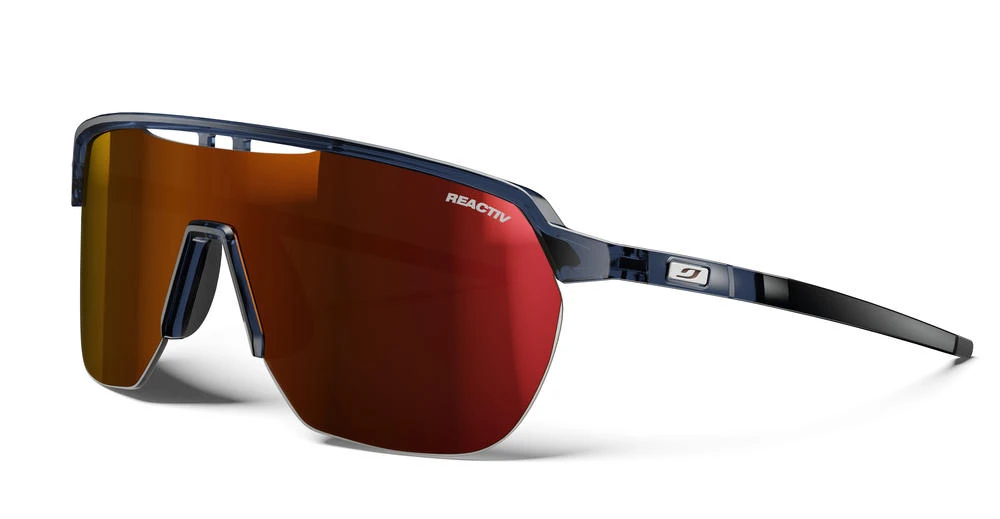
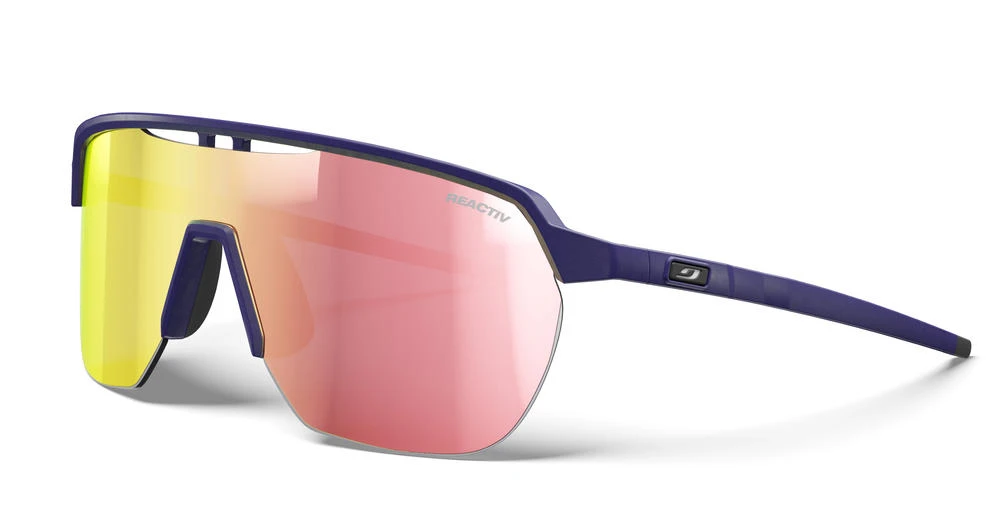
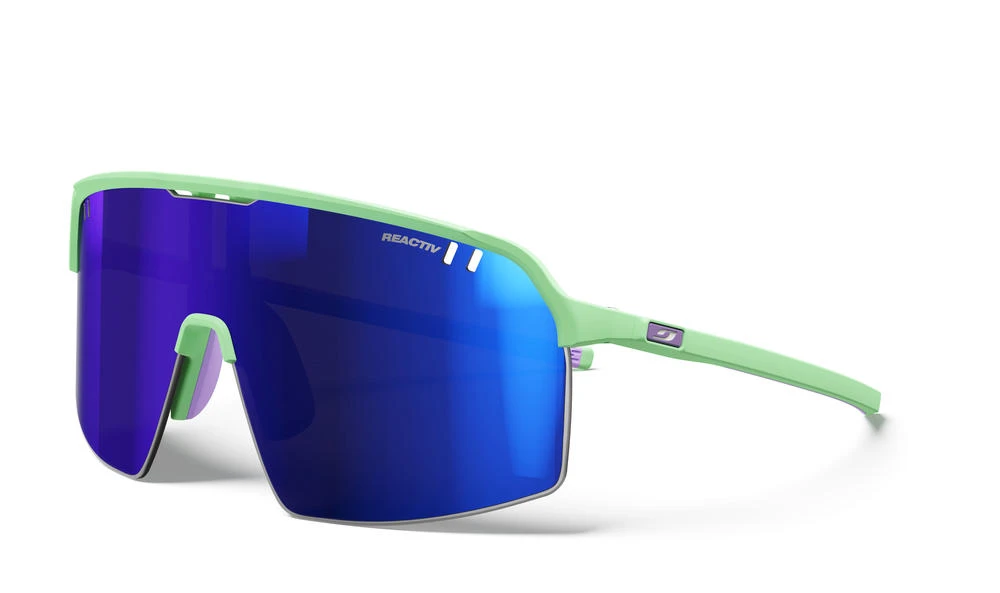
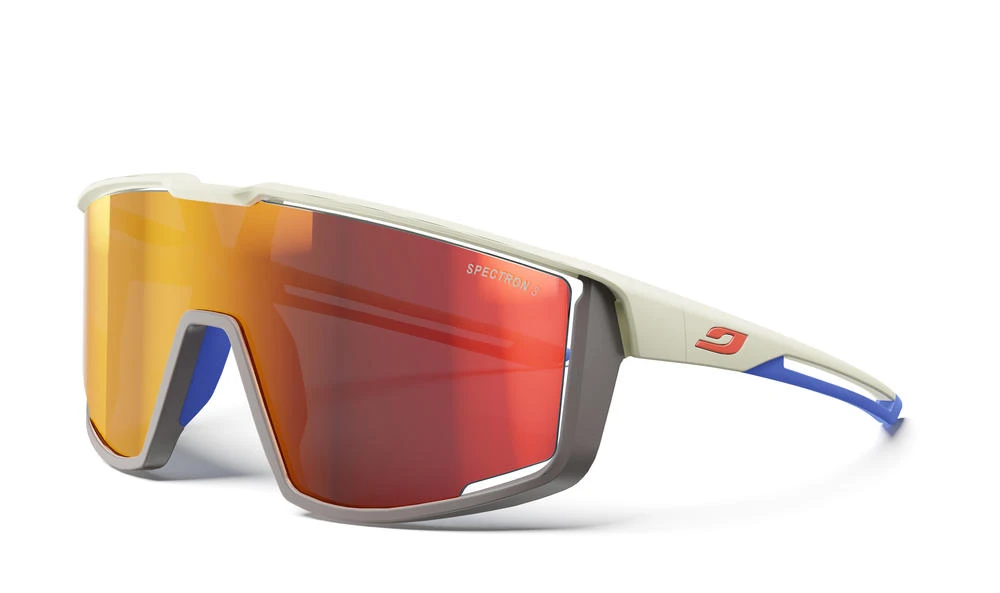
REACTIV 1-3 Light Amplifier
FREQUENCY REACTIV
Sunglasses for speed sports

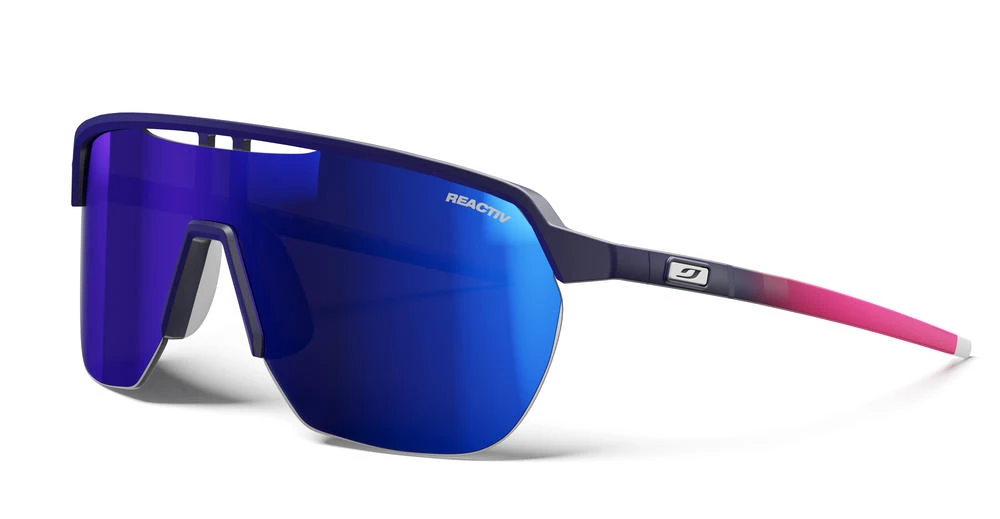
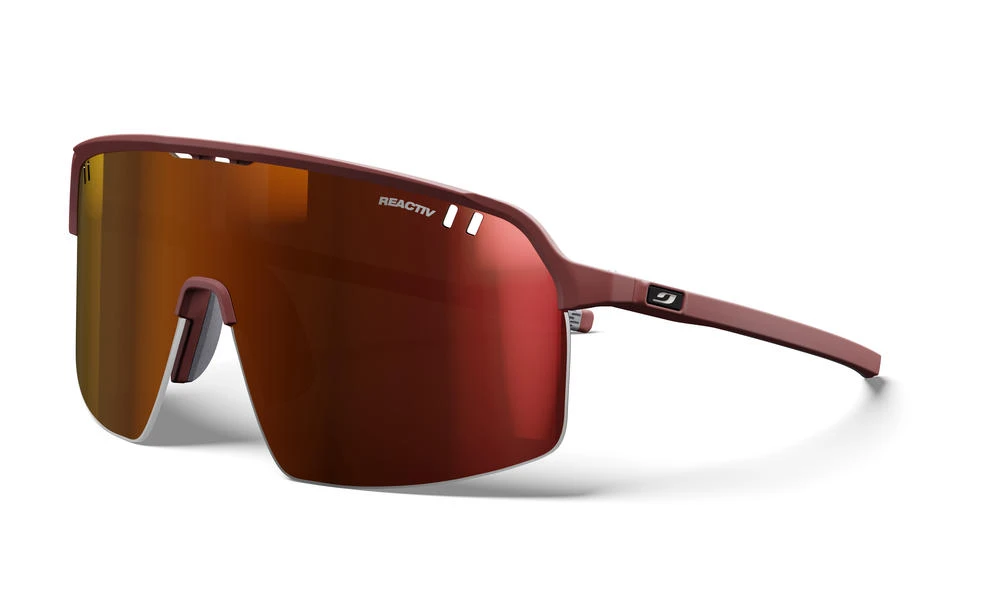
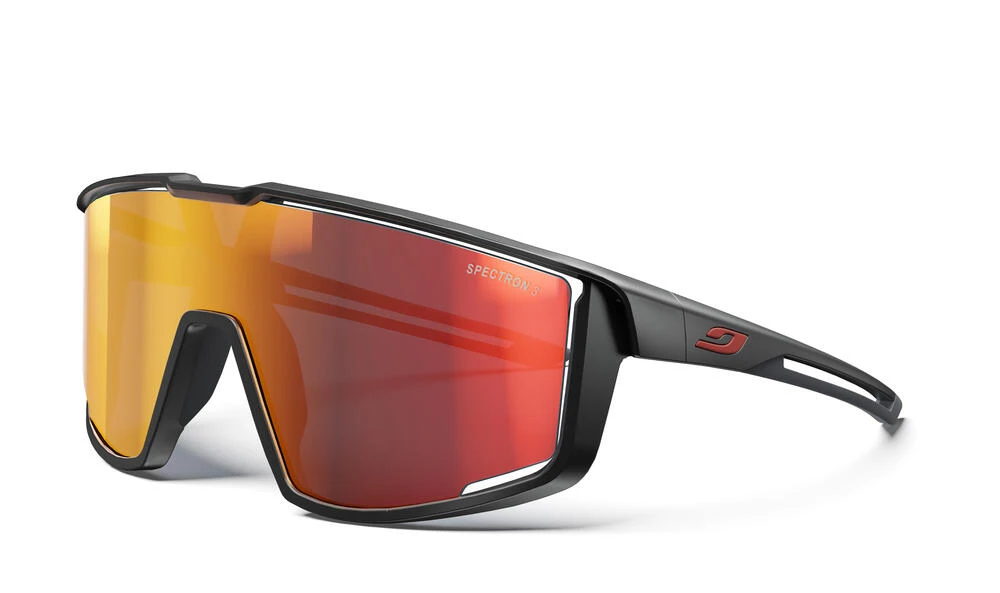
REACTIV 1-3 High Contrast
INTENSITY REACTIV
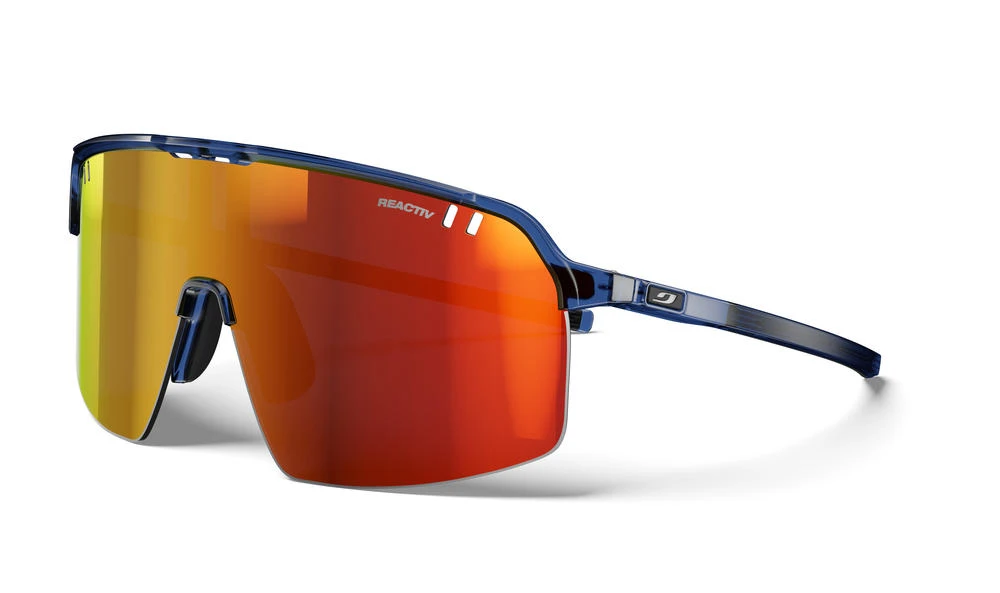
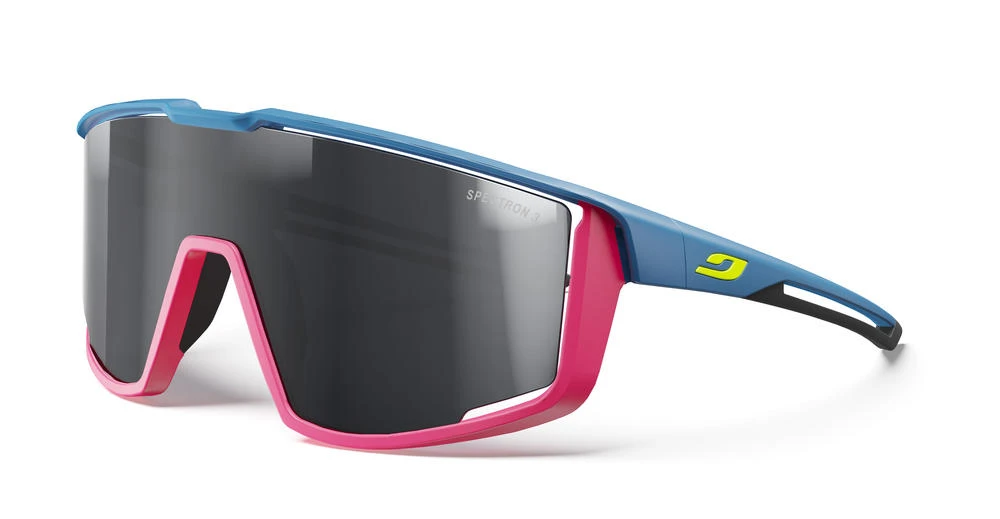
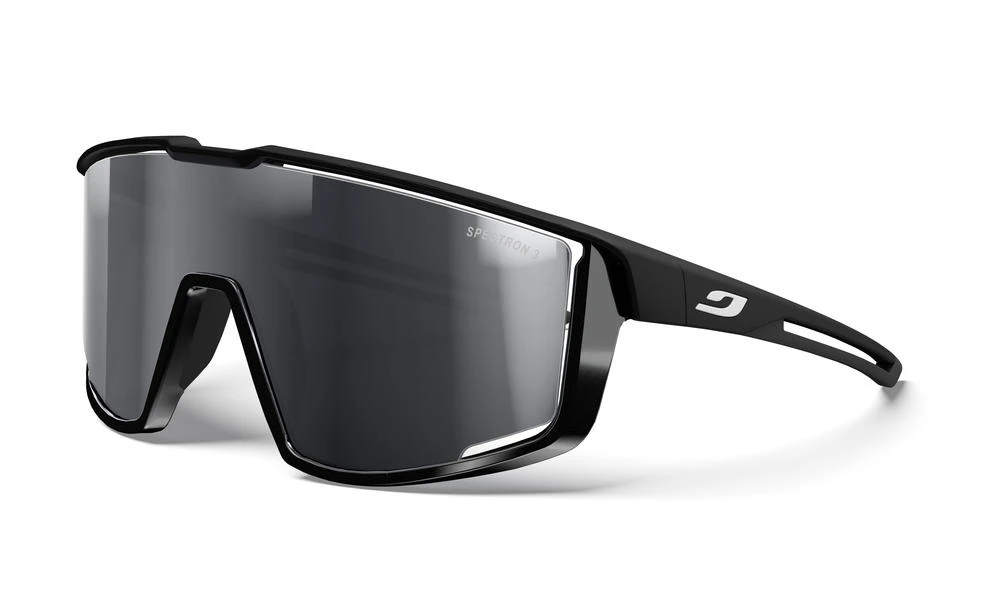
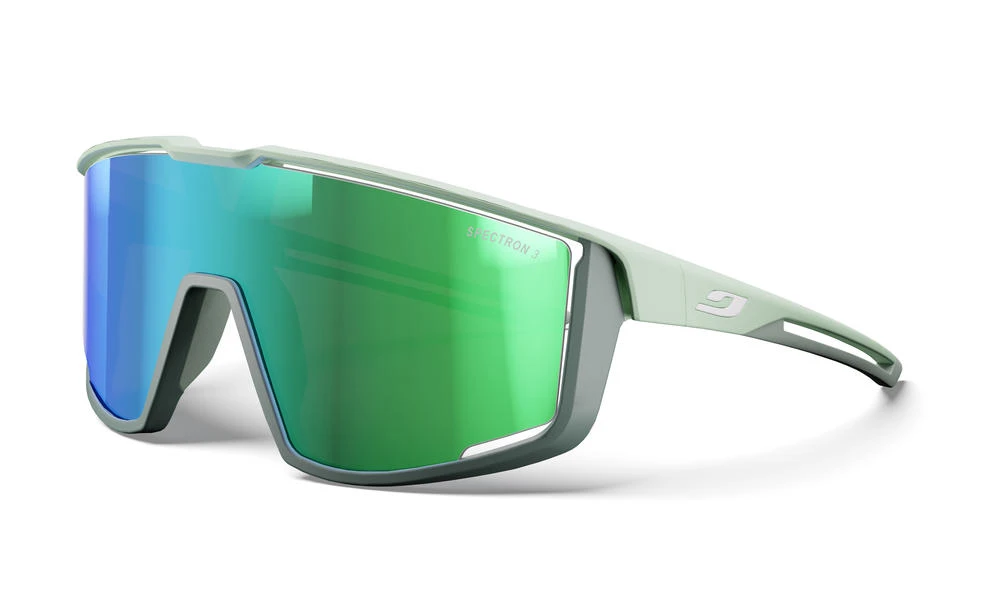
Lightweight and ventilated sunglasses with enhanced grip, perfect for cycling and trail running with high-performance lenses

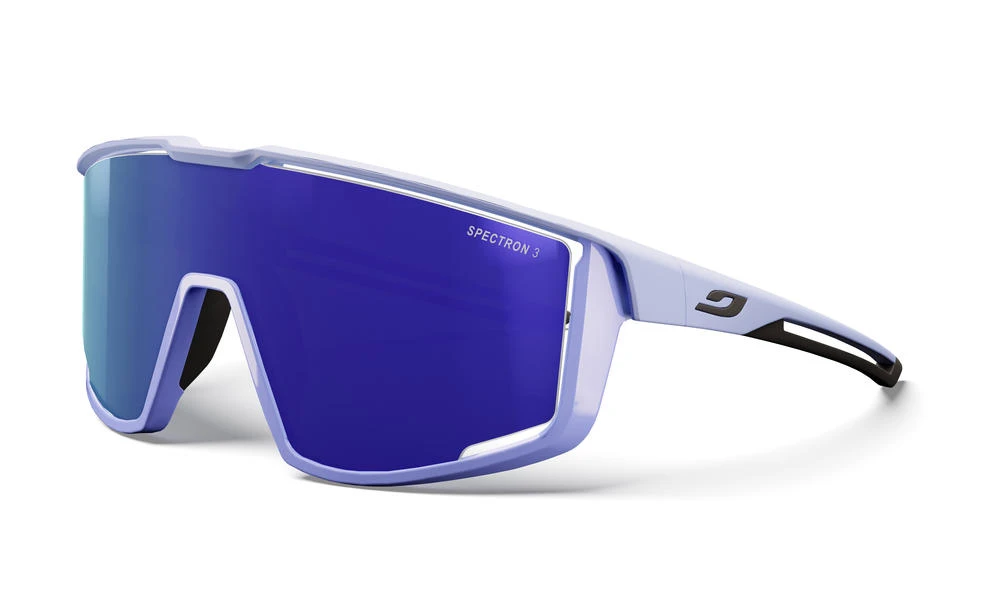
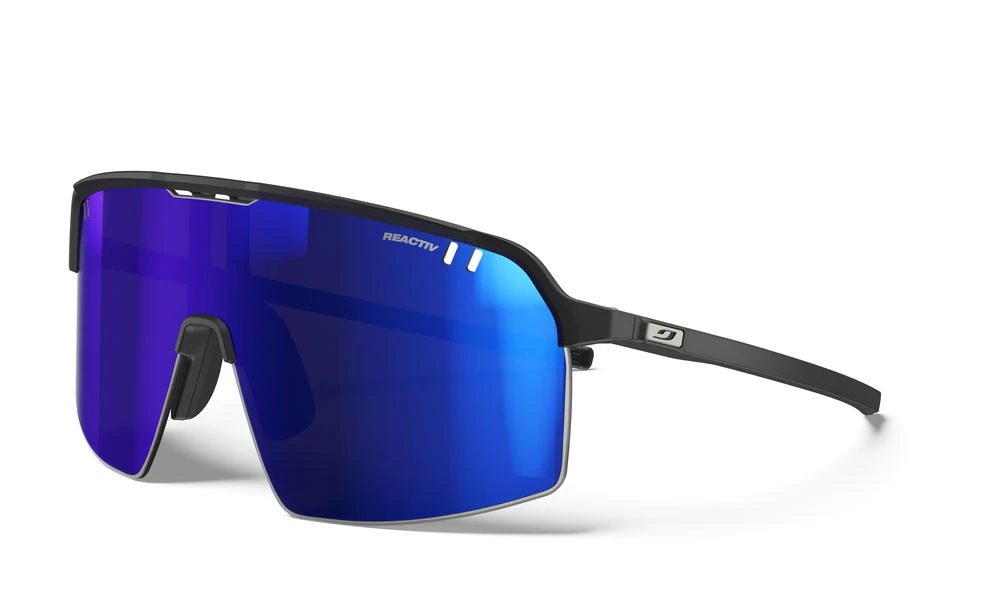
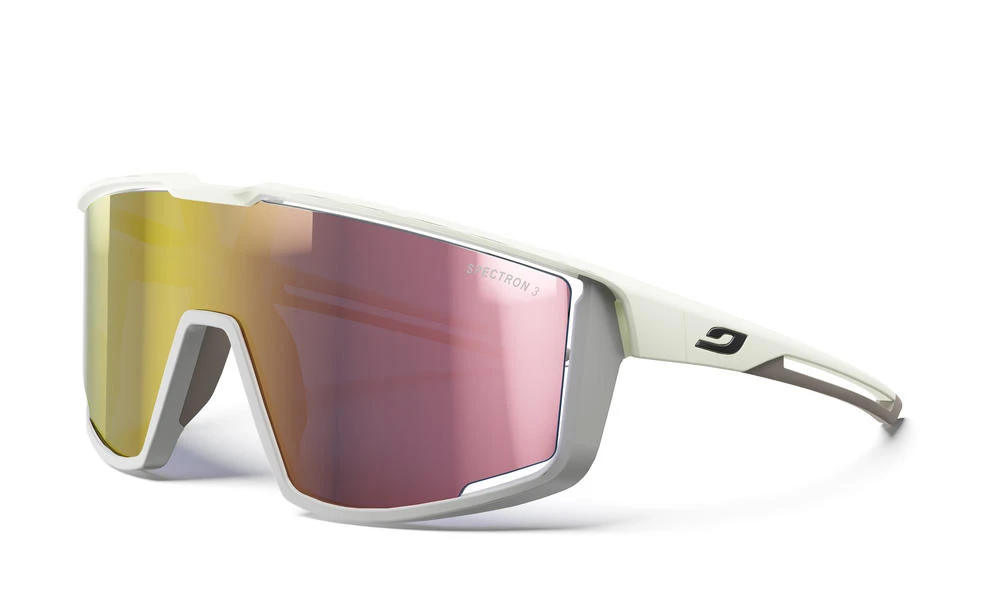
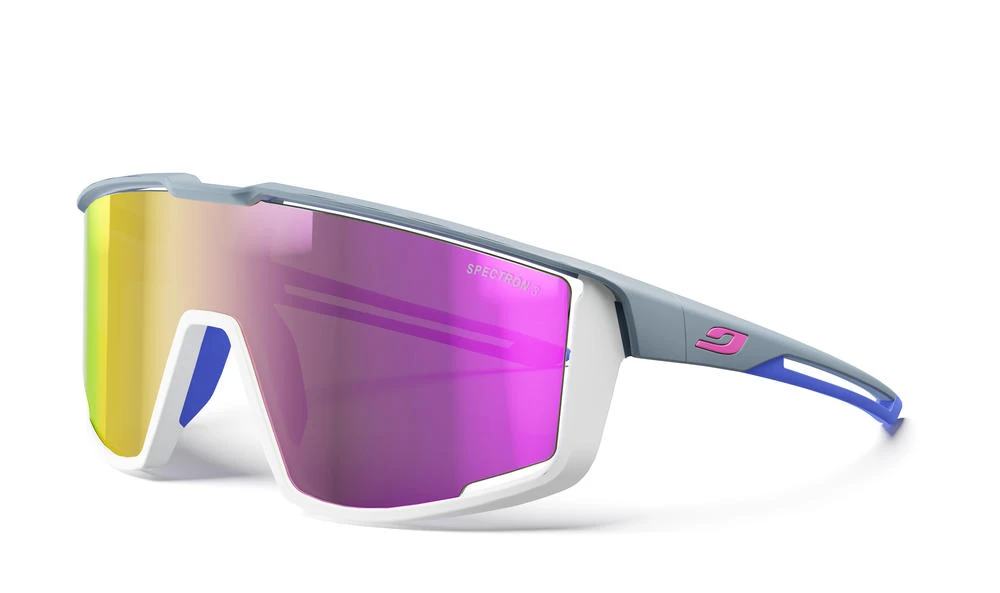
Spectron 3
FURY SPECTRON
Sunglasses for speed sports






Is bike weight a deciding factor in the Tour?
At elite level cycling, every detail can make a difference. Still, most experts agree that bike weight is just one factor among many. The rider's power output, aerodynamic position, physical condition, and pacing are all more decisive than a few hundred grams of frame weight.
Added to this is the weight of the rider’s equipment, such as the cycling helmet and polarized sunglasses, which must also strike the right balance between lightness, protection, and aerodynamic performance. More broadly, the cyclist’s entire equipment setup is designed and optimized to increase efficiency and improve performance across all types of terrain.
Grand Tour climbers, typically light themselves, gain the most from a lighter bike on the ascents. For sprinters and time trialists, it’s frame stiffness and efficient power delivery that count for more than low weight alone. This diversity is the beauty of pro cycling: there’s no single ideal bike, but a myriad of technical solutions tailored to each rider’s strengths.
One thing is certain: the drive to build the lightest possible bike has radically shaped the entire cycling industry. Innovations created for the pro peloton ultimately filter down and become available to all cyclists—from passionate amateurs to weekend riders.
Key points on Tour de France bike weight
The weight of racing bikes used in the Tour de France is governed by a simple rule: at least 6.8 kg, mandated by the Union Cycliste Internationale since 2000. In practice, professional teams reach this limit using extensive amounts of carbon fibre for frames, wheels, and other components. More than just a technical detail, this minimum weight reflects an industry in constant innovation, where every gram saved means hours of research and design.